What Strategies Do Organized People Use Daily?
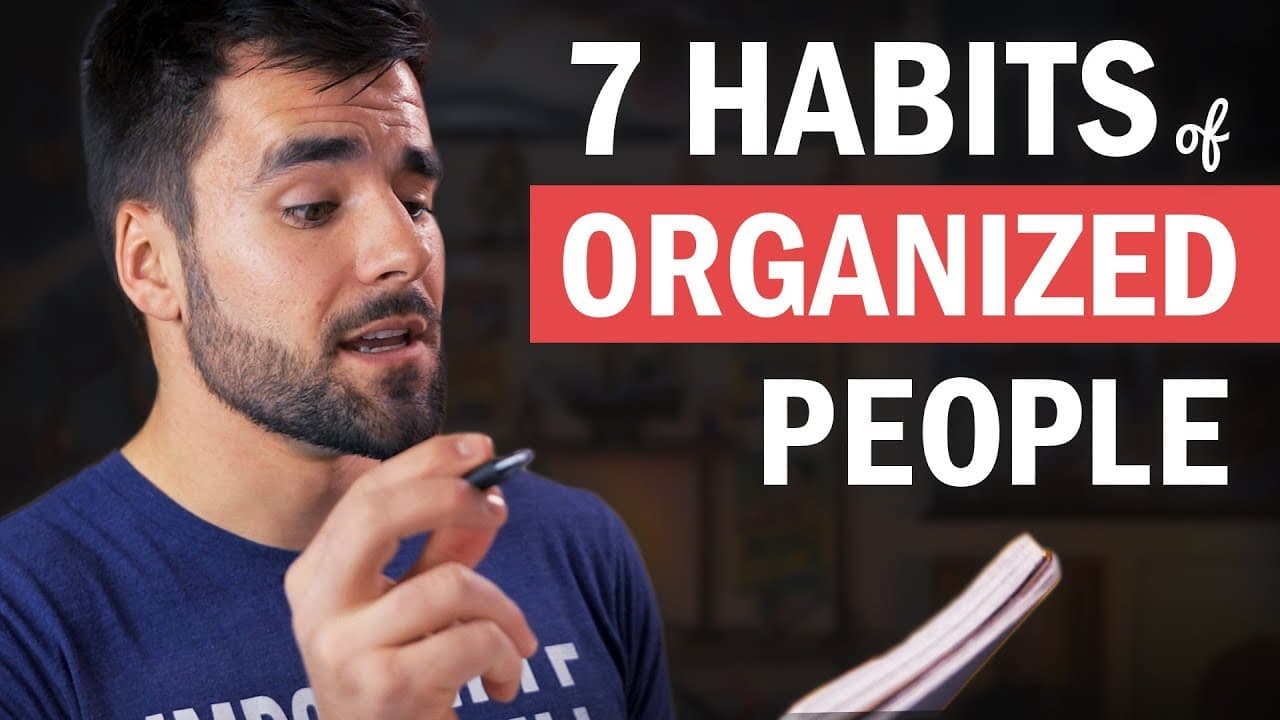
TL;DR
Organized people use reliable systems to store information instead of relying on memory, label items for easy identification, and maintain a mindfulness loop to manage dependencies. They follow the principle of having backups for essential items, set up their workspace efficiently, respect the concept of mise en place, and are deliberate about what they own and keep, ensuring everything serves a purpose.
Transcript
- Hey, what is up, guys? So I want to start off this week's video with a little story about my formative years. So back when my brother and I were kids, we were the recipients of many pieces of advice and lectures from our father and out of all those lectures, out of all the advice he gave, there are two main pieces of advice that stick out to me a... Read More
Key Insights
- 💁 Organized people rely on systems, not their memory, to store and remember information.
- 😚 Trustworthy systems for organized people are those that don't lose data and are easily accessible and searchable.
- 😒 Labeling items helps organized people remember their purpose, especially for those they don't frequently use.
- 👯 Building a mindfulness loop ensures that organized people proactively address their various dependencies in different areas of life.
- 🏃 Having backups of regularly used items prevents disruptions when things run out.
- ❓ Personalized organization methods, not relying on dogma, and constant experimentation promote effective organization.
- ♻️ Mise en place, setting up the working environment properly, helps maintain order and efficiency during tasks.
Install to Summarize YouTube Videos and Get Transcripts
Explore YouTube Video Summarizer or Get YouTube Transcript Extractor
Questions & Answers
Q: Why do organized people not rely on their brains to store information?
Organized people understand that memory is fallible and things fade with time. They put information into a system they trust, such as digital note-taking apps or cloud storage, to ensure data retention and easy accessibility.
Q: How do organized people ensure easy searchability and organization in their systems?
They make sure to use tools and apps with logical file or folder systems and usable search functions. Additionally, they establish a naming convention that makes sense to effectively find what they're looking for.
Q: What is the concept of mise en place, and why do organized people practice it?
Mise en place is a French term that means "everything in its place." Organized people respect this concept by setting up their work environment properly before starting their tasks. This ensures efficiency, reduces chaos, and avoids interruptions during work.
Q: Why do organized people deliberately choose what to own and keep?
Organized people understand the value of intentional ownership to minimize clutter and efficiently manage their time and energy. They only keep items that bring them joy or utility, preventing unnecessary maintenance and organization tasks.
Summary & Key Takeaways
-
Organized people understand the fallibility of their memory and rely on systems to store and remember information.
-
They label items, especially those they don't frequently use, to easily identify and remember their purpose.
-
Organized people maintain a mindfulness loop to constantly check on their various dependencies and take proactive action.
-
They follow the mantra "two is one, one is none" by having backups of regularly used items to prevent disruptions.
-
Organized people set up their working environment in a way that is useful and based on their own experience.
-
They respect mise en place, ensuring their workspaces are set up properly before starting a task and putting everything back after finishing.
-
Organized people are deliberate about what they own, buy, and keep, considering the value and purpose of each item.
Read in Other Languages (beta)
Share This Summary 📚
Summarize YouTube Videos and Get Video Transcripts with 1-Click
Try YouTube Summary with ChatGPT & Claude or YouTube Transcript Generator
Explore More Summaries from Thomas Frank 📚

Summarize YouTube Videos and Get Video Transcripts with 1-Click
Try YouTube Summary with ChatGPT & Claude or YouTube Transcript Generator