What Are the Four Stages of Psychological Maturity?
TL;DR
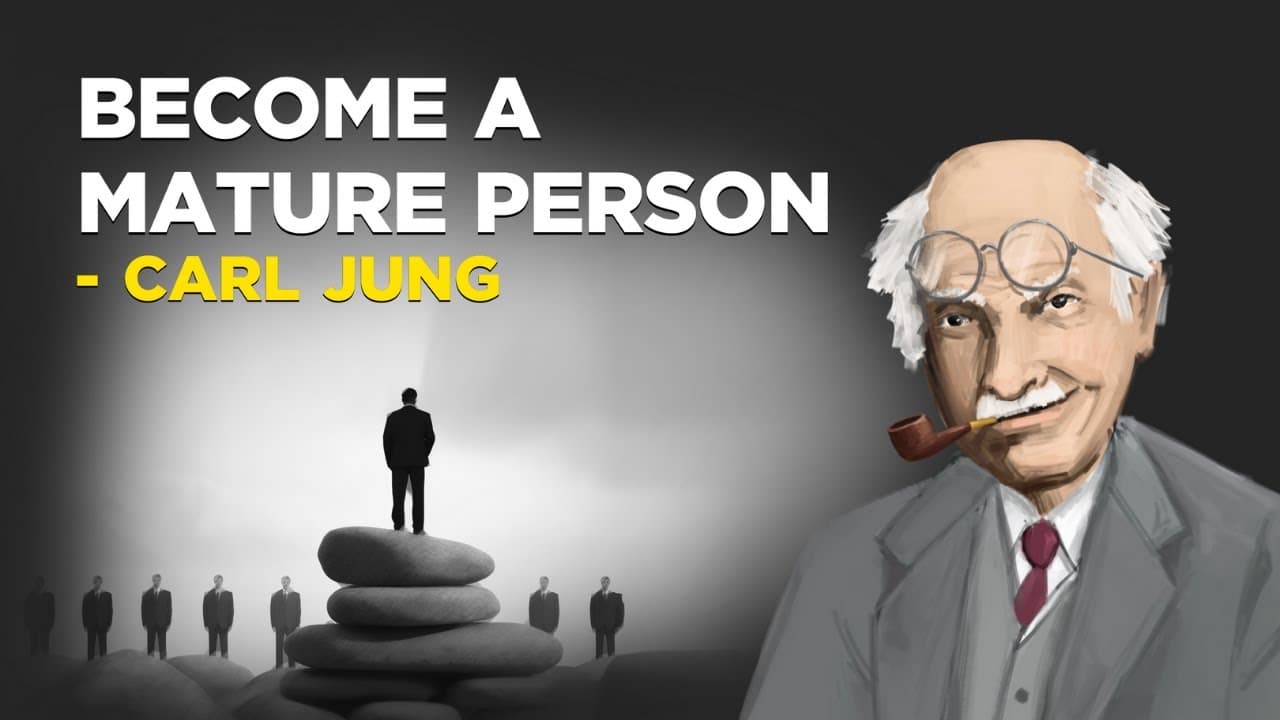
Carl Jung identified four stages of psychological maturity: Athlete, Warrior, Statement, and Spirit. Each stage represents a phase in personal development, starting with ego-centric identity formation in adolescence and progressing to self-realization and legacy-building in later life. Navigating these stages effectively is crucial for achieving a fulfilling and meaningful life.
Transcript
This video is sponsored by Morning Brew. Morning Brew is a free daily email newsletter that delivers business news in an informative and enjoyable way. We will talk more about Morning Brew a little later but for now let's get on with how to become psychologically mature from the philosophy of Carl Jung. Carl Jung is one of the founders of psychoana... Read More
Key Insights
- ❓ Carl Jung's philosophy on psychological maturity outlines the stages of Athlete, Warrior, Statement, and Spirit.
- 🤪 The Athlete stage focuses on ego development and identity formation in adolescence.
- 🏛️ The Warrior stage emphasizes career-building, personal growth, and relationship dynamics in early adulthood.
- 💋 The Statement stage marks the transition to the second half of life, focusing on familial relations and legacy-building.
- 🤳 The Spirit stage represents the sunset of life, encouraging introspection and connection with the real self.
- 🤳 Each stage contributes uniquely to the process of psychological maturity and self-awareness.
- 🥺 Understanding and navigating these stages can lead to a more fulfilling and meaningful life journey.
- 🎙️ More videos with Carl Jung:
Install to Summarize YouTube Videos and Get Transcripts
Explore YouTube Video Summarizer or Get YouTube Transcript Extractor
Questions & Answers
Q: What are the key characteristics of the Athlete stage in Jungian philosophy?
The Athlete stage focuses on ego development, identity formation, and self-absorption in teenage years. This stage marks a period of struggle for identity and physical appearance while forming individuality.
Q: How does the Warrior stage contribute to psychological maturity according to Carl Jung?
The Warrior stage signifies early adulthood focusing on career development, taking responsibility, setting goals, and improving financial status. It is a time of striving for personal growth and navigating life's challenges with courage.
Q: What is the significance of the Statement stage in Jungian philosophy?
The Statement stage highlights the transition to the second half of life, where individuals prioritize familial relationships, legacy-building, and spiritual growth over personal achievements. This stage emphasizes empathy and love over personal power.
Q: How does the Spirit stage contribute to the process of psychological maturity according to Carl Jung?
The Spirit stage represents the sunset of life, encouraging individuals to focus on introspection, transcend material possessions, and connect with their real self or spirit. It involves embracing old age, preparing for death, and understanding life's mysteries.
Summary & Key Takeaways
-
Carl Jung's philosophy on psychological maturity highlights the stages of Athlete, Warrior, Statement, and Spirit.
-
The Athlete stage focuses on ego development and identity formation during teenage years.
-
The Warrior stage emphasizes career-building, personal development, and relationship dynamics in early adulthood.
Read in Other Languages (beta)
Share This Summary 📚
Summarize YouTube Videos and Get Video Transcripts with 1-Click
Try YouTube Summary with ChatGPT & Claude or YouTube Transcript Generator
Explore More Summaries from Philosophies for Life 📚



Summarize YouTube Videos and Get Video Transcripts with 1-Click
Try YouTube Summary with ChatGPT & Claude or YouTube Transcript Generator