How to Speak Confidently on Camera When Shy
TL;DR
Confidence on camera comes from accepting the initial awkwardness and recording repeatedly in a low-pressure environment. Practice with short private videos, use simple notes, speak in small chunks, and imagine addressing one supportive person. Review older recordings, maintain a realistic schedule, and measure progress against your past performance instead of comparing your unfinished work with polished creators.
Transcript
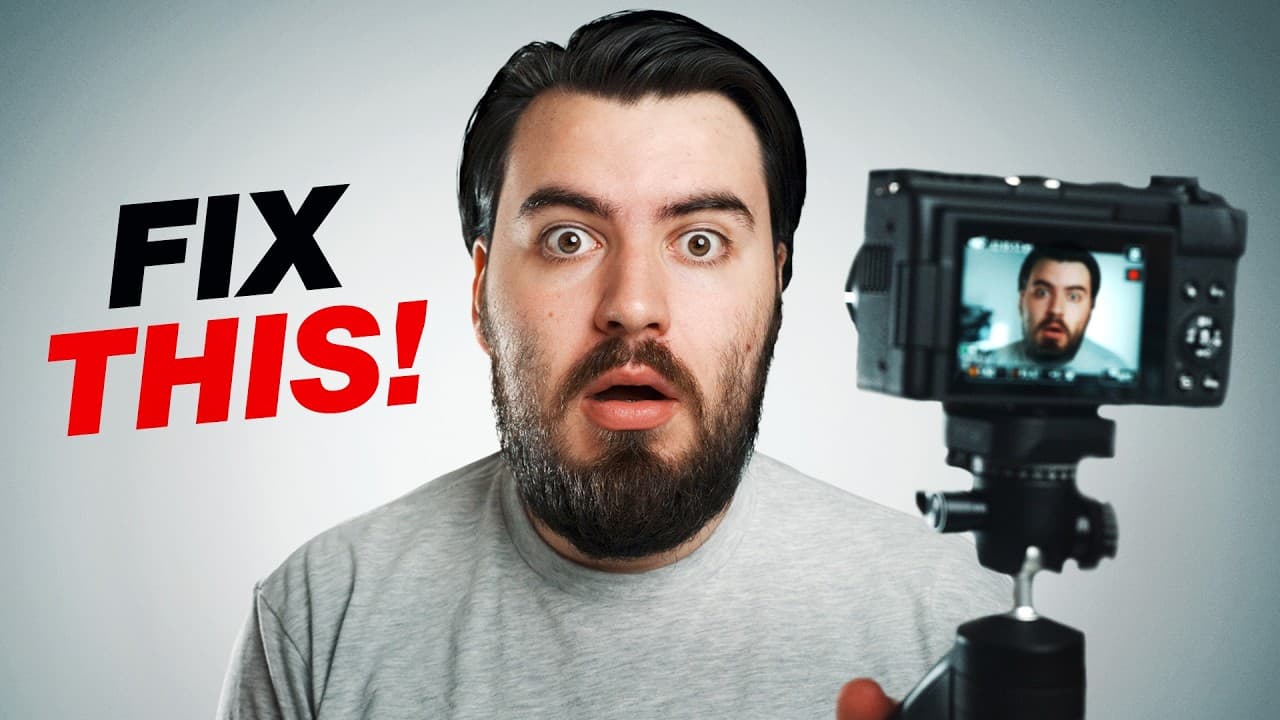
If talking to a camera feels unnatural and awkward, that's good. That means you're normal. When I first started making videos, I couldn't even look into the lens without freezing up. I was stiff, hated how I sounded, and it didn't help that I was introverted. But over the years, I picked up a few tips that have helped me get more comfortable in fro... Read More
Key Insights
- Accepting awkwardness is the first step toward camera confidence because speaking to an unresponsive lens is naturally different from talking with another person. Discomfort does not indicate a lack of ability. It is an expected part of gaining experience through repeated recording.
- Private practice is a low-pressure way to build skill before publishing. Recording videos without posting them removes the immediate concern that hundreds or thousands of people might watch or criticize the result, allowing the creator to evaluate progress and become more comfortable through repetition.
- A supportive recording environment is any space that provides enough quiet, privacy, and freedom to focus. A dedicated studio is unnecessary. Creators can reserve a shared room for an hour, ask others to remain quiet, and arrange the available space so filming feels easy and inviting.
- Simple prompts are effective tools for maintaining focus and reducing anxiety during recording. A teleprompter can display bullet points while preserving eye contact, but notes on a phone or sticky notes beside the camera can also remind the creator what to say next.
- Hydration and breaks support clearer delivery during a recording session. Keeping a bottle of water nearby can help the creator stay fresh and pronounce words clearly, while short pauses provide time to drink, recover, or think through the next point without unnecessary pressure.
- Repetition builds confidence by making camera practice function like training a muscle. Short daily videos, including brief selfie recordings on a phone, provide manageable practice. Starting small is more realistic than expecting polished delivery immediately, and comfort increases as those repetitions accumulate.
- Structured review reveals specific opportunities for improvement. Watching footage without sound highlights facial expressions, gestures, stiffness, and visual presence. Listening without the picture exposes pauses, emphasis, and monotone delivery. Reviewing both together shows how voice and body language combine to communicate confidence.
- Consistency creates evidence of progress and sharpens an on-camera persona. A realistic schedule, such as roughly one video each week, keeps attention moving toward the next project. Comparing new work with older recordings is more constructive than comparing unfinished practice with another creator's polished public work.
Install to Summarize YouTube Videos and Get Transcripts
Explore YouTube Video Summarizer or Get YouTube Transcript Extractor
Questions & Answers
Q: Why does talking to a camera feel so awkward?
Talking to a camera feels awkward because the lens provides no facial expression, verbal response, or other reaction that normally guides a conversation. It can feel like speaking into an empty void, especially for a shy or introverted beginner. The discomfort is normal, and accepting it helps remove the expectation that recording should feel natural immediately. Experience develops by continuing despite that initial unease.
Q: How can shy beginners practice speaking on camera?
Shy beginners can record short videos without publishing them. A brief selfie vlog on a phone provides useful practice without the pressure of possible criticism from hundreds or thousands of viewers. The creator can review each attempt, notice one area to improve, and repeat the exercise regularly. Nothing develops camera confidence as directly as spending time speaking on camera, so small, frequent sessions are valuable.
Q: How do you create a low-pressure filming environment?
A low-pressure filming environment begins with finding a quiet, private place where recording can happen without interruption. It does not require a dedicated studio. Someone sharing a room can reserve it for an hour, ask other people to remain quiet, and arrange the available space so recording feels inviting and easy. Reducing interruptions makes it easier to focus and enter the mindset needed for filming.
Q: Do you need a teleprompter to sound confident on camera?
A teleprompter is not required to sound confident on camera. It can display a script or bullet points while allowing the creator to maintain eye contact with the lens, which is useful for someone producing many videos each week. Beginners can achieve a similar prompting function with notes on a phone or sticky notes placed near the camera. The important purpose is remembering the next point without losing focus.
Q: How can hydration and breaks improve camera delivery?
Keeping water nearby helps a creator stay fresh and pronounce words clearly throughout a recording session. Short breaks are also acceptable and useful, whether they are used to take a sip, recover between takes, or think through the next point. A recording does not have to be delivered continuously. Pausing can reduce pressure and support a clearer, more controlled performance when filming resumes.
Q: How can you stop trying to be perfect on camera?
Creators can reduce perfectionism by prioritizing honest energy and clarity instead of an entirely polished performance. Rather than repeating a full paragraph until every word is perfect, they can divide each talking point into smaller chunks and record one or two sentences at a time. Viewers connect with understandable communication and authentic presence, so minor imperfections do not prevent a useful or engaging delivery.
Q: How should you review old videos to improve on camera?
Review old footage in three stages. First, watch it without sound to evaluate facial expressions, hand movements, stiffness, and overall visual presence. Second, listen to the audio without watching to assess pauses, vocal emphasis, and monotone delivery. Third, watch and listen together to judge how those elements combine. Videos from a month or a year earlier can provide enough distance for a more objective assessment.
Q: How does imagining one viewer improve camera confidence?
Imagining one supportive friend behind the camera turns an unresponsive lens into a more familiar conversational target. Instead of mentally addressing hundreds, thousands, or millions of viewers, the creator speaks to one specific person with a recognizable problem. Thinking about that person's situation encourages empathy, personality, and helpful explanations. It also makes delivery feel more like a real conversation and less like a public performance.
Summary & Key Takeaways
-
Talking to a camera feels unnatural because the lens provides none of the reactions available in a normal conversation. The first step is accepting that discomfort instead of treating it as failure. Recording private practice videos removes publishing pressure and creates the repetition needed to make speaking on camera feel increasingly familiar and natural.
-
A quiet, inviting recording space can reduce pressure, even when no dedicated studio is available. Reserving a room for a specific period, keeping water nearby, taking breaks, and placing bullet points on a teleprompter, phone, or sticky notes can make filming easier while supporting clear delivery and steady eye contact.
-
Improvement comes from short daily recordings, manageable speaking chunks, objective review, and a realistic upload schedule. Watching old footage silently reveals visual communication, while listening without pictures exposes vocal pacing and emphasis. Creators should imagine one supportive viewer, value authenticity over perfection, and compare current work with their own earlier performance.
Read in Other Languages (beta)
Share This Summary 📚
Summarize YouTube Videos and Get Video Transcripts with 1-Click
Try YouTube Summary with ChatGPT & Claude or YouTube Transcript Generator
Explore More Summaries from Think Media 📚

Summarize YouTube Videos and Get Video Transcripts with 1-Click
Try YouTube Summary with ChatGPT & Claude or YouTube Transcript Generator