How to Overcome the Freeze Response and Take Action
TL;DR
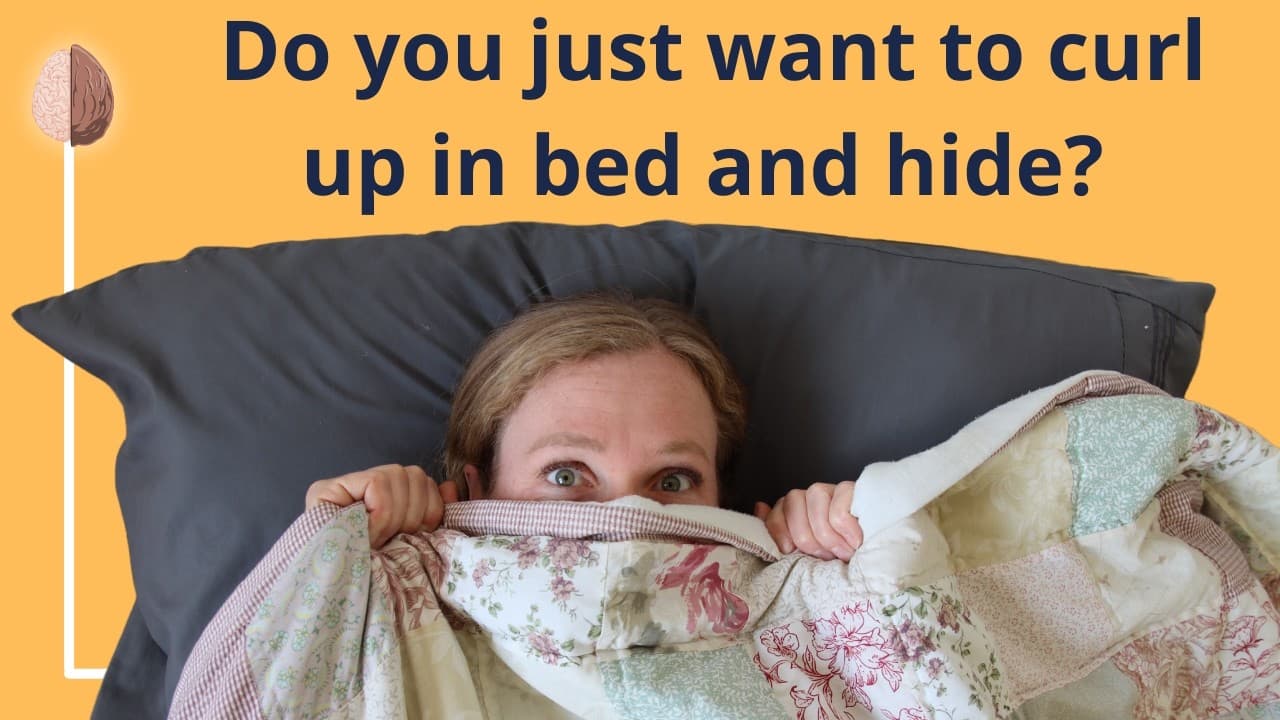
Toxic stress comes from inaction, not from having too much to do. When overwhelmed, the brain freezes, shutting down and numbing out, which dysregulates the nervous system and deepens anxiety and depression. Small, purposeful actions, especially serving others, restore flow, re-engage the brain, and turn stress into healthy, connected engagement.
Transcript
Here's my unpopular opinion for the day. Toxic stress isn't caused by having too much to do. It's caused by inaction. Stick with me here. It's easy to feel like the world is going to hell in a hand basket. It can seem super overwhelming to see the suffering caused by injustice or corruption or war or maybe you just feel overwhelmed by problems ... Read More
Key Insights
- Toxic stress is caused by inaction rather than by having too much to do. When overwhelmed by injustice, war, or problems at home or work, the brain can freeze, and staying stuck there is what makes stress toxic.
- The freeze response is part of the built-in fight, flight, freeze survival system. In modern life it shows up as shutdown, avoidance, or numbness, such as rewatching shows or scrolling for dog videos, which feels comforting short-term.
- Inaction sends a message to the brain that you are not safe, and the body listens. The longer you stay frozen, the more dysregulated your nervous system becomes, like a dammed river turning into cloudy, stagnant water.
- Toxic stress is neurological, not just psychological. Suppressing the drive to act too long makes the nervous system interpret the situation as hopeless, increasing cortisol, disrupting sleep, weakening immunity, and worsening anxiety or depression.
- Taking small, imperfect action re-engages the prefrontal cortex for planning and logic, signals the limbic system that you are okay and capable, and physical movement activates the ventral vagus nerve responsible for safety and connection.
- Behavioral activation, taking small steps like walking, getting dressed, journaling, or making a procrastinated appointment, is one of the most impactful treatments for depression. It restores flow and a sense of control even when it does not solve the problem.
- Helping others shifts the nervous system out of freeze into activation. It boosts dopamine for motivation and increases oxytocin, which calms the system and builds connection, producing a euphoric feeling called the helper's high.
- A 2010 meta-analysis found people who volunteer regularly report higher well-being and lower depression, especially when motivation is genuine and tied to a cause that matters to them. Purpose metabolizes discomfort into joy.
Install to Summarize YouTube Videos and Get Transcripts
Explore YouTube Video Summarizer or Get YouTube Transcript Extractor
Questions & Answers
Q: What actually causes toxic stress?
According to the video, toxic stress is not caused by having too much to do but by inaction. Stress is a healthy physiological response meant to prime you to take action and solve a problem. When you suppress that drive too long by staying in a freeze response, your nervous system interprets the situation as hopeless. That is what makes stress toxic, increasing cortisol, disrupting sleep, weakening your immune system, and making you more anxious or depressed.
Q: What is the freeze response and why does it happen?
The freeze response is part of our built-in fight, flight, freeze survival system that helps us survive real danger. When we are overwhelmed by stress or trauma, even another person's pain, the brain can go into freeze. In modern life this shows up as shutdown, avoidance, or numbness, such as watching the same show repeatedly or scrolling social media. Inaction feels comforting for a while, but the longer you stay stuck, the more dysregulated your nervous system becomes.
Q: How does taking action help the nervous system?
Taking even small, imperfect, messy action creates movement in the nervous system. Action re-engages the prefrontal cortex, the part of the brain that helps with planning, logic, and decision-making, and sends a signal to the limbic system saying you are okay and capable. Literal physical movement activates the ventral vagus nerve, which is responsible for feelings of safety and connection. These actions do not erase suffering but they restore flow and tell your nervous system that you can move and have control.
Q: What is behavioral activation?
Behavioral activation is the technical term for taking small steps to shift out of the freeze response, and the video says it is one of the most impactful treatments for depression. Examples include going for a walk, getting dressed, writing a journal entry, saying one kind thing to yourself, making a doctor's appointment you have been procrastinating, or helping someone else. These actions are most impactful when they take even a small step toward solving the problem, restoring a sense of movement and control.
Q: Why is helping others good for mental health?
Taking meaningful action to help others literally shifts your nervous system out of freeze into activation mode. It boosts dopamine, which helps with motivation and energy, and helping others can increase oxytocin, which calms the nervous system and increases connection. This euphoric feeling is sometimes called the helper's high. The speaker notes that when clients with severe depression or anxiety start serving someone else purposefully, the light comes back in their eyes, because service is purposeful, not because it is easy.
Q: What does the research say about volunteering and well-being?
Science shows that even small altruistic actions like volunteering, donating, or doing small acts of kindness can increase positive emotions. A 2010 meta-analysis found that people who volunteer regularly report higher well-being and lower depression, especially when their motivation is genuine, meaning they are serving a cause that matters to them or working on a problem they care about. The research also shows face-to-face acts of service and kindness are especially good at lowering loneliness and isolation.
Q: How much service do you need to do to see a difference?
The video says small things truly add up and warns against frantically trying to fix everything, which is a recipe for burnout. It suggests that 15 minutes of service a day or one hour of service a week can make a big difference in your life. The speaker recommends finding a cause that speaks to you and giving yourself a budget for the time, energy, or money you can give, for example volunteering 15 minutes a day or one hour a week and donating about $20 a month.
Q: What if my effort feels too small to matter?
The video acknowledges the inner voice that whispers your actions will not make a difference and that you lack the time, energy, or money to make a dent. It frames these as self-protective voices that keep us stuck in freeze. The speaker quotes Margaret Mead: never doubt that a small group of thoughtful, committed citizens can change the world; indeed it is the only thing that ever has. The most impactful service is often closest to home, in your neighborhood, and in your city, and small acts ripple outward.
Summary & Key Takeaways
-
Toxic stress is not caused by having too much to do but by inaction. When overwhelmed by the world's suffering or personal problems, the brain defaults to a freeze response, shutting down and numbing out, which feels comforting briefly but dysregulates the nervous system over time.
-
Staying frozen signals the brain that you are unsafe, raising cortisol, disrupting sleep, weakening immunity, and deepening anxiety and depression. Stress is meant to prime action; suppressing that drive makes the nervous system read the situation as hopeless, which is what makes stress toxic.
-
Small, purposeful actions, especially service to others, restore flow by re-engaging the prefrontal cortex, calming the limbic system, and activating the vagus nerve. Helping boosts dopamine and oxytocin, lowers loneliness, and brings purpose. Consistent small local acts aligned with your values can change the world.
Read in Other Languages (beta)
Share This Summary 📚
Summarize YouTube Videos and Get Video Transcripts with 1-Click
Try YouTube Summary with ChatGPT & Claude or YouTube Transcript Generator
Explore More Summaries from Therapy in a Nutshell 📚
Summarize YouTube Videos and Get Video Transcripts with 1-Click
Try YouTube Summary with ChatGPT & Claude or YouTube Transcript Generator