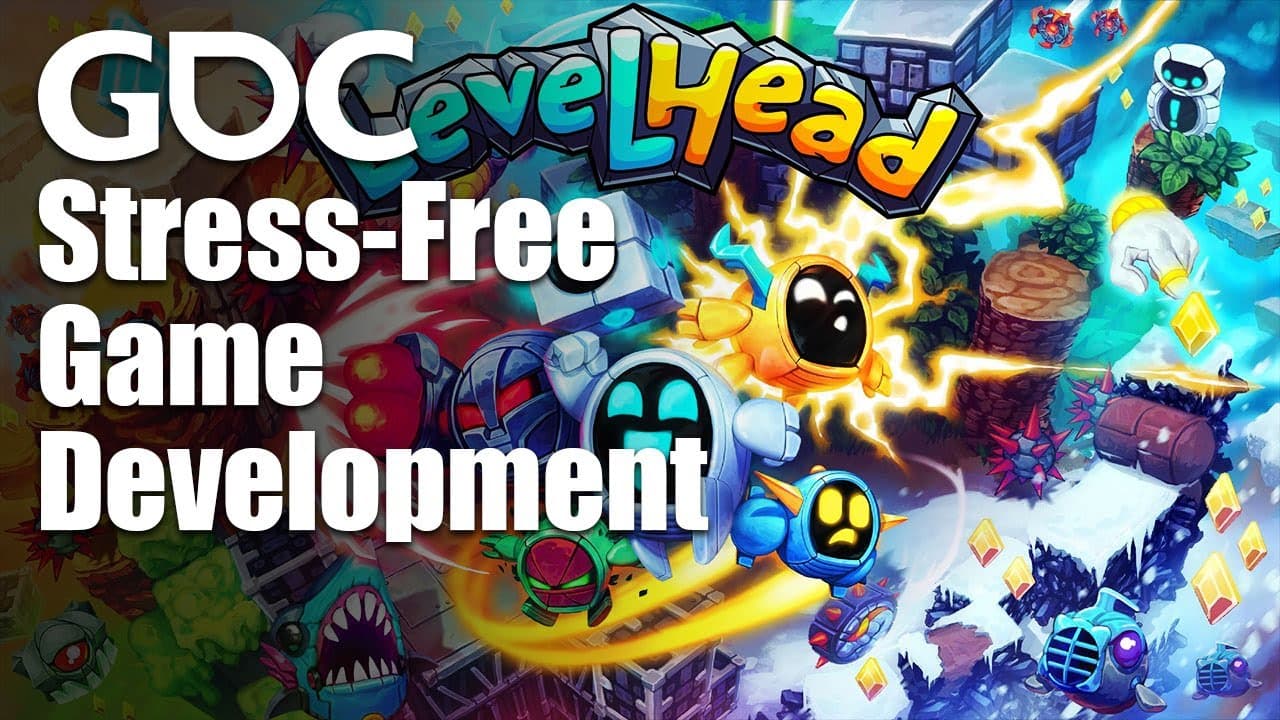
How Can DevOps Reduce Game Development Stress?
TL;DR
Game studios can reduce stress by replacing ad hoc production with repeatable processes that expose bottlenecks, shorten feedback loops, and support frequent testing and deployment. But automation must improve the whole workflow, not merely accelerate one stage, because optimizing art export and import alone created more unfinished work and increased pressure on the programmer.
Transcript
game-development sucks it's hard and it's stressful our industry is notorious for queuing people up and spitting them out as burnt-out husks so much so that those of us who've been around for a while are called veterans as if we've been at war do you know what they call experienced people in other industries experts are we experts at what we do wha... Read More
Key Insights
- Crashlands entered closed beta with serious hidden quality problems despite the studio believing it was ready to ship. A group of 150 players generated more than 2,200 unique bug reports involving broken quests, crashes, missing recipes, deleted saves, and other failures.
- Crunch produced short-term fixes but also contributed to later defects. The team worked 60 hours during the beta's first three days and slept very little before launch, then encountered new bugs that had been introduced during that sleep-deprived effort.
- A successful launch multiplied the studio's operational burden. About 100,000 players arrived across Steam, the App Store, and Google Play during the first week, exposing both unresolved beta issues and previously unknown problems that demanded another prolonged period of emergency repairs.
- Infrequent releases made deployment knowledge and infrastructure decay. After spending months creating new features, the team discovered that its builds no longer worked, forcing members to update software development kits, test builds, and reconstruct the release process before shipping the patch.
- Hiring more people did not fix the absence of production systems. Scaling from three employees to seven made integration difficult because work remained ad hoc, founders lacked time to create onboarding or training structures, and new contributors struggled to find dependable ways to help.
- The studio's core art bottleneck was implementation capacity, not file transfer speed. Artists could produce assets faster than the sole game programmer could integrate them, so completed artwork accumulated unused while both the art team and programmer became increasingly frustrated and stressed.
- Automation can worsen a workflow when it accelerates activity upstream of a constraint. Ink Bot imported hundreds of assets in seconds and automated artist exports, but faster creation enlarged the backlog because the programmer's ability to implement those assets did not increase.
- Levelhead revealed that the studio was repeating its earlier development pattern. After roughly a year of hard work and brute force, the team recognized that limited active testing would likely produce another bug-filled, expensive, and stressful launch unless its working methods changed.
Install to Summarize YouTube Videos and Get Transcripts
Explore YouTube Video Summarizer or Get YouTube Transcript Extractor
Questions & Answers
Q: How can DevOps reduce stress in game development?
DevOps can reduce game-development stress by replacing improvised work with coherent processes for testing, production, deployment, and feedback. The studio's experience showed that long gaps between releases, inactive testing, and unclear workflows created fragile builds and recurring emergencies. The intended goal is a studio that can release substantial patches or content updates without overtime, panic, repeated heroics, or prolonged post-launch repair work.
Q: Why did the Crashlands closed beta create a crisis?
The developers believed Crashlands was ready to ship and expected the closed beta to reveal only rough edges. Instead, 150 enrolled players submitted more than 2,200 unique bug reports, including crashes, broken quests, missing recipes, and deleted saves. Because launch was only eight weeks away, the team responded with extreme hours, including 60 hours during the first three days, and continued crunching for nearly two months.
Q: What happened after Crashlands launched?
Crashlands was well received and attracted about 100,000 players across Steam, the App Store, and Google Play during its first week. That audience generated another major wave of reports covering unresolved beta problems, previously unknown defects, and bugs introduced during the sleep-deprived run toward release. The developers then spent roughly two months repairing the game instead of celebrating the launch or producing new content.
Q: Why were Crashlands content updates so difficult to release?
Content updates were difficult because releases happened infrequently and the supporting build systems were not kept ready. After working on features for several months, the developers found that none of their builds worked, so they had to update software development kits and test builds before releasing anything. Each patch then triggered more reports and crunch, contributing to a total of only two content patches during 2016.
Q: Why did hiring more developers fail to solve the studio's problems?
Increasing the team from three people to seven did not address the underlying lack of repeatable processes. Most studio activity was ad hoc, while the three founders were handling too many responsibilities to establish clear onboarding or training. New employees wanted to contribute but could not easily enter the studio's shifting workflows. Their additional output could therefore intensify bottlenecks instead of increasing the delivery of finished game content.
Q: What bottleneck limited the studio's art production workflow?
The limiting step was the sole game programmer's capacity to implement artwork, not the artists' ability to create it or the time required to move files. The art team produced more assets than the programmer could place into the game while also developing game systems. As unused work accumulated, the artists became demoralized and the programmer became more stressed, showing that local productivity did not equal completed production.
Q: Why did Ink Bot make the art backlog larger?
Ink Bot automated asset exporting and allowed the programmer to import hundreds of new or updated assets in seconds instead of importing individual files every few minutes. However, the same standardization also allowed artists to create and export assets faster. Because the programmer's implementation capacity remained unchanged, production upstream accelerated while the constraint did not, resulting in an even larger pile of unused artwork.
Q: Why did the studio reconsider its process while developing Levelhead?
After reducing the team from seven people to four and abandoning an unwieldy project, the studio began Levelhead. About a year of hard work and brute force brought the game close enough to consider launch, but the developers recognized the same warning signs seen during Crashlands. Active testing was insufficient, bugs were probably accumulating, and launching and maintaining the game appeared likely to require another costly cycle of crunch and panic.
Summary & Key Takeaways
-
Butterscotch Shenanigans entered a closed beta for Crashlands believing the game was nearly ready, but 150 testers submitted more than 2,200 unique bug reports. With eight weeks before launch, the three-person studio responded through crunch, including 60 hours during the beta's first three days, yet still shipped with unresolved problems.
-
Crashlands reached about 100,000 players across Steam, the App Store, and Google Play during its first week. The larger audience uncovered old, new, and crunch-induced bugs, forcing another extended repair effort. Later content patches repeated the same pattern because builds deteriorated between releases and testing remained insufficient, resulting in only two content patches during 2016.
-
Expanding the studio from three people to seven did not solve its production problems because processes, onboarding, and training were largely absent. Automation then accelerated art creation and importing without increasing implementation capacity, enlarging the unfinished asset backlog. After reducing the team to four, the studio recognized that Levelhead required a fundamentally different workflow.
Read in Other Languages (beta)
Share This Summary 📚
Summarize YouTube Videos and Get Video Transcripts with 1-Click
Try YouTube Summary with ChatGPT & Claude or YouTube Transcript Generator
Explore More Summaries from GDC Festival of Gaming 📚



Summarize YouTube Videos and Get Video Transcripts with 1-Click
Try YouTube Summary with ChatGPT & Claude or YouTube Transcript Generator