How to Understand Yourself and Find Happiness
TL;DR
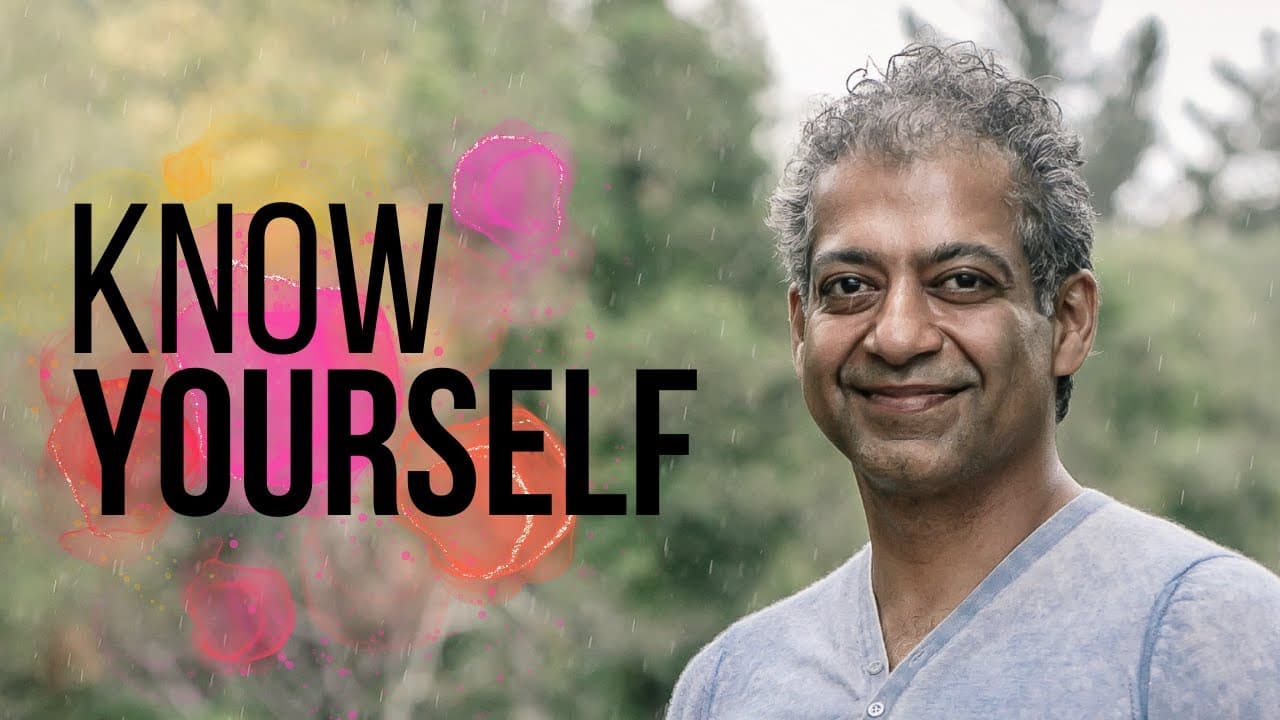
True success is internal, and lasting happiness comes from peace rather than material achievement or momentary pleasure. Naval argues that peace grows through self-understanding, reduced desire, less judgment, and careful awareness of emotional reactions. Happiness can be developed like a skill through meditation, exercise, positive interpretation, stable habits, and deliberate practice.
Transcript
confucius says that you have two lives and the second one begins when you realize you only have one when and how did your second life begin it's a very deep question i think uh most people who are past a certain age have had this feeling or phenomenon where they've gone through most of life a certain way and then gotten to a certain... Read More
Key Insights
- Material success is subject to hedonic adaptation, so achievements can quickly become familiar and lose their emotional impact. Naval reached this conclusion after gaining the social and material outcomes he had pursued and noticing that people with similar success often did not appear happy.
- Real success is internal because external circumstances cannot reliably produce lasting happiness. Naval believes people may still need to pursue external goals because they are biologically driven to do so, but lived experience can eventually return their attention to inner development.
- Worldly success can obstruct self-knowledge by strengthening the ego and increasing fear of losing status or possessions. It can also deepen concern about other people's opinions and reinforce attachment to an imagined identity, making honest self-examination more difficult.
- True happiness is the absence of suffering rather than a sequence of pleasurable experiences. Physical enjoyment and the pleasure of feeling loved are temporary, while deeper happiness arises from peace, self-understanding, and recognition of unnecessary desires and self-inflicted emotional pain.
- Judgment creates separation because repeatedly labeling situations, people, and oneself as good or bad encourages disconnection. Naval connects that disconnection with loneliness and suffering, while resistance to reality gives the ego another mechanism for sustaining unhappiness.
- Acceptance reduces resistance by allowing a person to say yes to what happens instead of immediately fighting, judging, or demanding a different outcome. This approach is difficult because ordinary life trains people to struggle for preferences and react quickly to unwanted circumstances.
- Happiness is a skill that can be developed through deliberate prioritization and repeated practice. Naval compares it with building muscle, losing weight, succeeding at work, or learning calculus because improvement begins with deciding that the goal matters and consistently working toward it.
- Practical happiness habits include meditation, positive reinterpretation, sunlight, smiling, daily exercise, questioning desires, and dropping caffeine. Naval says these small practices can gradually raise ordinary happiness, although he explicitly notes that they are not sufficient to resolve severe depression.
Install to Summarize YouTube Videos and Get Transcripts
Explore YouTube Video Summarizer or Get YouTube Transcript Extractor
Questions & Answers
Q: How can material success affect lasting happiness?
Material success can provide desired outcomes without producing durable happiness because people may quickly adapt to improved circumstances. Naval describes achieving enough social and material success that it stopped mattering as much, then noticing that similarly successful people were not necessarily happy. That experience pushed him toward the conclusion that lasting fulfillment depends more on internal development than continued external accumulation.
Q: Why can worldly success make self-understanding harder?
Worldly success can make self-understanding harder by building the ego and increasing attachment to status, possessions, reputation, and identity. Naval says greater success may create more fear of losing what has been gained and more concern about what other people think. These pressures can pull attention away from honest self-examination and deeper understanding of one's reactions, desires, and attachments.
Q: What is the difference between pleasure and true happiness?
Pleasure is a temporary positive experience, such as enjoying food or feeling pleased that another person loves you. Naval argues that true happiness is not merely an accumulation of such moments. He connects deeper happiness with peace and describes it as the absence of suffering, reached by understanding oneself and reducing unnecessary desire, judgment, attachment, resistance, and emotional reactivity.
Q: How does self-knowledge contribute to inner peace?
Self-knowledge contributes to peace by revealing how much suffering comes from personal desires, attachments, judgments, and emotional reactions. Naval recommends looking inward to understand how the mind operates and to identify concerns that do not deserve so much importance. Once a person recognizes that a particular outcome is not truly necessary, the demand for reality to conform to that preference can weaken.
Q: Why does judgment lead to disconnection and suffering?
Judgment separates the person making an evaluation from the person, event, or condition being evaluated. Naval says constant labeling eventually extends to other people and oneself, producing a sense of separation from everything. That disconnection can become loneliness and suffering. The ego then continues resisting unwanted reality, reinforcing the struggle instead of allowing acceptance and peace.
Q: How can someone train themselves to interpret events positively?
Positive interpretation can be trained by noticing a negative judgment and deliberately asking for a constructive alternative. Naval says this initially required conscious rational effort and several seconds of attention. With repetition, his response became automatic and nearly immediate. The practice does not deny what happened, but it changes the habitual interpretation that might otherwise generate annoyance, judgment, or unnecessary suffering.
Q: What daily habits can slightly improve happiness?
Naval identifies meditation, insight into the mind, daily exercise, sunlight, smiling, positive interpretation, and questioning desires as useful practices. He also says dropping caffeine made him happier and more stable. These habits can accumulate into a modest improvement in ordinary well-being, but he cautions that small techniques are not designed to pull someone out of severe depression, which is a deeper problem.
Q: How can social media interfere with happiness?
Social platforms can interfere with happiness by drawing users into games designed by the creators of those systems. Naval says these environments often encourage wasted time, comparison, envy, disputes, resentment, jealousy, and anger about matters that do not deserve much importance. Although he allows that such platforms can occasionally be useful, he believes their usual effect is distraction and unhappiness.
Summary & Key Takeaways
-
Material and social achievements did not create lasting fulfillment for Naval because hedonic adaptation quickly made them feel ordinary. Seeing similarly successful people remain unhappy led him to conclude that real success is internal. External striving may still be biologically compelling, but personal experience can eventually redirect attention toward self-knowledge and inner peace.
-
Worldly success can strengthen the ego, increase fear of loss, and make other people's opinions feel more important. Naval describes happiness not as a separate possession but as the absence of suffering. That condition emerges from peace, which requires examining desires, judgments, attachments, emotional reactions, and other forms of self-inflicted distress.
-
Happiness is presented as both a choice and a trainable skill. Naval practices meditation, replaces negative judgments with positive interpretations, exercises daily, seeks sunlight, smiles, questions whether desires justify unhappiness, and avoids caffeine. He also warns that social platforms encourage comparison, envy, resentment, jealousy, anger, and attention to matters that rarely deserve it.
Read in Other Languages (beta)
Share This Summary 📚
Summarize YouTube Videos and Get Video Transcripts with 1-Click
Try YouTube Summary with ChatGPT & Claude or YouTube Transcript Generator
Explore More Summaries from Picking Nuggets 📚
![Top 5 RULES To Become A Successful Digital Entrepreneur in 2023 [Peter Thiel, Naval Ravikant] thumbnail](/_next/image?url=https%3A%2F%2Fi.ytimg.com%2Fvi%2FId0dG1hsyQM%2Fhqdefault.jpg&w=750&q=75)

![Naval Ravikant | The Most Important Skill To Get Rich - And Debunking The Lies [with Charlie Munger] thumbnail](/_next/image?url=https%3A%2F%2Fi.ytimg.com%2Fvi%2F4AXTmL4TC6c%2Fhqdefault.jpg&w=750&q=75)

Summarize YouTube Videos and Get Video Transcripts with 1-Click
Try YouTube Summary with ChatGPT & Claude or YouTube Transcript Generator