What Is the Ebola Virus and How Does It Affect the Body?
TL;DR
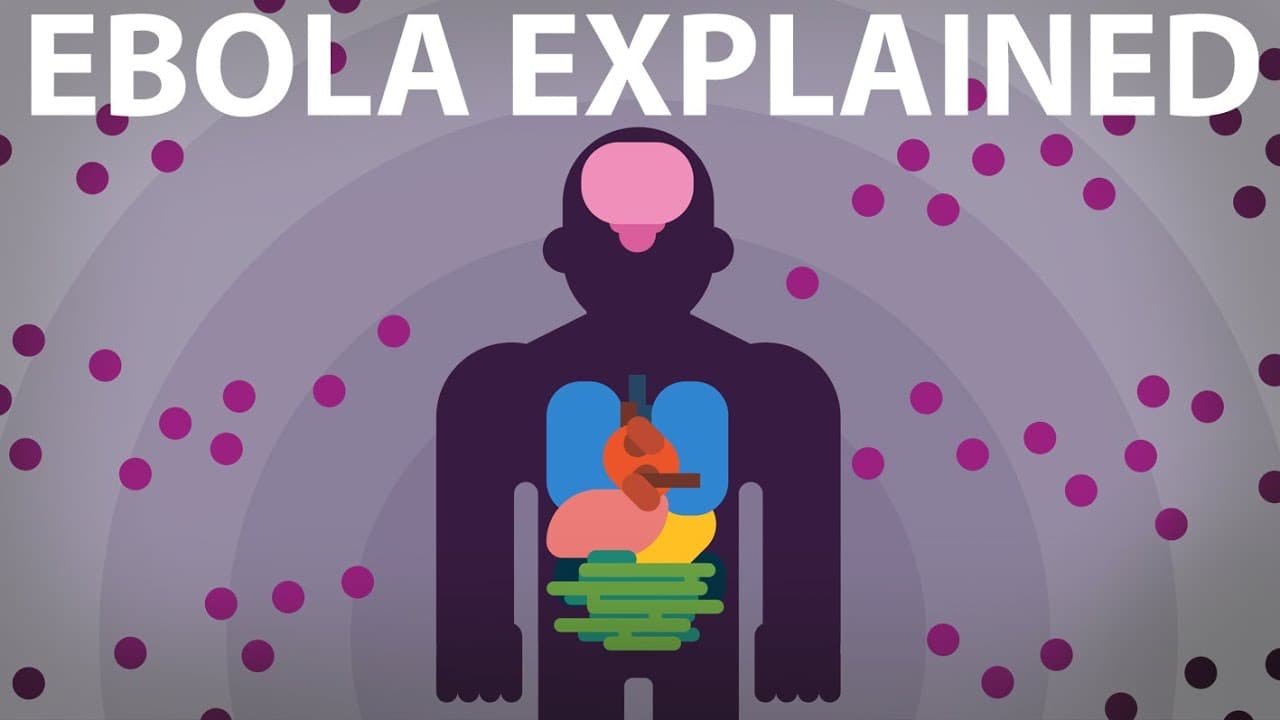
The Ebola virus attacks the immune system by hijacking dendritic cells, leading to organ failure and internal bleeding. While the disease is severe, actual infection risk is low, primarily requiring contact with bodily fluids of symptomatic individuals. Media portrayal often exaggerates the danger compared to more common threats like the flu.
Transcript
What makes Ebola so dangerous? How can a virus overwhelm the very complex defense system of the body so quickly and so effectively? Let's take a look at what Ebola does. (Theme music) Ebola is a virus. A virus is a very small thing. A bit of RNA or DNA and a few proteins and a hull. It has no ability to do anything by itself whatsoever, and can onl... Read More
Key Insights
- ❓ Ebola infiltrates immune cells, causing them to produce more virus particles.
- ❓ Organ failure and internal bleeding result from Ebola's disruption of the immune system.
- 🔉 Media hype over Ebola often exceeds the actual risks of infection.
- 🥺 The cytokine storm induced by Ebola can lead to severe collateral damage.
- 📳 Contact with infected bodily fluids is the main mode of Ebola transmission.
- 😳 Other diseases like the flu and malaria pose greater global health risks than Ebola.
- 👋 Maintaining good hygiene practices and staying informed on outbreaks are essential in preventing Ebola transmission.
Install to Summarize YouTube Videos and Get Transcripts
Explore YouTube Video Summarizer or Get YouTube Transcript Extractor
Questions & Answers
Q: How does Ebola affect the immune system?
Ebola targets dendritic cells and other immune cells, hijacking them to produce more viruses, leading to immune system disruption and systemic failure.
Q: What role does the cytokine storm play in Ebola infections?
The cytokine storm is an immune response gone haywire, launching all defenses at once, causing collateral organ damage and fluid loss, leading to dehydration and death.
Q: Why is media hype surrounding Ebola disproportionate to the actual risks?
While Ebola is deadly, the real risk comes from bodily fluid contact, with diseases like the flu and malaria causing more deaths globally each year.
Q: How can individuals protect themselves from Ebola?
Avoiding contact with symptomatic individuals or infected bats, practicing good hygiene, and staying informed on outbreak locations are crucial in preventing Ebola transmission.
Summary & Key Takeaways
-
Ebola attacks the immune system by taking over dendritic cells and other immune cells, causing systemic organ failure and internal bleeding.
-
The virus disables the body's defense mechanisms and triggers a cytokine storm, leading to massive collateral damage.
-
Despite media hype, the real risk of Ebola comes from contact with infected bodily fluids, with other diseases like the flu posing a greater threat globally.
Read in Other Languages (beta)
Share This Summary 📚
Summarize YouTube Videos and Get Video Transcripts with 1-Click
Try YouTube Summary with ChatGPT & Claude or YouTube Transcript Generator
Explore More Summaries from Kurzgesagt – In a Nutshell 📚





Summarize YouTube Videos and Get Video Transcripts with 1-Click
Try YouTube Summary with ChatGPT & Claude or YouTube Transcript Generator