M6C MoDRN Energy: Water as Energy
TL;DR
The quality and availability of water have significant effects on chemical processes and society, impacting both environmental and economic factors.
Transcript
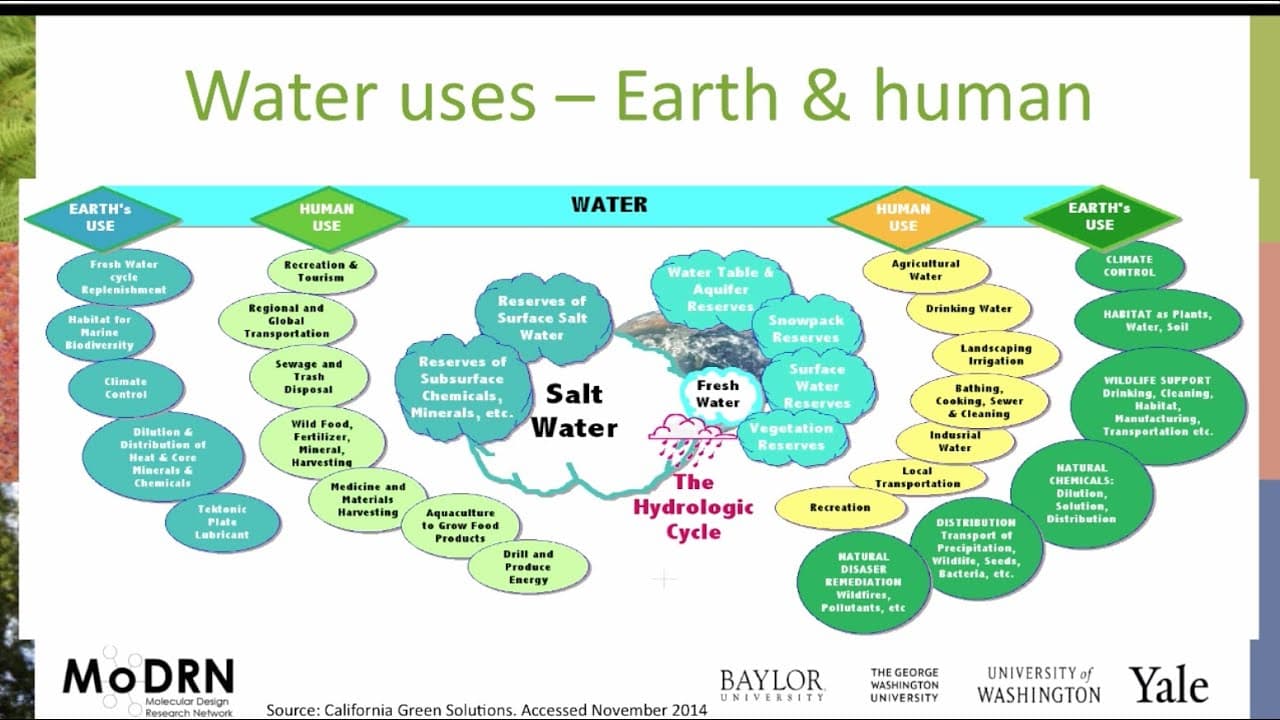
we produce a lot of water and a kind of a shocking amount of it gets lost the quality matters so just like all those fuels had to go through numerous purification steps obviously we want clean water for whether it's drinking or chemical processes chemical processes may even be more sensitive than humans are to the water quality in terms of chemistr... Read More
Key Insights
- 💦 Water quality is crucial for successful chemical reactions and needs to be purified to remove impurities that can affect the chemistry involved.
- 💦 Freshwater scarcity and increasing demand pose challenges for water-intensive industrial processes.
- 💦 Different regions face varying levels of water availability, influencing the impact of chemical production on local water resources.
- 💦 Outdated water infrastructure leads to significant water loss, contributing to environmental and economic consequences.
- 💦 The purification processes associated with public water supplies have embedded impacts, including energy consumption and water requirements.
- 💦 The global impact of water usage in chemical processes is vast, affecting the overall water supply and potential environmental and economic consequences.
- 💦 Balancing the need for water in chemical processes with other essential uses, such as drinking water and basic needs, is crucial for sustainable water management.
Install to Summarize YouTube Videos and Get Transcripts
Explore YouTube Video Summarizer or Get YouTube Transcript Extractor
Questions & Answers
Q: How does water quality affect chemical processes?
Water quality is essential for successful chemical reactions as impurities in water can interfere with the desired chemistry and affect the overall outcome of the reaction. Purification steps are necessary to ensure clean water for optimal results.
Q: Why is freshwater availability a concern for chemical processes?
Freshwater is essential for chemical processes, and the increasing demand for freshwater, coupled with potential scarcity issues, can impact the availability of water for industrial use. This can lead to higher costs, inefficiencies, and potential environmental consequences.
Q: How do different regions' access to water impact chemical production?
Regions with limited access to water may face challenges in conducting water-intensive chemical processes. The impacts of such processes may vary depending on the water availability in different parts of the world, with regions with plentiful water facing fewer concerns compared to water-scarce regions.
Q: How does outdated water infrastructure contribute to water loss?
Outdated water infrastructure, particularly in the US, contributes to significant water loss. Aging pipe systems, like in Philadelphia, can account for a loss of more than 30% of the water extracted and treated. This not only has environmental implications but also economic impacts.
Summary & Key Takeaways
-
Water plays a crucial role in chemical processes, requiring purification steps to ensure clean water for both drinking and chemical reactions.
-
Water quality is important in chemical processes, as it can affect the chemistry involved and the overall success of the reaction.
-
Water is essential for various applications, including industrial use, and the demand for freshwater is increasing, leading to potential scarcity issues.
Read in Other Languages (beta)
Share This Summary 📚
Summarize YouTube Videos and Get Video Transcripts with 1-Click
Try YouTube Summary with ChatGPT & Claude or YouTube Transcript Generator
Explore More Summaries from YaleCourses 📚





Summarize YouTube Videos and Get Video Transcripts with 1-Click
Try YouTube Summary with ChatGPT & Claude or YouTube Transcript Generator