How to prevent MASLD and fatty liver disease
TL;DR
Metabolic dysfunction associated steatotic liver disease MASLD is tied to overweight, insulin resistance, high blood pressure, and abnormal lipids. Imaging confirms fat in the liver and treatment centers on weight loss, diet, and exercise, plus protecting the liver from additional insults like alcohol and viral hepatitis. Early screening through annual blood work helps catch it before inflammation and scarring occur.
Transcript
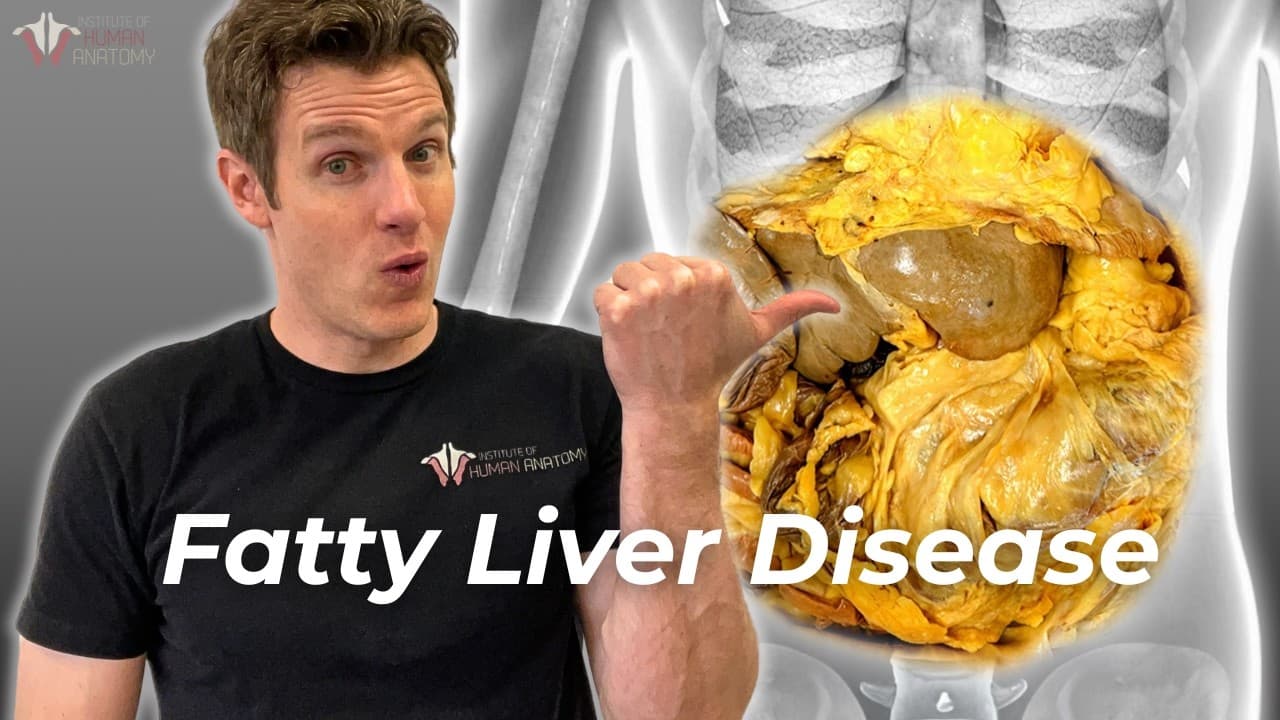
something that often shocks students is when they first see the size of this organ which is the liver now this liver is actually a diseased liver and we'll come back to that in just a minute but the liver is the second largest organ in the human body with the skin being the largest and on top of being one of the largest organs in the body you may h... Read More
Key Insights
- The liver is the body’s detox and metabolism hub, essential for filtering toxins, metabolizing drugs, and producing bile.
- Fatty liver disease has two forms: alcoholic and non alcoholic; the latter is linked to metabolic dysfunction and MASLD.
- MASLD is diagnosed when imaging shows hepatic fat accumulation and at least one cardiometabolic dysfunction criterion is present.
- Cardiometabolic dysfunctions include overweight or obesity, abnormal glucose, high blood pressure, high triglycerides, and low HDL cholesterol.
- Imaging confirmation is typically via ultrasound, sometimes found incidentally on CT or MRI.
- Weight loss through diet and exercise can improve insulin sensitivity, blood pressure, triglycerides, and cholesterol.
- Treatment options escalate if weight loss is insufficient and may include medications or bariatric surgery.
- Prevention focuses on avoiding liver toxins, vaccinating against hepatitis viruses, and maintaining a healthy lifestyle.
Install to Summarize YouTube Videos and Get Transcripts
Explore YouTube Video Summarizer or Get YouTube Transcript Extractor
Questions & Answers
Q: What is MASLD and how is it different from traditional fatty liver disease
MASLD stands for metabolic dysfunction associated steatotic liver disease, a name reflecting the strong link between fatty liver and cardiometabolic dysfunction. It is diagnosed when the liver shows fat accumulation on imaging and the person meets at least one cardiometabolic criterion such as overweight, prediabetes, hypertension, high triglycerides, or low HDL. Early stages are often asymptomatic, so routine screening and awareness of risk factors are crucial. Managing MASLD centers on addressing the underlying metabolic issues through weight loss, improved diet and physical activity, and controlling blood pressure and lipid levels, which can slow or reverse fat accumulation and prevent progression to inflammation, fibrosis, or cirrhosis. In many cases, a combination of lifestyle modification and medical approaches is used to reduce liver fat and protect liver function.
Q: What are the key risk factors that raise the chance of developing MASLD
Key risk factors for MASLD include being overweight or having obesity, which contributes to insulin resistance and metabolic dysfunction. Elevated fasting glucose or prediabetes, or type 2 diabetes, increases risk, as does high blood pressure. Abnormal triglyceride levels and low HDL cholesterol also contribute to the risk profile. Visceral fat around organs is a notable indicator. The disease can be asymptomatic for a long time, making regular screening important for people with these risk factors. Addressing these risks with lifestyle changes can prevent progression.
Q: How is MASLD diagnosed according to the video content
Diagnosis relies on imaging evidence of hepatic fat infiltration, most commonly via ultrasound, sometimes incidental findings on CT or MRI. In addition to imaging, patients must meet one or more cardiometabolic dysfunction criteria such as BMI over 25, prediabetes or diabetes, hypertension, high triglycerides, or low HDL. The combination of imaging findings and metabolic risk factors forms the basis for diagnosing MASLD and guiding treatment decisions. Regular monitoring of liver enzymes and metabolic health is typical in the diagnostic process.
Q: What treatment strategies are recommended for MASLD
Treatment focuses on reducing liver fat and addressing metabolic dysfunctions. A weight loss plan is central because it improves blood pressure, insulin sensitivity, triglycerides, and cholesterol. Diet and exercise are first line approaches, with potential use of medications or procedures like bariatric surgery if needed. Alcohol avoidance is advised even though MASLD is not caused by alcohol, to prevent added liver stress. Vaccination for Hepatitis A and B is recommended to protect the liver from additional infections.
Q: Why is weight loss so important in MASLD management
Weight loss is important because it directly affects multiple cardiometabolic factors that contribute to MASLD. It lowers body mass, which improves insulin sensitivity and blood glucose control, helps reduce visceral fat, and can normalize triglyceride and HDL cholesterol levels. By reducing these risk factors, weight loss can slow or reverse fat accumulation in the liver and reduce the risk of progression to inflammation, fibrosis, or cirrhosis. A sustainable plan typically combines diet, exercise, and behavioral changes.
Q: What happens if MASLD progresses to more severe liver disease
If MASLD progresses to metabolic dysfunction associated steatohepatitis, inflammation of the liver occurs due to fat accumulation. This can lead to fibrosis, scarring, and potentially cirrhosis, which increases the risk of liver cancer and may necessitate a transplant. Early detection is key, as regressive treatment options are more effective in the early stages. Sticking with a comprehensive plan addressing diet, exercise, sleep, and mental health can prevent progression in many cases.
Q: What precautions can help protect the liver beyond MASLD treatment
Precautions include avoiding alcohol to reduce liver burden even though MASLD is not caused by alcohol, and ensuring vaccinations for Hepatitis A and B if not already vaccinated. Regular health checkups and blood tests help monitor liver enzymes and metabolic risk factors, allowing early intervention if problems arise. Maintaining a healthy lifestyle with proper diet, exercise, adequate sleep, and sound mental health supports overall liver resilience and reduces the likelihood of progression to advanced liver disease.
Q: What does the video suggest about the prevalence and awareness of MASLD
The video notes that fatty liver disease is increasingly common and that many people with MASLD are asymptomatic in early stages, making it easy to miss without routine screening. It emphasizes the importance of annual physicals and blood work to detect elevated liver enzymes or metabolic dysfunction. Early detection enables timely intervention, which can prevent progression to more severe liver injury and potential transplant, underscoring the value of proactive health management.
Summary & Key Takeaways
-
The liver is a large, resilient organ that can regenerate but has limits when fat accumulates, leading to MASLD. Early detection through imaging and cardiometabolic risk assessment allows timely intervention with lifestyle changes to reduce progression. Weight loss and management of blood pressure, glucose, and lipids are central to treatment.
-
If MASLD progresses to steatohepatitis, fibrosis, or cirrhosis, the risk of liver failure and cancer rises, potentially necessitating a transplant. Prevention focuses on four pillars: diet, exercise, sleep, and mental health, with vaccines and avoidance of liver toxins.
-
Preventive strategies include avoiding alcohol, vaccinating for Hepatitis A and B, and considering medications or surgery only if lifestyle changes fail. Regular checkups and lab tests help monitor liver enzymes and cardiometabolic markers, enabling early, effective intervention.
Read in Other Languages (beta)
Share This Summary 📚
Summarize YouTube Videos and Get Video Transcripts with 1-Click
Try YouTube Summary with ChatGPT & Claude or YouTube Transcript Generator
Explore More Summaries from Institute of Human Anatomy 📚




Summarize YouTube Videos and Get Video Transcripts with 1-Click
Try YouTube Summary with ChatGPT & Claude or YouTube Transcript Generator