How to pitch design work to clients effectively
TL;DR
Articulate design thinking with precise language to fill gaps in imagination. Use a clear client-facing lens and describe texture, mood, and sensory details to bring the concept to life. Frame visuals with a pragmatic narrative so clients understand the value beyond aesthetics.
Transcript
it's this let me explain it all right pitch this Ben burns and I were talking about how the how we speak differently about design since I went to a design school got my formal training and you pick up all the Arts speak you learn how to present just by watching other people present and though Ben has a media arts degree it wasn't as concentrated so... Read More
Key Insights
- Design speaks best when paired with precise language that explains thinking and avoids vague terms. The presenter should fill the imagination gaps by describing how and why choices were made.
- Use client-centric storytelling to situate design within real world context, including user experience, environment, and business goals rather than pure aesthetics.
- Describe texture and sensory aspects in pitches to help clients feel the product or space, not just see it on a screen, enhancing perceived value.
- A straightforward pitch that emphasizes outcomes and benefits helps clients connect with the proposal more quickly than abstract jargon.
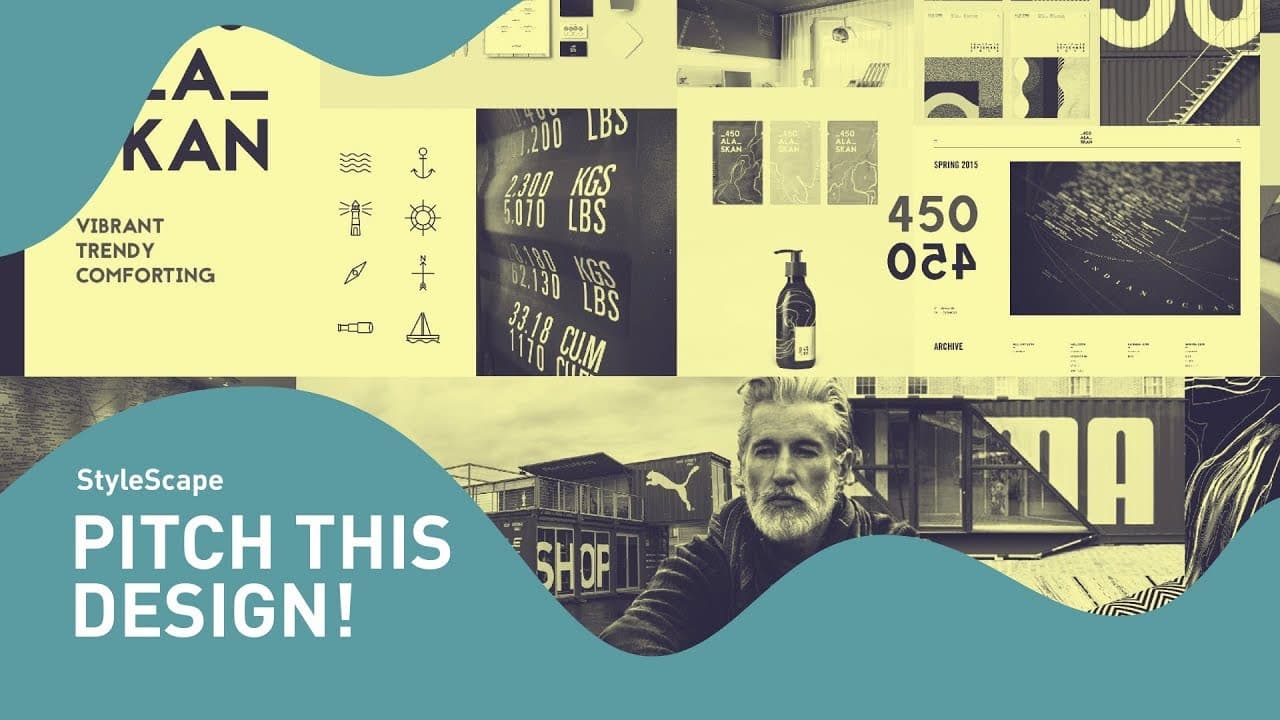
- Visible structure and deliberate inclusion of mood boards or stylescapes guide clients through the concept and reduce misinterpretation.
- Referencing specific design vocabulary only when it clarifies concepts for the client; avoid insider jargon that obscures meaning for non designers.
- Rehearse pitches to maintain a confident, consistent narrative and prevent drifting into unhelpful stylistic details.
- Solicit client feedback early and surface it in the presentation to tailor the final concept to their needs and constraints.
- More videos from this channel:
- More from this channel: The Futur
Install to Summarize YouTube Videos and Get Transcripts
Explore YouTube Video Summarizer or Get YouTube Transcript Extractor
Questions & Answers
Q: What is the main purpose of using precise language in a design pitch?
The main purpose is to articulate the designer’s thinking clearly so the client understands not just what the design looks like, but why it works. Precise language helps fill the gaps between concept and expectation, aligning the client with the intended outcomes and reducing misinterpretation.
Q: Why should textures and sensory details be described in a pitch?
Describing texture and sensory details helps the client feel the product or space, making the concept tangible beyond visuals. It creates a vivid mental image, enhances perceived value, and supports decisions by connecting design decisions to real experiences, not just aesthetics.
Q: How can stylescapes improve client understanding?
Stylescapes act as mood boards that organize visuals, typography, and color into a cohesive story. They provide concrete references that anchor conversations, allowing the client to judge tone, direction, and potential emotional impact, which reduces ambiguity and speeds consensus.
Q: What is the benefit of a straightforward client-centric narrative?
A straightforward narrative focuses on what matters to the client, such as return on investment, usability, and brand alignment. It avoids opaque jargon, keeps the discussion grounded in practical outcomes, and helps the client visualize benefits and next steps more clearly.
Q: How should a designer handle design vocabulary in a pitch?
Use design vocabulary only when it clarifies a concept for the client, and avoid insider jargon that may confuse. When necessary, link terms to familiar ideas or outcomes to create a shared visual language that both designer and client understand.
Q: What role do feedback loops play during a pitch?
Feedback loops enable the designer to adapt the concept to client needs, constraints, and preferences. Collecting input during the pitch ensures the final concept is relevant, feasible, and aligned with business goals, reducing costly revisions later.
Q: How can a presenter avoid drift during a pitch?
Rehearse with a structured script and visuals to maintain a clear narrative. Stick to the central message, periodically anchor back to client goals, and minimize detours into unrelated stylistic details to preserve focus on value and outcomes.
Q: What should be shown in the visuals to support the pitch?
Show visuals that demonstrate context, materials, color, typography, and layout with a practical emphasis on how they achieve the client’s goals. Include mood boards, sample textures, and environmental cues to help the client picture real-world use and impact.
Summary & Key Takeaways
-
A client-facing pitch should translate design decisions into tangible language that non designers can grasp, using examples and sensory cues to bridge gaps between concept and reality.
-
Stylescapes and mood descriptions help clients visualize outcomes, increasing alignment and reducing assumptions, by foregrounding texture, tone, and user experience in the presentation.
-
A focused, direct pitch that explains what matters to the client, supported by deliberate visuals, leads to more effective buy-in and clearer next steps for a design project.
Read in Other Languages (beta)
Share This Summary 📚
Summarize YouTube Videos and Get Video Transcripts with 1-Click
Try YouTube Summary with ChatGPT & Claude or YouTube Transcript Generator
Explore More Summaries from The Futur 📚





Summarize YouTube Videos and Get Video Transcripts with 1-Click
Try YouTube Summary with ChatGPT & Claude or YouTube Transcript Generator