How Do Diseases Spread and Shape Animal Behavior?
TL;DR
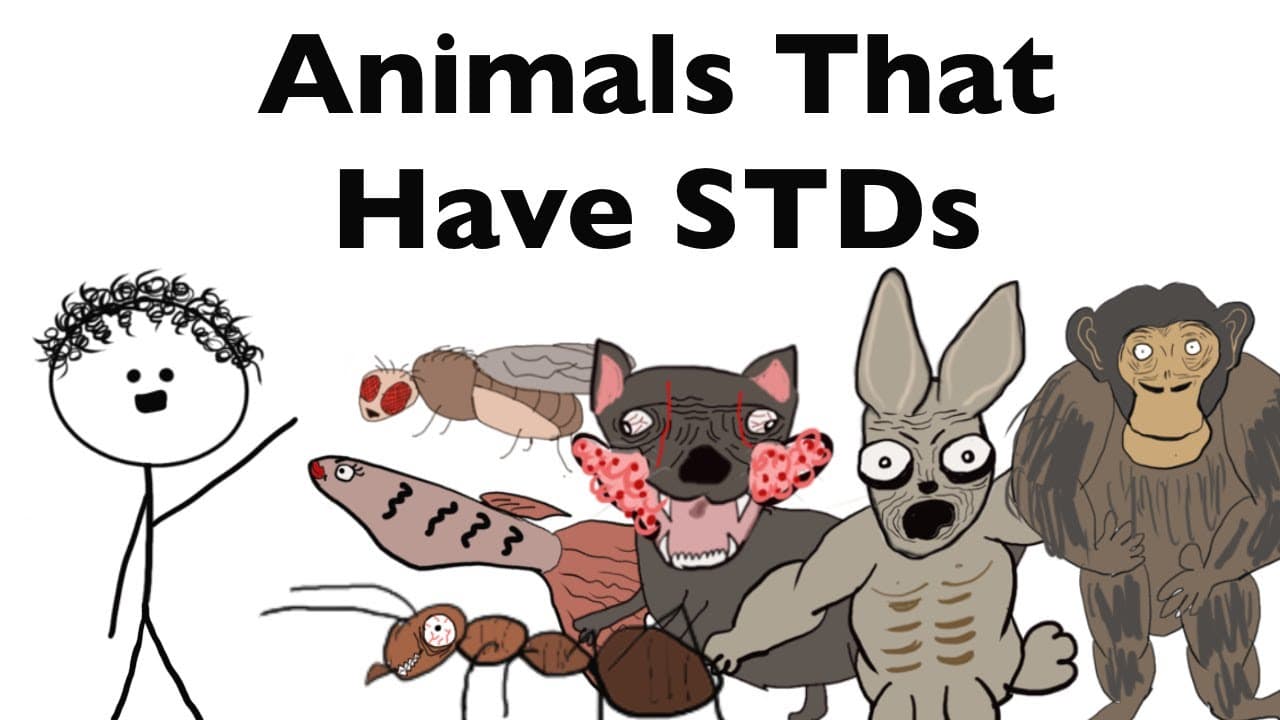
Animal diseases can spread through mating, close contact, bites, scratches, or environmental exposure, and they may alter survival and behavior. Koalas face widespread chlamydia, Tasmanian devils transmit living cancer cells through bites, and guppies respond to parasite risk by reducing bright coloration and changing mating habits. Several examples discussed, including bat and ant fungi, are explicitly not sexually transmitted diseases.
Transcript
let's start with the simpler cases and work our way towards the dirtiest animals on the list number 10 koalas yeah you probably already know this first one but hey we got to start somewhere right now picture this you're a koala hanging out in a tree and you spot a potential mate you give them an irresistible koala wink but little do you know yo... Read More
Key Insights
- Koala chlamydia is described as affecting around 50% to 90% of koalas and causing burning sensations, pain, and other serious problems. Scientists trying to protect koalas have developed eucalyptus-flavored chlamydia vaccines as an unusual disease-control measure.
- Drosophila melanogaster sigma virus is described as making infected male fruit flies more attractive to females while shortening the lives of infected flies. Greater male mating success gives the virus more opportunities to reach new hosts, while females receive no comparable attraction benefit.
- Myxomatosis is a virus that humans introduced into Australia and Europe during the 1950s to address rabbit populations. It can swell rabbits' eyelids, ears, and lips and often causes death, although some rabbit species are now developing resistance to the disease.
- Baboon herpes is usually carried without much trouble by baboons but can become very dangerous if transmitted to humans. Such transmission is described as rare and generally associated with bites or scratches, making physical distance an important precaution around baboons.
- Devil facial tumor disease is a contagious cancer that spreads when Tasmanian devils bite one another and transfer living cancer cells. Facial and mouth tumors interfere with eating, and the disease has driven declines of more than 80% in some areas.
- Chimpanzee self-medication is described as selecting and eating plants with medicinal properties, with similar behavior observed across different chimpanzee groups. Chimpanzees may also rub certain plants on their bodies, although the transcript presents this external application as a possibility rather than a confirmed treatment.
- Bat white-nose syndrome is a fungal disease, not technically a sexually transmitted infection, that grows on bats during hibernation. The irritation repeatedly wakes them, accelerates consumption of stored fat, and can cause starvation before winter ends, while close contact may assist transmission.
- Guppy responses to sexually transmitted parasites include reducing bright male coloration and changing mating habits in high-risk areas. Males become less focused on rapidly pursuing multiple mates and invest more in individual partners, strategies described as lowering infection rates.
Install to Summarize YouTube Videos and Get Transcripts
Explore YouTube Video Summarizer or Get YouTube Transcript Extractor
Questions & Answers
Q: How does chlamydia affect koalas?
Chlamydia is described as affecting around 50% to 90% of koalas. The bacterial infection can cause burning sensations, pain, and other serious problems. Scientists working to protect koala populations have developed eucalyptus-flavored chlamydia vaccines. The account presents vaccination as an unusual but practical response to an infection that is widespread among these animals.
Q: Why does sigma virus make male fruit flies more attractive?
The Drosophila melanogaster sigma virus is described as increasing the attractiveness of infected male fruit flies to females. This gives infected males more mating opportunities, which in turn gives the virus more chances to move into new hosts during mating. The benefit belongs to the virus, not the flies, because infection shortens their lifespan and provides females no similar advantage.
Q: What happened after myxomatosis was introduced to rabbit populations?
Myxomatosis originally infected rabbit species in South America before humans introduced it into Australia and Europe during the 1950s to address rabbit populations. The virus then spread rapidly. It can cause severely swollen eyelids, ears, and lips and often kills infected rabbits. The account also notes that some rabbit species have begun developing resistance, showing an ongoing biological response to the disease.
Q: How can herpes spread from baboons to humans?
Baboons are described as herpes carriers that often experience little trouble from the infection themselves. Human infections are presented as rare but potentially very dangerous. When transmission does occur, it is usually connected to a bite or scratch from an infected baboon. Maintaining physical distance therefore reduces the type of direct contact associated with the reported cross-species transmission risk.
Q: How does devil facial tumor disease spread among Tasmanian devils?
Devil facial tumor disease spreads when Tasmanian devils bite each other and transfer living cancer cells. Those cells escape recognition by the recipient's immune system, settle in, and multiply. The resulting tumors grow around the face and mouth, making eating difficult. Since the first reported case in 1996, the disease has contributed to declines exceeding 80% in some areas and endangered the animals.
Q: How do chimpanzees use plants for self-medication?
Chimpanzees have been observed selecting and eating plants described as having medicinal properties, including some plants also used by humans for medical benefits. Similar behavior occurs across different chimpanzee groups rather than in only one individual. The account also suggests they may rub certain plants on their bodies, but presents that external use as a possibility, including potential relief for skin problems, rather than a confirmed cure.
Q: Why is white-nose syndrome dangerous to hibernating bats?
White-nose syndrome is a fungal disease that grows on bats' noses, wings, and ears in cold, dark caves. The irritation wakes infected bats repeatedly during hibernation. Those interruptions make them consume stored fat too quickly, so they may starve before winter ends. The disease is not technically a sexually transmitted infection, although close contact around the period before hibernation may help spread the fungus.
Q: How do guppies change their behavior when parasite risk is high?
Male guppies in areas with high sexually transmitted parasite risk are described as reducing the bright colors normally used to attract females because those colors also attract parasites. They also slow their usual rapid pursuit of new mates and spend more time with individual partners. Scientists cited in the account say these less flashy, more selective mating strategies are reducing sexually transmitted disease rates.
Summary & Key Takeaways
-
The examples cover bacteria, viruses, parasites, fungi, and contagious cancer affecting animals in different ways. Transmission may occur during mating, through bites or scratches, through close physical contact, or by environmental spores. The account also acknowledges that white-nose syndrome and zombie-ant fungus are not technically sexually transmitted diseases.
-
Several infections create severe consequences for their hosts. Chlamydia causes serious problems in koalas, myxomatosis produces swelling and can kill rabbits, and white-nose syndrome disrupts bat hibernation until fat reserves are exhausted. Devil facial tumor disease creates obstructive facial tumors and has caused population declines exceeding 80% in some areas.
-
Animals may respond to disease pressure through resistance, self-medication, or behavioral adaptation. Some rabbits are resisting myxomatosis, chimpanzees consume and possibly rub medicinal plants on their bodies, and male guppies become less colorful and change mating behavior where parasite risk is high. These responses illustrate survival under persistent disease pressure.
Read in Other Languages (beta)
Share This Summary 📚
Summarize YouTube Videos and Get Video Transcripts with 1-Click
Try YouTube Summary with ChatGPT & Claude or YouTube Transcript Generator
Explore More Summaries from Chill Dude Explains 📚




Summarize YouTube Videos and Get Video Transcripts with 1-Click
Try YouTube Summary with ChatGPT & Claude or YouTube Transcript Generator