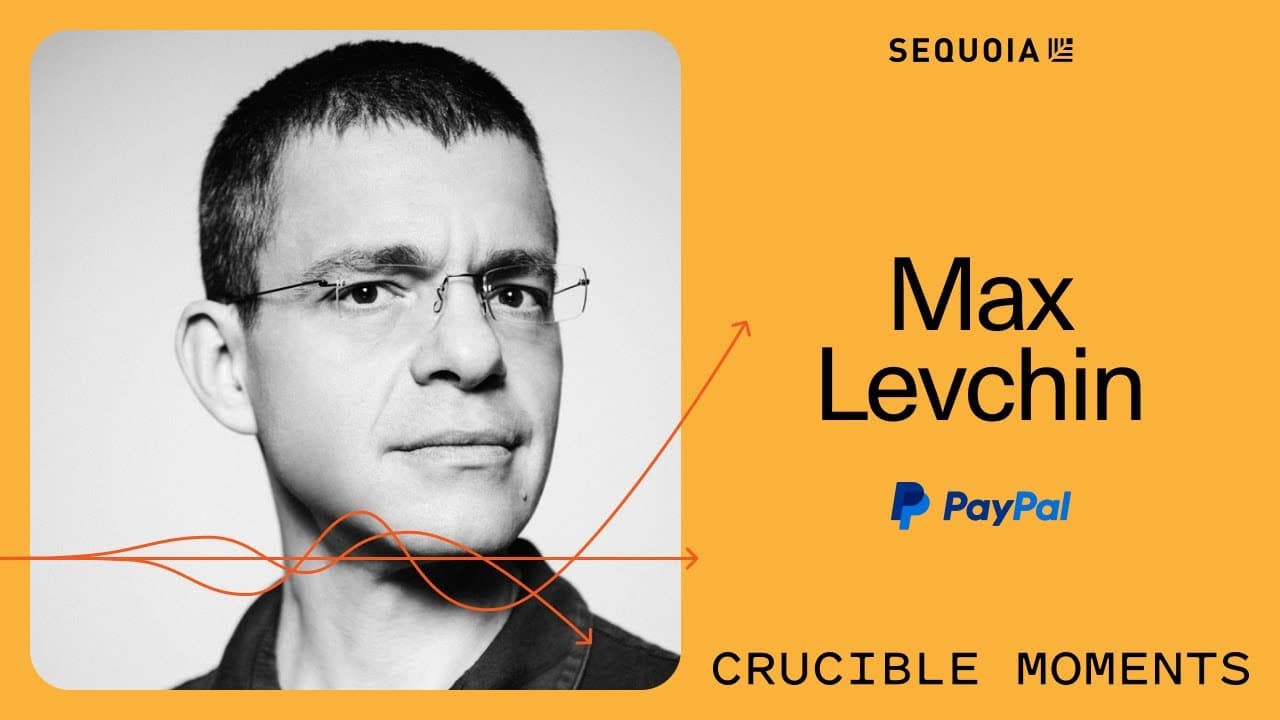
PayPal ft Max Levchin - A Merger of Enemies That Reshaped Silicon Valley
TL;DR
PayPal emerged from a fierce rivalry between x.com and Confinity, facing critical leadership challenges. The company tackled severe fraud issues, developing innovations like CAPTCHA, while navigating competitive pressures from eBay. Ultimately, PayPal opted for an IPO, securing independence, which influenced the broader tech industry, notably through the entrepreneurial success of the 'PayPal Mafia.'
Transcript
one of the particularly prolific people who was creating these fraudulent accounts on PayPal somehow figure out my email address it would be like a bank executive talking to a bank robber as the robbery is happening we went from the problem let's address it to this is a survival moment and if we don't figure out how to destroy what fraud is doing t... Read More
Key Insights
- PayPal's formation involved a merger of two rival companies, x.com and Confinity, which created significant internal tensions and challenges in leadership roles.
- The early days of PayPal were marked by fierce competition and rivalry, particularly between Elon Musk's x.com and Peter Thiel's Confinity, both aiming to dominate online payments.
- Fraud was a major challenge for PayPal, with unauthorized transactions threatening the company's survival, leading to innovative solutions like CAPTCHA to combat fraud.
- The company faced a critical decision between accepting acquisition offers from eBay and pursuing an IPO, ultimately choosing to go public to maintain independence and access capital.
- eBay's acquisition of PayPal was a strategic move to integrate a popular payment system into its ecosystem, despite previous competitive tensions and low acquisition offers.
- The PayPal Mafia, a group of former PayPal employees, went on to create and invest in several successful tech companies, demonstrating the impact of PayPal's culture and experience.
- Max Levchin's technical leadership and innovations were crucial in developing security measures that are still in use today, highlighting the importance of technical expertise in startup success.
- The PayPal story illustrates the importance of navigating crucible moments, where pivotal decisions shape the future trajectory of a company and its impact on the tech industry.
Install to Summarize YouTube Videos and Get Transcripts
Explore YouTube Video Summarizer or Get YouTube Transcript Extractor
Questions & Answers
Q: What were the main challenges PayPal faced in its early days?
PayPal faced several challenges in its early days, including intense competition between x.com and Confinity, which later merged to form PayPal. The company also struggled with significant fraud issues, with unauthorized transactions threatening its survival. Additionally, PayPal had to navigate competitive pressures from eBay, which both competed with and sought to acquire the company.
Q: How did PayPal address the fraud issues it encountered?
PayPal addressed fraud issues by developing innovative solutions such as CAPTCHA, which helped prevent automated fraudulent account creation. The company also implemented pattern recognition tools to identify and stop laundering operations and introduced a bank account verification system using small random deposits. These measures gradually reduced fraud losses and stabilized the business.
Q: What was the significance of PayPal's IPO decision?
PayPal's decision to pursue an IPO was significant because it provided the company with access to capital, legitimized its business model, and offered a clear market valuation. Going public allowed PayPal to maintain independence from eBay, which had made several acquisition offers, and demonstrated confidence in its growth potential despite competitive pressures.
Q: How did the merger between x.com and Confinity impact PayPal?
The merger between x.com and Confinity was a pivotal moment for PayPal, creating significant internal tensions and leadership challenges. The merger was initially a 50-50 split, leading to disagreements over technical and strategic decisions. Despite these challenges, the merger ultimately combined the strengths of both companies, enabling PayPal to become a dominant player in online payments.
Q: What role did eBay play in PayPal's development?
eBay played a dual role in PayPal's development, serving as both a competitor and a strategic partner. While eBay attempted to undermine PayPal by promoting its own payment system, it also recognized PayPal's value and made several acquisition offers. The eventual acquisition by eBay in 2002 integrated PayPal into eBay's ecosystem, solidifying its position as a leading online payment platform.
Q: Who were some key figures in PayPal's early success?
Key figures in PayPal's early success included Max Levchin, who co-founded the company and drove technical innovations; Elon Musk, who initially led x.com; Peter Thiel, who co-founded Confinity and later became CEO; and Michael Moritz, a Sequoia partner who supported the company. These individuals, along with others in the PayPal Mafia, played crucial roles in navigating challenges and driving growth.
Q: What impact did the PayPal Mafia have on the tech industry?
The PayPal Mafia, a group of former PayPal employees, had a significant impact on the tech industry by founding and investing in successful companies such as YouTube, Yelp, Tesla, SpaceX, and LinkedIn. Their experience at PayPal provided valuable lessons in entrepreneurship, innovation, and navigating challenges, contributing to their later successes and shaping the broader tech landscape.
Q: How did PayPal's innovations influence the broader tech industry?
PayPal's innovations, particularly in fraud prevention and security, influenced the broader tech industry by setting standards that are still in use today. Technologies like CAPTCHA for verifying human users and random deposit verification for bank accounts have become common practices. PayPal's success also demonstrated the potential of online payments, paving the way for future fintech developments.
Summary
This podcast episode tells the story of PayPal's early days and the crucible moments that shaped the company. It covers the challenges faced during a 50-50 merger, the fight against fraud, and the battle with eBay. Ultimately, PayPal's decision to go public and bet on themselves led to their success.
Questions & Answers
Q: Who were the founders of PayPal?
PayPal was initially two companies - x.com, founded by Elon Musk, and confinity, co-founded by Peter Thiel and Max Levchin.
Q: What was the initial idea behind PayPal?
The initial idea was to create a secure payment platform for mobile devices and the web using cryptographic technology. However, the focus quickly shifted to providing email-based payments for everyone.
Q: How did PayPal become popular on eBay?
PayPal and x.com both had email money mechanisms that gained popularity when used by eBay merchants. The instant money transfer feature made it convenient for eBay buyers and sellers.
Q: What was the rivalry between x.com and confinity?
The rivalry between the two companies was intense, with each trying to outdo the other on eBay. It was described as a blood feud, with Max Levchin comparing it to warring families in a Tuscan hill town.
Q: How did the 50-50 merger between x.com and confinity happen?
The merger happened after realizing that both companies' standalone paths were unsustainable. Peter Thiel played a key role in negotiating the merger terms, eventually resulting in a 50-50 merger and the renaming of the combined company as PayPal.
Q: What were the challenges of the 50-50 merger?
The merger created tension and friction within the newly combined company. There was a lack of clear authority and identity, leading to debates about technical decisions and roles.
Q: How did PayPal combat fraud?
PayPal faced a significant fraud problem from unauthorized transactions made with stolen credit card information. They developed innovative anti-fraud measures like the Gaussberg-Lefkowitz test (CAPTCHA) and random deposit verification to combat fraudsters.
Q: How successful were PayPal's fraud-fighting efforts?
PayPal's fraud-fighting efforts gradually paid off, reducing fraud losses from over 10 million dollars per month to a fraction of that amount. Their techniques, like CAPTCHA, are still widely used today in the fight against fraud.
Q: What challenges did PayPal face with eBay?
eBay saw PayPal as a threat and engaged in tactics to undermine its success. They made code changes, sent legal notices, and cut PayPal out of product upgrades, creating tension and uncertainty for PayPal's future.
Q: Why did PayPal decide to go public?
Going public would provide access to capital, legitimize the company, and establish an independent market valuation. Despite eBay's attempts to acquire PayPal, the team felt a sense of responsibility to their shareholders and believed in the company's potential.
Q: Why did PayPal eventually decide to sell to eBay?
After going public, PayPal received another acquisition offer from eBay for 1.5 billion dollars. The decision to sell was bittersweet, but it provided a clear exit and significant financial gain for the company.
Takeaways
PayPal's early days were full of challenges and crucible moments. From the intense rivalry between x.com and confinity to the fight against fraud and the battle with eBay, PayPal had to make tough decisions to survive and thrive. Their success came from betting on themselves, taking risks, and never giving up. This story serves as a reminder that resilience, adaptability, and a strong sense of identity are crucial in navigating crucial crossroads for any company.
Summary & Key Takeaways
-
PayPal's early journey involved a merger between two rival companies, x.com and Confinity, leading to leadership challenges and internal tensions. The company's success was threatened by significant fraud issues, prompting innovative solutions like CAPTCHA to combat unauthorized transactions. Despite competitive pressures from eBay, PayPal chose to go public, securing its independence and access to capital.
-
The competition between PayPal and eBay was intense, with eBay attempting to undermine PayPal's success while also offering acquisition deals. PayPal's decision to pursue an IPO rather than accept eBay's offers demonstrated confidence in its business model and growth potential. The eventual acquisition by eBay in 2002 marked a significant turning point for PayPal.
-
The PayPal Mafia, consisting of former employees, went on to create and invest in several successful tech companies, showcasing the long-term impact of PayPal's culture and experience. Max Levchin's technical innovations played a crucial role in PayPal's success, emphasizing the importance of technical leadership in overcoming challenges and driving growth.
Read in Other Languages (beta)
Share This Summary 📚
Summarize YouTube Videos and Get Video Transcripts with 1-Click
Try YouTube Summary with ChatGPT & Claude or YouTube Transcript Generator
Explore More Summaries from Crucible Moments: A Podcast from Sequoia Capital 📚





Summarize YouTube Videos and Get Video Transcripts with 1-Click
Try YouTube Summary with ChatGPT & Claude or YouTube Transcript Generator