How Does Freud's Theory Explain Self-Sabotage?
TL;DR
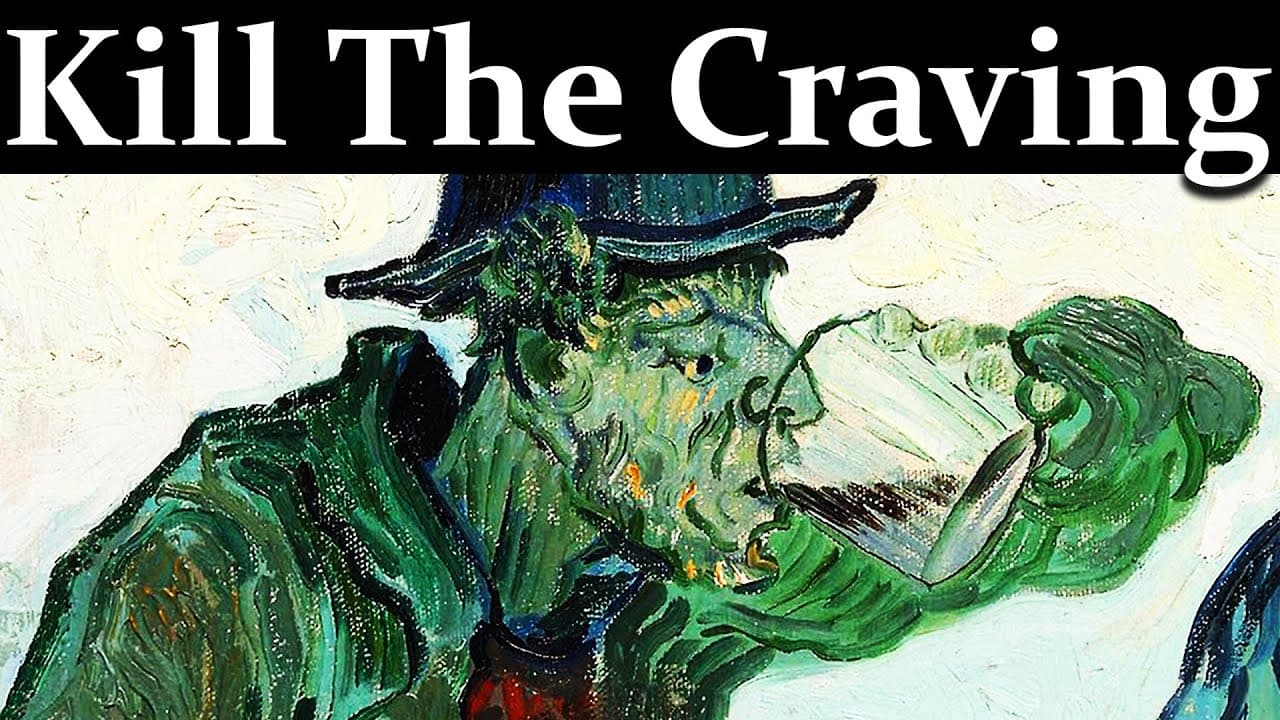
Freud's theory illustrates that self-sabotage stems from a conflict between Eros (life drive) and Thanatos (death drive), which coexist within us. Unconscious impulses reinforce destructive behaviors, while dopamine misguides us into seeking immediate pleasure, perpetuating cycles of procrastination and addiction. Awareness and confronting these hidden forces are key to breaking free from this cycle and fostering personal growth.
Transcript
you are trapped in an invisible cycle A cycle that feeds on your energy your dreams your vitality A cycle that slowly consumes you even when you believe you are in control And no this is not drama This is not an exaggeration It is the brutal reality that most people refuse to see Every day you wake up and carry within you forces that shape every de... Read More
Key Insights
- The video explores the invisible cycle of self-sabotage driven by unconscious forces, highlighting how these cycles consume energy, dreams, and vitality.
- Freud's theory of the death drive (Thanatos) and the life drive (Eros) is examined, explaining how these forces coexist and influence human behavior.
- The role of dopamine in reinforcing destructive behaviors is discussed, emphasizing how modern stimuli hijack this system, leading to addiction and self-sabotage.
- The video highlights the subtle manifestations of Thanatos in daily life, such as procrastination, toxic relationships, and compulsive behaviors.
- It explains the psychological conflict between the id, ego, and superego, which creates resistance to change and perpetuates self-destructive patterns.
- The importance of awareness and confronting repressed pain is emphasized as a crucial step toward breaking free from self-sabotage.
- Strategies for integrating Thanatos and redirecting its energy toward constructive behaviors are discussed, including therapy and self-reflection.
- The video encourages viewers to question their behaviors and make conscious choices that nurture life and growth rather than destruction.
Install to Summarize YouTube Videos and Get Transcripts
Explore YouTube Video Summarizer or Get YouTube Transcript Extractor
Questions & Answers
Q: What is the main concept discussed in the video?
The video primarily discusses Freud's theories of Eros and Thanatos, the life and death drives, and how these unconscious forces contribute to self-sabotage and destructive behaviors. It explores how these drives manifest in modern life and the role of dopamine in reinforcing harmful patterns.
Q: How does the death drive manifest in everyday life?
The death drive, or Thanatos, manifests subtly in everyday life through behaviors like procrastination, compulsive consumption, toxic relationships, and addictions. These actions serve as escape mechanisms that numb pain and avoid confronting deeper psychological conflicts, perpetuating self-destructive cycles.
Q: What role does dopamine play in self-destructive behaviors?
Dopamine plays a crucial role in reinforcing self-destructive behaviors by creating neural pathways associated with reward. Modern stimuli, such as social media and junk food, hijack this system, leading to addictive behaviors that provide fleeting pleasure but ultimately harm the individual.
Q: What psychological conflict perpetuates self-sabotage?
Self-sabotage is perpetuated by the psychological conflict between the id, ego, and superego. The id seeks immediate pleasure, often through destructive behaviors, while the superego imposes guilt and shame. The ego struggles to mediate, leading to resistance and repeated patterns of self-destruction.
Q: Why is awareness important in breaking self-destructive cycles?
Awareness is crucial because it allows individuals to recognize the underlying unconscious forces driving their behaviors. By making the unconscious conscious, people can identify patterns of self-sabotage and begin to reclaim control, making intentional choices that promote life and growth.
Q: What strategies are suggested for overcoming self-sabotage?
The video suggests strategies such as deep self-reflection, therapy, and introspective practices to integrate the death drive and redirect its energy toward constructive behaviors. Building new habits and questioning daily actions are also recommended to weaken destructive neural pathways.
Q: How can individuals differentiate between Eros and Thanatos in their actions?
Individuals can differentiate between Eros and Thanatos by questioning whether their actions serve life and growth (Eros) or contribute to self-destruction (Thanatos). Reflecting on whether behaviors provide genuine fulfillment or merely temporary relief can help identify the underlying drive.
Q: What is the ultimate goal of the video?
The ultimate goal of the video is to provide viewers with a deeper understanding of the psychological forces driving self-sabotage and to offer practical insights for breaking free from these destructive cycles. It aims to empower individuals to make conscious choices that nurture life and personal growth.
Summary & Key Takeaways
-
This video explores the psychological concept of self-sabotage through Freud's theories of Eros and Thanatos, highlighting how unconscious forces shape destructive behaviors. It delves into the role of dopamine in reinforcing these patterns and offers insights into breaking free from the cycle.
-
The discussion emphasizes the subtle manifestations of the death drive in modern life, such as procrastination and addiction, and the psychological conflict between the id, ego, and superego. Awareness and confronting repressed pain are presented as essential steps toward change.
-
The video provides strategies for integrating the death drive and redirecting its energy toward constructive behaviors. It encourages viewers to question their actions and make conscious choices that promote life and growth, offering a path to overcoming self-destructive cycles.
Read in Other Languages (beta)
Share This Summary 📚
Summarize YouTube Videos and Get Video Transcripts with 1-Click
Try YouTube Summary with ChatGPT & Claude or YouTube Transcript Generator
Explore More Summaries from Psyphoria 📚


Summarize YouTube Videos and Get Video Transcripts with 1-Click
Try YouTube Summary with ChatGPT & Claude or YouTube Transcript Generator