What Are the Differences Between Terrestrial Planet Atmospheres?
TL;DR
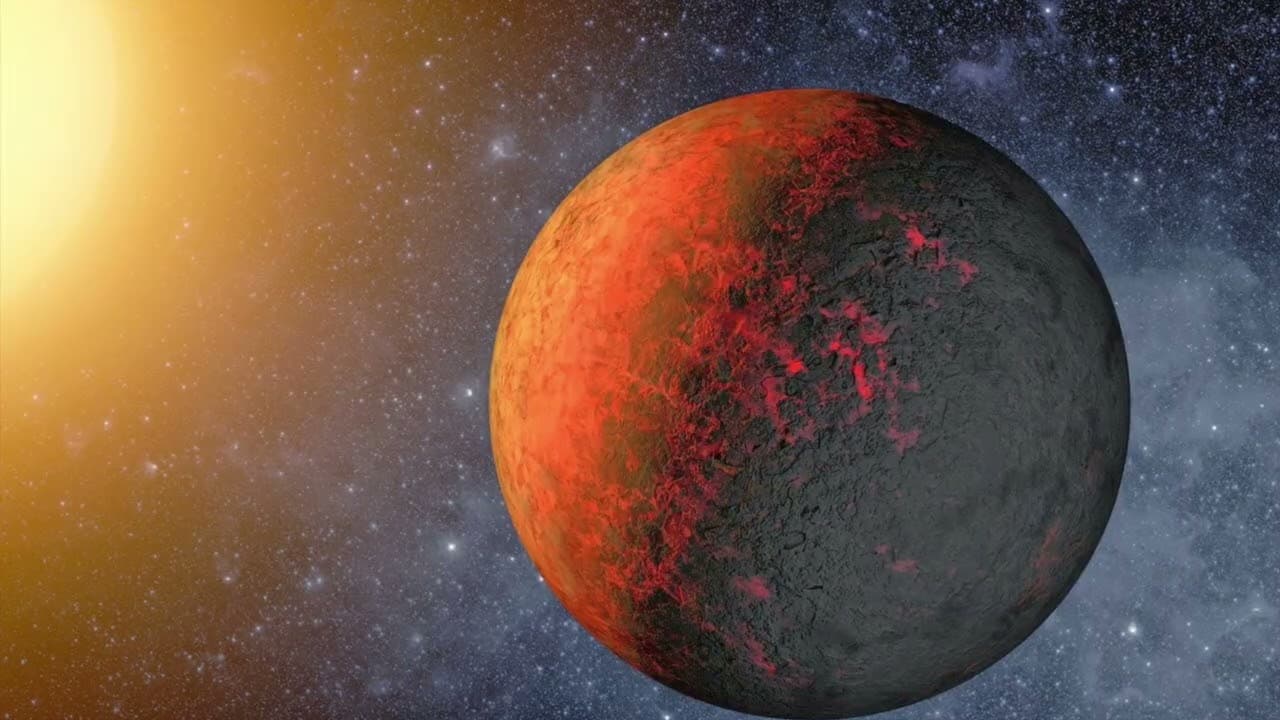
Terrestrial planets in our solar system have vastly different atmospheres, with Mercury being the most oxygen-rich despite its thin atmosphere. Venus and Mars are dominated by carbon dioxide, while Earth has a significant amount of nitrogen, crucial for agriculture. Studying these variations can inform our understanding of exoplanet atmospheres and the potential for life beyond Earth.
Transcript
one of the most striking things about the solar system is that there are huge differences between the atmospheres of each of the planets and it's not just fundamental differences such as the atmosphere of jupiter when compared to earth but also with the terrestrial planets as well for example as far as percentages go rather than actual amounts of g... Read More
Key Insights
- 🪐 The atmospheres of the planets in our solar system vary greatly in composition.
- 🥹 The study of exoplanet atmospheres is still in its early stages, but it holds promising possibilities for understanding the diversity of planetary atmospheres.
- 🤕 Earth's atmosphere will undergo changes as the sun ages, and the possibility of terraforming other planets in the solar system exists.
- 🌍 Analyzing exoplanet atmospheres may provide clues about the rarity of Earth-like systems and the possibility of life elsewhere.
Install to Summarize YouTube Videos and Get Transcripts
Explore YouTube Video Summarizer or Get YouTube Transcript Extractor
Questions & Answers
Q: Which planet in our solar system has the most oxygen in its atmosphere?
Contrary to popular belief, Mercury actually has the most oxygen in its atmosphere, although it is tenuous compared to Earth's.
Q: Why does Earth have such a high amount of nitrogen in its atmosphere?
Nitrogen is volatile and does not react with Earth's surface materials, allowing it to remain in the atmosphere. It also does not break down under the sun's radiation.
Q: Why don't Mars and Venus have significant amounts of nitrogen in their atmospheres?
Venus has a high amount of nitrogen, but its dense atmosphere is dominated by carbon dioxide. Mars, on the other hand, lost most of its nitrogen through atmospheric loss and chemical processes.
Q: How does the study of exoplanet atmospheres provide insights into the possibility of life?
By analyzing the compositions of exoplanet atmospheres, scientists can search for biosignatures or technosignatures that might indicate the presence of life or industrial civilizations.
Summary & Key Takeaways
-
The atmospheres of the planets in our solar system differ greatly, with Earth not being the most oxygen-rich.
-
Venus and Mars are dominated by carbon dioxide, while Earth has a significant amount of nitrogen.
-
Nitrogen plays a crucial role in agriculture and can be fixed in the soil by certain plants.
Read in Other Languages (beta)
Share This Summary 📚
Summarize YouTube Videos and Get Video Transcripts with 1-Click
Try YouTube Summary with ChatGPT & Claude or YouTube Transcript Generator
Explore More Summaries from John Michael Godier 📚


Summarize YouTube Videos and Get Video Transcripts with 1-Click
Try YouTube Summary with ChatGPT & Claude or YouTube Transcript Generator