Why Is Economic Protectionism Rising in the Global Economy?
TL;DR
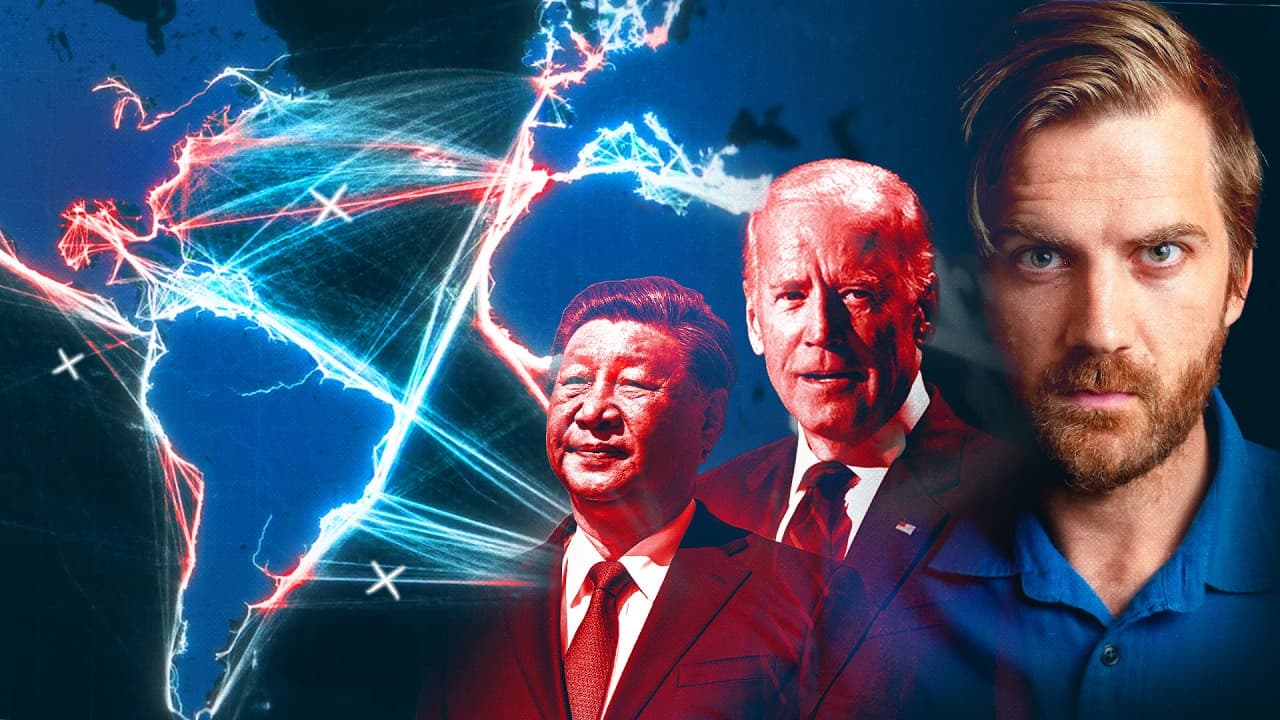
Economic protectionism is on the rise as governments confront job losses, environmental concerns, and vulnerabilities exposed by the COVID-19 pandemic. Many nations are prioritizing domestic industries and securing supply chains to mitigate the influence of rivals like China. This shift aims to protect national interests but may lead to heightened tensions and disrupted global supply chains.
Transcript
(suspenseful music) (horn blares) (crowd applauds) (camera shutter clicks) - [Johnny] The US government is quietly reshaping the global economy in ways that will change our world forever. (tense music) You can see this in just one sentence from Joe Biden's first address to Congress. (Congress applauding) - Think about it, there is simply no reason ... Read More
Key Insights
- 🥶 The global economy has been shaped by free trade and globalization, resulting in increased interconnectivity, economic growth, and improved living standards for many.
- 😮 Job losses due to offshoring and the rise of China's economic power have fueled skepticism and concerns about the global economic system.
- 🧑🏭 Environmental factors and supply chain vulnerabilities revealed during the COVID-19 pandemic have highlighted the need for more localized production and resilient domestic industries.
- 🌍 The shift towards economic protectionism is driven by the desire to protect national interests, secure supply chains, and curb the influence of rival nations like China.
- 🌍 The effectiveness and potential consequences of economic protectionist policies remain uncertain, and it may strain international relationships and geopolitical dynamics.
- 🥺 Economic protectionism, while addressing certain concerns, can potentially lead to retaliatory measures, disrupted global supply chains, increased costs for consumers, reduced economic growth, and heightened tensions between countries.
Install to Summarize YouTube Videos and Get Transcripts
Explore YouTube Video Summarizer or Get YouTube Transcript Extractor
Questions & Answers
Q: Why has there been a shift towards economic protectionism?
The shift towards protectionism is driven by various factors, including job losses, environmental concerns, supply chain vulnerabilities, and the rise of China as an economic and military power.
Q: How are governments implementing economic protectionist policies?
Governments are subsidizing domestic industries, imposing tariffs on imports, increasing scrutiny on foreign investments, and incentivizing the localization of supply chains.
Q: What are the potential consequences of economic protectionism?
Economic protectionism can lead to retaliatory measures from other countries, disrupted global supply chains, increased costs for consumers, reduced economic growth, and heightened geopolitical tensions.
Q: How does economic protectionism impact global cooperation?
Economic protectionism undermines the idea of a unified global market and can strain international relationships, potentially leading to increased conflicts and tensions between countries.
Summary & Key Takeaways
-
The global economy has been shaped by free trade and globalization, which have led to increased interconnectivity and economic growth.
-
However, recent developments, such as job losses, environmental concerns, supply chain vulnerabilities, and the rise of China, have sparked a shift towards economic protectionism.
-
Governments around the world are implementing policies to protect domestic industries, secure supply chains, and curb the influence of rival nations like China.
Read in Other Languages (beta)
Share This Summary 📚
Summarize YouTube Videos and Get Video Transcripts with 1-Click
Try YouTube Summary with ChatGPT & Claude or YouTube Transcript Generator
Explore More Summaries from Johnny Harris 📚




Summarize YouTube Videos and Get Video Transcripts with 1-Click
Try YouTube Summary with ChatGPT & Claude or YouTube Transcript Generator