How to cut indoor toxins and improve home air quality
TL;DR
Shoes off at the door dramatically reduces outside contaminants entering the home. Use air quality monitors and high efficiency filters, test for radon and CO2, and replace plastics with safer materials where possible to minimize toxins. These steps show quick, measurable improvements in indoor air quality and overall health.
Transcript
Going to Brian's house. Going to Brian's house. Hey, welcome. Come on in. Thanks. Oh. Oh, yeah. If you wouldn't mind. Oh, yep. Sorry about that, Bri. Today, we're going to talk about the contaminants in your home and the things you can do to remove them. Starting with that which is in your entryway. The thing to be aware of is the first four steps ... Read More
Key Insights
- The key to cleaner indoor air is reducing external contaminant entry at the door by removing shoes.
- The HVAC system and high grade filters are the first line of defense for air quality in most homes.
- Air quality can be tracked with PM2.5, PM1, PM10 sensors and CO2 readings to assess filtration and ventilation.
- Radon, smoke alarms, and carbon monoxide detectors are essential safety tools that should be tested regularly.
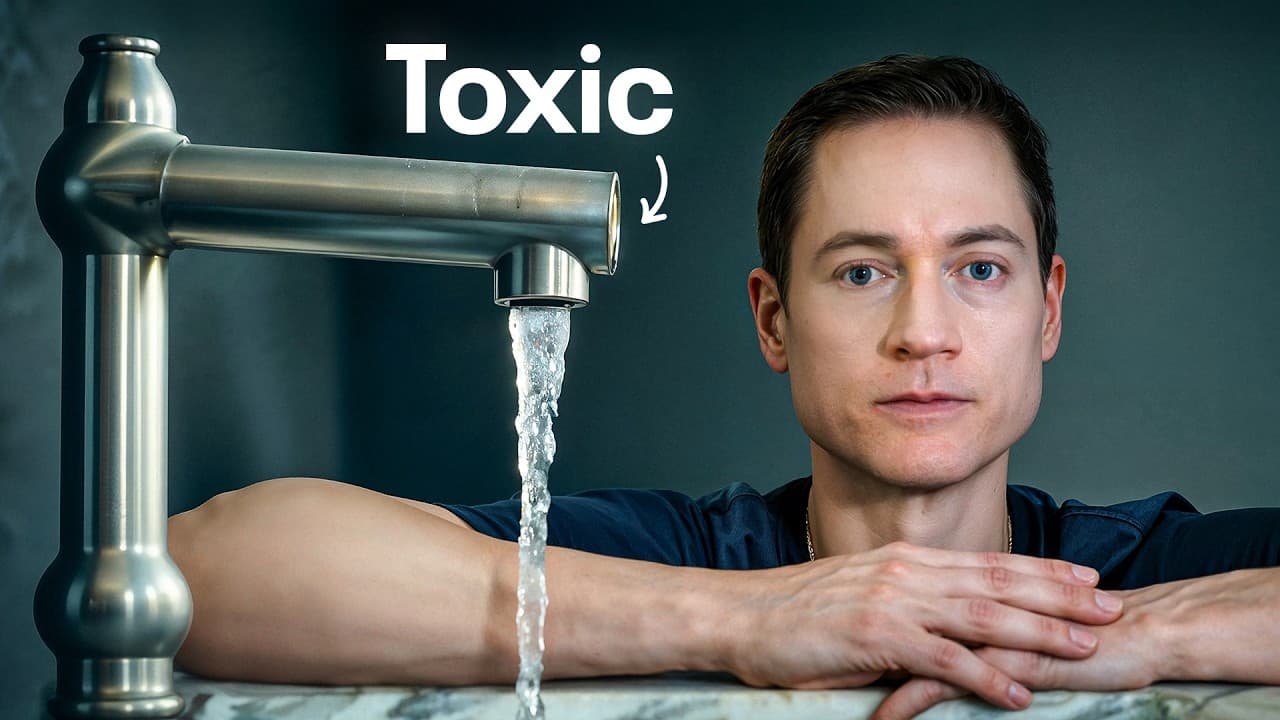
- Water quality matters, and using a reverse osmosis filtration system can drastically reduce dissolved substances in tap water.
- Avoiding plastics and non-stick pans reduces exposure to potentially harmful chemicals like PAS.
- Gas stoves increase nitrogen dioxide and fine particles, so switching to induction can lower indoor pollutants.
- Lighting choices, such as dim red LEDs before bed, can improve sleep quality by supporting natural melatonin cycles.
- More videos from this channel:
- More from this channel: Bryan Johnson
Install to Summarize YouTube Videos and Get Transcripts
Explore YouTube Video Summarizer or Get YouTube Transcript Extractor
Questions & Answers
Q: How can I reduce contaminants when entering my home and why does it matter?
Removing shoes at the door reduces the amount of outside contaminants tracked into living spaces, which matters because those contaminants can inside track deeper into your home and potentially affect health. The basic step is easy to implement and serves as the first line of defense in a broader plan to reduce toxins. Regularly cleaning entryways and using doormats can reinforce this habit and minimize particle intrusion.
Q: What role do air quality sensors play in maintaining a healthy home?
Air quality sensors provide ongoing data about indoor pollutants such as PM2.5, PM1, PM10, and CO2 levels. By monitoring these metrics, you can verify whether air purifiers or HVAC filters are working effectively and adjust usage accordingly. Real-time data helps you identify spikes, assess ventilation needs, and maintain a healthier indoor environment over time.
Q: Why is upgrading HVAC filtration important, and what should I know before changing filters?
HVAC filtration is a primary defense against indoor toxins. Higher rated filters like MERV 13 capture more PM2.5 than lower ratings, but you must ensure your system can handle the filter size without causing problems. Upgrading improves filtration efficiency, but consult your system specifications to avoid compatibility issues and maintain airflow and equipment longevity.
Q: What safety detectors should be in every home and how often should they be tested?
Every home should have smoke alarms, carbon monoxide detectors, and radon testing. These devices protect against fire, CO poisoning, and radon exposure, which is linked to lung cancer risk. Test smoke and CO alarms monthly and radon levels regularly to ensure warning systems work when needed and to maintain a safe living space.
Q: How does water filtration impact health, and is RO the right choice?
Tap water can contain heavy metals and other dissolved substances; a reverse osmosis system significantly reduces these contaminants, producing cleaner water. Filtration systems vary in cost and maintenance, but regular filter replacement is essential. Testing and documenting water quality helps you track improvements and ensure the water you drink is safer.
Q: Why should I avoid plastic and non-stick cookware, and what alternatives work best?
Plastic items and non-stick pans can introduce chemicals into your food and environment, so replacing them with materials like food-grade stainless steel or cast iron reduces exposure to potentially harmful substances. The goal is to minimize the presence of plastics and PAS in everyday kitchen use for long-term health benefits.
Q: What cooking equipment changes can lower indoor pollution from gas stoves?
Gas burners release nitrogen dioxide and fine particles that can affect respiratory health and asthma risk in children. Replacing a gas stove with an induction stove reduces these pollutants and improves indoor air quality. This change, paired with good ventilation practices, helps create a safer cooking environment.
Q: How can lighting and sleep routines influence long-term health?
Light exposure affects sleep by influencing melatonin production. Using low-cost red LEDs before bed reduces blue light exposure and can improve sleep quality. Creating a dark, quiet, and dim environment helps the body wind down and supports healthier sleep patterns, which contribute to overall well-being and toxin management over time.
Summary & Key Takeaways
-
The home health routine starts at the entryway with removing shoes to reduce contaminant tracking and requires air quality monitoring to verify improvements.
-
Upgrading HVAC filters to higher MERV ratings and using dedicated sensors helps detect and reduce PM2.5, CO, and other pollutants while validating purifier effectiveness.
-
A combination of safer materials, reduced plastic, and sleep oriented adjustments like blackout and low blue light supports long-term health and cleaner living spaces.
Read in Other Languages (beta)
Share This Summary 📚
Summarize YouTube Videos and Get Video Transcripts with 1-Click
Try YouTube Summary with ChatGPT & Claude or YouTube Transcript Generator
Explore More Summaries from Bryan Johnson 📚

Summarize YouTube Videos and Get Video Transcripts with 1-Click
Try YouTube Summary with ChatGPT & Claude or YouTube Transcript Generator