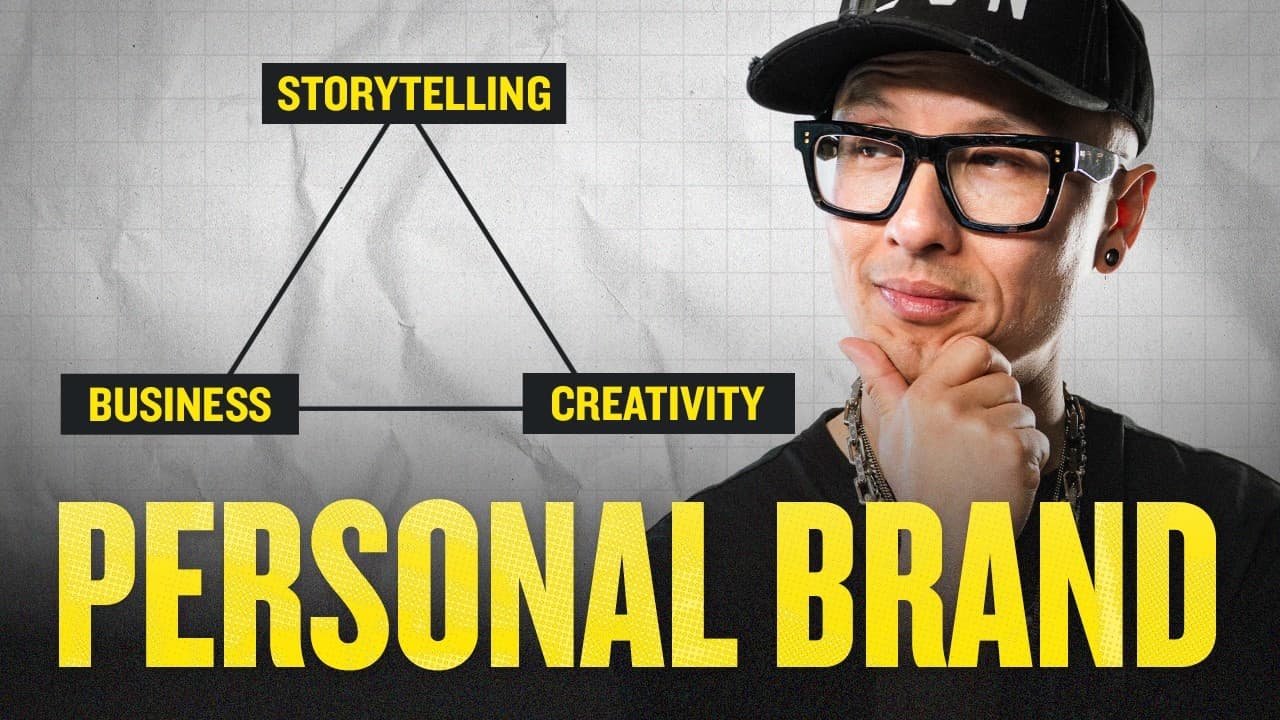
How to balance business and creativity for branding
TL;DR
You don’t need to be naturally creative to build a strong brand. Remember your creative soul and let it shine, then focus on progress over perfection. Share authentic struggles, not just polished success, to connect with your audience and grow your brand.
Transcript
so there are people who are really good at business but they're not creative and then there's also people who are creatives but they're terrible at business the best is when you can do both not only is this possible there's actually a blueprint for this the thing I hear so much from all of you is but I'm not creative I'm not creative we don't grow ... Read More
Key Insights
- Creativity is a blend of personal voice and business language, not a distant talent. The best creatives speak both the language of art and the language of business to build influence.
- Progress over perfection is a core principle; repeated practice yields improvement and reduces the fear of failure. The first step is often the hardest, but starting creates momentum for later iterations.
- Authenticity fuels connection; audiences respond to vulnerability and real struggles more than flawless success stories. Sharing honest experiences helps people see you as relatable and trustworthy.
- Creativity can be learned by remixing familiar ideas in small, recognizable tweaks that feel new yet accessible to viewers. Subtle tweaks in copy, visuals, and framing can elevate a concept without a radical overhaul.
- Storytelling is central to branding; effective narratives align with audience needs and present ideas in a clear, memorable sequence. Repetition plus a surprising twist can reinforce the message and stay top of mind.
- Self-sabotage in content creation often stems from fear or perfectionism; addressing inner dialogue and building confidence are essential for consistent output.
- Vulnerability is a powerful branding tool when used with intention; revealing real challenges or behind-the-scenes processes creates trust and long-term engagement.
- Remixing culture and existing formats allows creators to produce fresh content without inventing from scratch. Recognizing what resonates helps in crafting better messages and campaigns.
- More videos from this channel:
- More from this channel: The Futur
Install to Summarize YouTube Videos and Get Transcripts
Explore YouTube Video Summarizer or Get YouTube Transcript Extractor
Questions & Answers
Q: A real search query question about the video (e.g. 'How to...', 'What is...', 'Why does...', 'When should...'). Question 1
How can a creator balance business goals with creative expression while building a personal brand? The answer is to treat creativity as a language you already know and to pair it with business principles. Start by identifying your core creative strengths and the business outcomes you want, then align content strategies to support both. Practice regularly, seek feedback, and iterate to improve while keeping your authentic voice front and center.
Q: Question 2
What does progress over perfection look like in practice for social content? It means posting more often with imperfect but honest content, then using feedback to refine ideas. Focus on small, repeatable steps rather than waiting for a perfect concept. The goal is consistency over time, which builds momentum and audience trust.
Q: Question 3
Why is authenticity important for audience connection, and how can you reveal it without overexposing yourself? Authenticity creates relatability; sharing genuine struggles and behind the scenes adds human depth. Start with a few personal but professional insights that illustrate your values, then gradually open up as you gauge audience response. Balance transparency with boundaries to maintain professionalism.
Q: Question 4
How do you handle self doubt when creating content? Address self talk by framing limitations as opportunities for learning. Seek external perspectives from mentors or therapists if possible, and practice self-compassion. Build a habit of starting with a small, doable task and gradually increase complexity as confidence grows.
Q: Question 5
What role does storytelling play in branding according to the discussion? Storytelling connects with audiences by conveying meaning and value beyond products. Structure stories with clear arcs, relate them to audience needs, and use repeated motifs or phrases for recall. Good storytelling makes branding feel personal and memorable.
Q: Question 6
What is the value of vulnerability in content creation? Vulnerability invites trust and demonstrates humanity. By sharing realistic challenges or learning moments, creators become more relatable and credible. It should be deliberate, aligned with brand values, and complemented with actionable takeaways for viewers.
Q: Question 7
How can remix culture improve creative output? Remixing familiar ideas with subtle twists creates novelty without starting from scratch. Studying successful examples and reinterpreting them in your own voice helps produce content that stands out while feeling approachable to the audience.
Q: Question 8
What is a practical first step to unleash your inner creative soul? Begin by remembering or identifying your creative strengths and choosing a small project that showcases them. Then share a version of it publicly, gather feedback, and iterate. This incremental approach keeps motivation high and reduces fear of failure.
Summary & Key Takeaways
-
This episode argues that creativity can be balanced with business by embracing your inner creative voice and showing up consistently. It stresses that progress beats perfection and that consistency builds brand momentum. Viewers learn to share authentic experiences to connect with their audience.
-
The conversation highlights that creativity is remixable and teachable, not a rare gift. It emphasizes understanding audience needs, telling meaningful stories, and avoiding self sabotage. The host also discusses the value of vulnerability and honest self-evaluation in branding.
-
The discussion provides practical steps for building a personal brand, including storytelling, authenticity, and aligning business goals with creative expression. It cautions against flashy but hollow content and encourages iterative improvement and genuine connection with followers.
Read in Other Languages (beta)
Share This Summary 📚
Summarize YouTube Videos and Get Video Transcripts with 1-Click
Try YouTube Summary with ChatGPT & Claude or YouTube Transcript Generator
Explore More Summaries from The Futur 📚
Summarize YouTube Videos and Get Video Transcripts with 1-Click
Try YouTube Summary with ChatGPT & Claude or YouTube Transcript Generator