Why Does South Africa Keep Losing Power?, BBC News
TL;DR
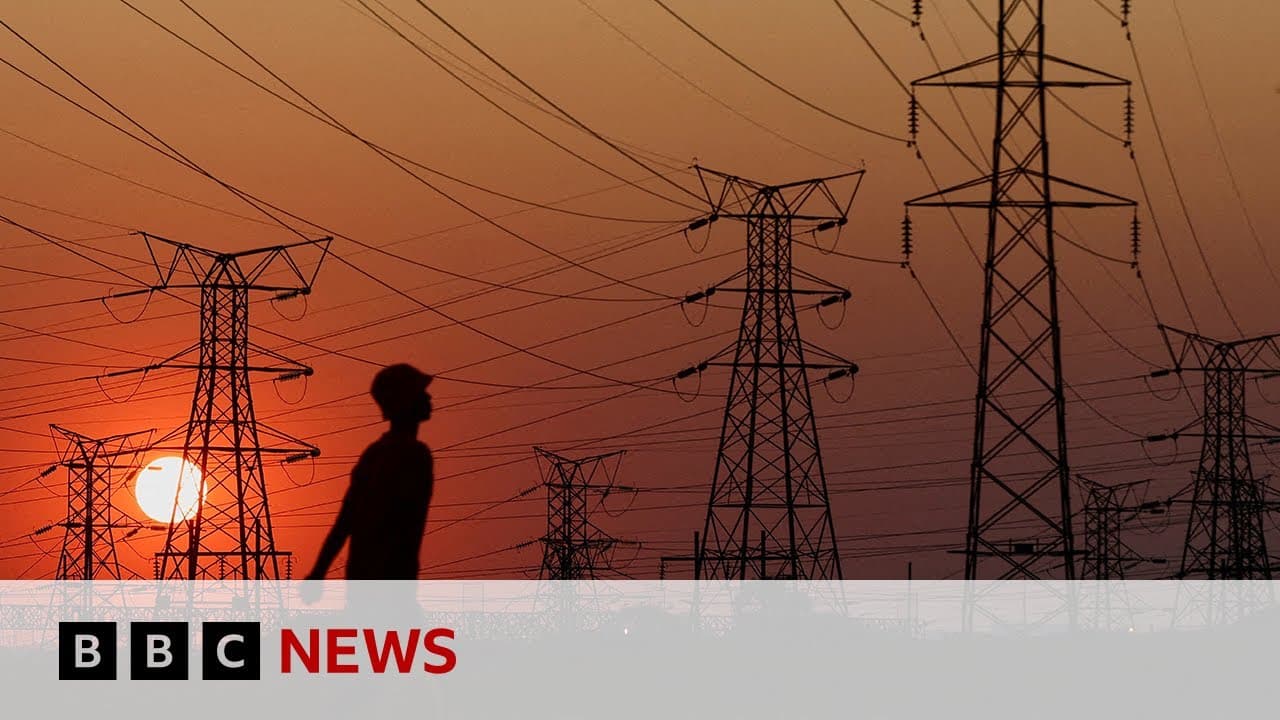
South Africa keeps losing power because its coal-based electricity system has been weakened by decades of mismanagement, corruption, looting, and deliberate sabotage. Daily load shedding can leave poor neighborhoods such as Alexandra without electricity for four, eight, or more hours, stopping businesses and workers from earning money. Read on to understand how criminal coal networks deepen the crisis and why a transition to wind and solar remains difficult.
Transcript
it is going to be a cold Dark Night for many South Africans with Stage six load shedding announced South Africa is sinking into crumbling power system no longer able to keep the lights on poorest here hit hardest after 20-25 years you're gonna have to close down yes power crisis is the result of Decades of mismanagement and massive corruption crimi... Read More
Key Insights
- Load shedding is a daily economic and social crisis in South Africa, with outages sometimes lasting four, eight, or more hours. The cuts prevent factories and small businesses from operating, reduce workers’ earnings, disrupt traffic systems, and deepen poverty in already disadvantaged communities.
- Poor communities are hit hardest by electricity failures because residents and small businesses have limited capacity to absorb lost income. In Alexandra Township, bar and hair salon operators describe dark premises, idle working hours, unpaid salaries, severe stress, and the possibility of closing permanently.
- South Africa’s power crisis is rooted in decades of mismanagement, massive corruption, looting, and sabotage. Reported schemes include protective equipment priced up to 800 times higher, rocks placed in coal supplies, pumping stations deliberately jammed, and infrastructure damaged to generate lucrative repair contracts.
- Criminal networks are embedded in parts of the coal economy, where at least 60 alleged illegal coal sites operate in one region. Local sources describe armed gangs, gunfire, threats, politically connected actors, and hired killers, while journalists and businesspeople face severe risks for exposing wrongdoing.
- Coal remains central to South Africa’s electricity supply, providing 85 percent of the power consumed in the country. This dependence makes reform difficult because mines, power stations, workers, unions, political interests, criminal organizations, and surrounding communities are all tied to the industry.
- Coal pollution is presented as a direct health threat to communities near mines and power plants. Leaked studies described in the report suggest the province is among the world’s most polluted places, while residents and campaigners say coal is causing illness and killing thousands annually.
- Renewable energy offers a practical alternative because South Africa has abundant wind and solar resources described as among the best in the world. Supporters argue that these resources could enable a rapid transition toward a renewable-dominant electricity system using lower-cost options already available to the country.
- The Just Energy Transition faces economic and political resistance despite its $8 billion backing from Western nations. Coal workers fear permanent job losses, senior political figures reject pressure to abandon coal, and advocates warn that delayed decarbonization could exclude South African exports from global markets.
Install to Summarize YouTube Videos and Get Transcripts
Explore YouTube Video Summarizer or Get YouTube Transcript Extractor
Questions & Answers
Q: Why does South Africa keep losing power?
South Africa’s power system can no longer provide factories, businesses, and communities with reliable electricity. The report attributes the crisis to decades of mismanagement, massive corruption, looting, and sabotage at coal-fired power stations.
Q: What is load shedding in South Africa?
Load shedding is the official term for planned power cuts used when the electricity system cannot keep the lights on continuously. In Alexandra Township, the power goes out every day, sometimes for four hours and sometimes for eight or more.
Q: How do South Africa’s power cuts affect poor communities?
Power cuts stop people from working, earning salaries, and keeping small businesses open. In Alexandra Township, a longtime bar owner fears closure, while workers at a neighboring business can spend more than six hours doing nothing and may not get paid.
Q: How do power shortages damage South Africa’s economy?
Factories and industry cannot produce normally without the electricity they need. The resulting slowdown costs people jobs and income, worsening poverty and limiting opportunities such as education.
Q: How are criminal gangs connected to South Africa’s coal industry?
Criminal gangs compete for money from coal that is stolen or traded illegally. The report describes dangerous illegal mining activity, gunfire between rival gangs, threats against investigators, and a system in which hired killers can be obtained.
Q: What corruption and sabotage occur at South African power stations?
Schemes include inflating the cost of protective gear by up to eight hundred times and deliberately damaging essential equipment. Pumping stations are jammed and rocks are placed in coal supplies, after which contractors are brought in to perform repairs at further inflated prices.
Q: Why are South Africa’s coal-fired power plants unreliable?
Plants such as Tutuka are barely functioning after years of mismanagement, looting, and sabotage. Criminality around the facilities is serious enough that the plant’s previous manager wore body armor to work.
Q: Can renewable energy help solve South Africa’s power crisis?
Wind and solar are presented as the basis of a green energy transition because South Africa has huge resources of both. However, the report says the move away from coal is proving difficult and dangerous amid entrenched corruption, criminal gangs, and a deeply damaged power system.
Summary & Key Takeaways
-
South Africa’s failing electricity system imposes daily load shedding that can leave communities without power for four, eight, or more hours. The interruptions stop businesses from operating, deprive workers of wages, disrupt traffic lights, weaken industrial production, and intensify unemployment and poverty, with poor neighborhoods such as Alexandra suffering particularly severe consequences.
-
Coal supplies 85 percent of South Africa’s consumed electricity, but the industry is associated with dangerous pollution, illegal mining, theft, corruption, and violence. Power stations have also suffered mismanagement and sabotage, including damaged pumps, rocks placed in coal supplies, and attacks on infrastructure that create opportunities for contractors to perform overpriced repairs.
-
An $8 billion Just Energy Transition backed by Western nations could help South Africa use its extensive wind and solar resources and reduce coal dependence. However, miners and unions fear job losses, political figures defend coal, and entrenched criminal and political interests obstruct reform. Delayed decarbonization could also threaten exports and employment.
Read in Other Languages (beta)
Share This Summary 📚
Summarize YouTube Videos and Get Video Transcripts with 1-Click
Try YouTube Summary with ChatGPT & Claude or YouTube Transcript Generator
Explore More Summaries from BBC News 📚





Summarize YouTube Videos and Get Video Transcripts with 1-Click
Try YouTube Summary with ChatGPT & Claude or YouTube Transcript Generator