What Is Happiness: Why Meaning and Connections Drive Longevity
TL;DR
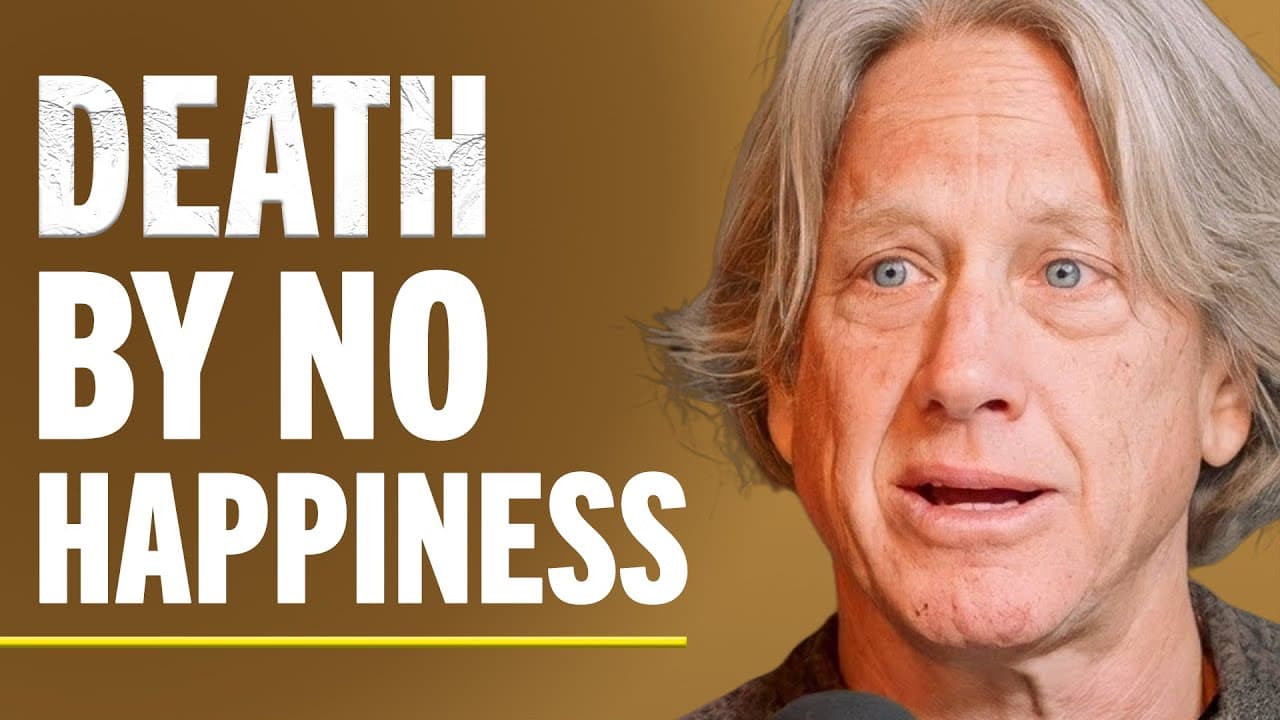
Happiness hinges on meaning and social ties, not just money. Money matters for the very poor, but for most people it is social connections that extend life and improve well being. Awe and gratitude also influence physiology, reducing stress and inflammation, linking inner meaning to longer life.
Transcript
you have been researching lecturing teaching happiness for many many years now as sing stand in 2023 how do you think about happiness that's a terrific question you know um people have been thinking about happiness for Millennia and since we started thinking about The Human Condition one of the first questions that always arise is is you know what ... Read More
Key Insights
- Happiness is now viewed as a quest for meaning rather than just wealth or pleasure.
- Money matters most for the poor, and its impact on happiness is limited for others.
- Social connections embedded in a community strongly influence happiness and can extend life expectancy by about ten years.
- Awe activates the vagus nerve and reduces stress related brain activity, contributing to better health.
- Pleasures and material gains can undermine happiness when they replace meaningful social ties.
- Meaningful work and clear roles in daily life contribute to a sense of purpose and satisfaction.
- Gratitude and prosocial behavior have been shown to improve well being and can affect longevity.
- Public policy that supports the poor can significantly influence life expectancy by altering happiness drivers.
- More videos from this channel:
- More from this channel: Dr Rangan Chatterjee
Install to Summarize YouTube Videos and Get Transcripts
Explore YouTube Video Summarizer or Get YouTube Transcript Extractor
Questions & Answers
Q: What factors are most strongly associated with longer life expectancy according to the discussion?
The discussion highlights that social connectedness and being embedded in a culture or community contribute to longer life expectancy, with the example of a doorman showing daily meaningful interactions. It also notes that gratitude, compassion, and serving others can provide several years of additional life expectancy, comparable to other major lifestyle factors.
Q: How does money influence happiness differently for those who are poor versus those who are not?
Money matters a lot if you don’t have it, helping with basic needs like food and children’s shoes. For people who are not poor, money’s impact on happiness is smaller; increasing wealth beyond a certain point does not translate into proportional gains in well being, though it can still influence daily living when basic needs are at risk.
Q: What is the role of social connections in happiness according to the speaker?
Social connections are central to happiness; being embedded in a supportive community and maintaining daily interactions, like those with a doorman, contributes to a sense of belonging and meaning. This social embeddedness is linked to longer life expectancy and overall well being.
Q: What is awe and how does it relate to health, according to the conversation?
Awe is described as encountering something vast and mysterious beyond our frame of reference. It relates to health by activating physiological pathways such as the vagus nerve and reducing inflammation, which helps calm the body and supports heart health, contributing to better overall well being.
Q: What did the speaker say about the sacred or transcendental in relation to happiness?
The speaker discusses a realm beyond transactional values, where meaning, sacred, and everyday wonder come into play. This realm includes helping others, addressing injustice, and finding beauty, which are linked to deeper happiness beyond money and status.
Q: How does the evidence link happiness practices to life expectancy?
The evidence cited suggests that practices like gratitude, compassion, and forgiveness have measurable effects on life expectancy. When people cultivate happiness through these practices, they gain several years of life, similar in magnitude to major health risk factors.
Q: What changes in public understanding of happiness does the dialogue illustrate?
There is a shift from viewing happiness as material success to recognizing its link with meaning and community. This includes understanding that money helps the poor but has limited impact for many, while social relationships and awe contribute to longer, healthier lives.
Q: Why is meaning considered essential in the modern view of happiness?
Meaning provides a framework beyond daily pleasures or material success, guiding people toward purposeful activities such as helping others, fostering relationships, and engaging with larger existential questions. This sense of purpose is associated with better well being and longer life, especially in challenging times.
Summary & Key Takeaways
-
Happiness is increasingly seen as a quest for meaning beyond material gains, a shift from purely emotional or pleasures to purpose and belonging.
-
Money matters mainly when people are poor, and its impact on well being shrinks for those with adequate resources, while social connectedness can extend life expectancy.
-
Scientific evidence links positive feelings like gratitude and awe to physiological benefits including reduced inflammation and calmer neural activity, supporting longer, healthier lives.
Read in Other Languages (beta)
Share This Summary 📚
Summarize YouTube Videos and Get Video Transcripts with 1-Click
Try YouTube Summary with ChatGPT & Claude or YouTube Transcript Generator
Explore More Summaries from Dr Rangan Chatterjee 📚




Summarize YouTube Videos and Get Video Transcripts with 1-Click
Try YouTube Summary with ChatGPT & Claude or YouTube Transcript Generator