How to move more after 40 without guilt
TL;DR
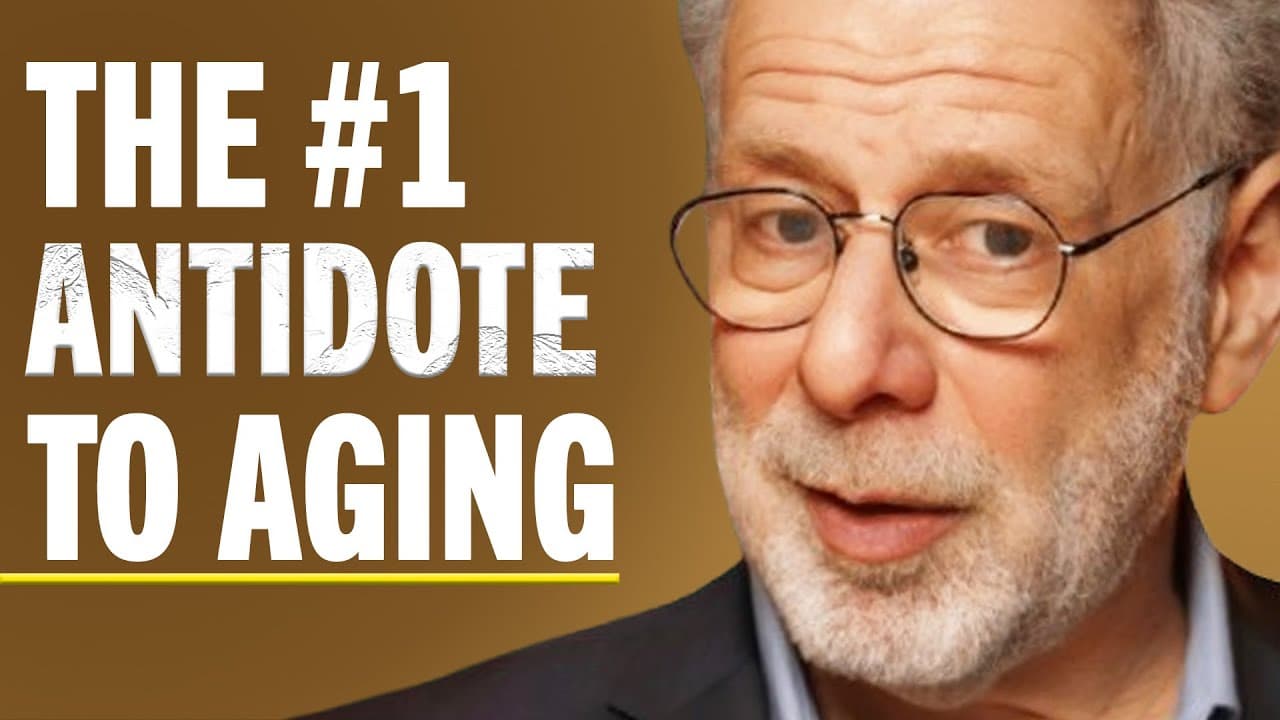
The key is to make physical activity discretionary and rewarding, not a forced ritual. Humans evolved for active living and thrive when movement is integrated with daily life rather than treated as a dreaded gym task. Small, enjoyable activities that fit your routine can improve health without the stigma of the exercise pill.
Transcript
I wanted to start with this apparent Paradox this idea that exercise is something that is really really good for us on so many levels yet at the same time it's not necessarily something that we have evolved to want to do oh I would say we didn't evolve to do it at all but yeah that Paradox is what really motivated my last book exercise and maybe to... Read More
Key Insights
- Exercise is defined as discretionary physical activity for health and fitness, not an inevitable modern habit.
- Our instinctual bias favors saving energy, which makes voluntary exercise feel unrewarding unless it is enjoyable or needed.
- Modern society often medicalizes exercise as a pill, leading to low adherence and guilt when people skip workouts.
- Humans evolved to be more physically active than other primates, enabling us to live longer and healthier lives.
- There is a contrast between a hunter gatherer lifestyle and modern routines, where movement should be integrated rather than forced.
- Sustainability matters: small, daily activities that are rewarding are more effective than aggressive, unsustainable regimens.
- The way we sit matters, not just how long we sit, suggesting adjustments to daily postures can impact health.
- Movement and strength maintenance become more critical with age to preserve function and prevent decline.
- More videos from this channel:
- More from this channel: Dr Rangan Chatterjee
Install to Summarize YouTube Videos and Get Transcripts
Explore YouTube Video Summarizer or Get YouTube Transcript Extractor
Questions & Answers
Q: What is the proposed definition of exercise in the video?
Exercise is defined as discretionary physical activity for the sake of health and fitness, not a mandatory or obligatory task. It emphasizes voluntary engagement and the idea that activity should be integrated into daily life because it is rewarding or necessary, rather than forced by external expectations.
Q: Why do humans tend to avoid exercising according to the discussion?
Humans have an instinct to save energy, which makes unnecessary voluntary activity feel unrewarding. In modern settings, exercise is often seen as a chore or pill, leading to guilt when skipped and reducing motivation to engage consistently.
Q: How does the speaker describe the difference between hunter gatherers and modern exercisers?
Hunter gatherers were physically active out of necessity, not for health goals. In contrast, modern exercisers often pursue planned workouts that can feel disconnected from daily life, making sustained action harder without a rewarding context.
Q: What analogy is used to illustrate the motivation behind stairs versus escalators?
The speaker notes that people, including hunter gatherers, tend to take escalators because it saves energy, while stairs require more effort. This illustrates the instinct to conserve energy and the challenge of choosing activity in modern environments.
Q: What is the suggested way to think about movement as we age?
Movement should be maintained through activities that are sustainable and rewarding, with a focus on strength and regular activity rather than intense, sporadic workouts. This approach helps preserve function and health with aging.
Q: What critique is offered about the current medical framing of exercise?
The video critiques the medicalization of exercise as a pill or magic solution, which can undermine motivation and adherence. A reframing toward enjoyable, integrated movement may improve long term engagement.
Q: What role do traditional lifestyles play in understanding movement?
Studying traditional populations helps reveal how movement is embedded in daily life and how energy expenditure and activity patterns differ from sedentary modern life, offering insights into sustainable ways to stay active.
Q: How should individuals approach movement to avoid guilt and burnout?
People should aim for movement that is discretionary, enjoyable, and integrated into daily routines, rather than forcing high intensity workouts. By focusing on small, rewarding activities, adherence improves and the overall health benefits are more likely to materialize.
Summary & Key Takeaways
-
A practical overview explains that exercise is a modern, discretionary activity aimed at health, not an inherent habit for all people in every context. It argues for reframing activity to fit life, reducing guilt and shame around movement.
-
The discussion highlights that humans differ from hunter gatherers in how they move, and that sustainable activity should be rewarding and integrated, not extreme or isolated, to reduce resistance and improve adherence.
-
The conversation links traditional lifestyles to mechanisms of movement, strength maintenance, and aging, emphasizing that staying active as we age preserves function and may influence disease risk, without relying on relentless workouts.
Read in Other Languages (beta)
Share This Summary 📚
Summarize YouTube Videos and Get Video Transcripts with 1-Click
Try YouTube Summary with ChatGPT & Claude or YouTube Transcript Generator
Explore More Summaries from Dr Rangan Chatterjee 📚
Summarize YouTube Videos and Get Video Transcripts with 1-Click
Try YouTube Summary with ChatGPT & Claude or YouTube Transcript Generator