What Is the Krack WiFi Exploit and How Can You Protect Yourself?
TL;DR
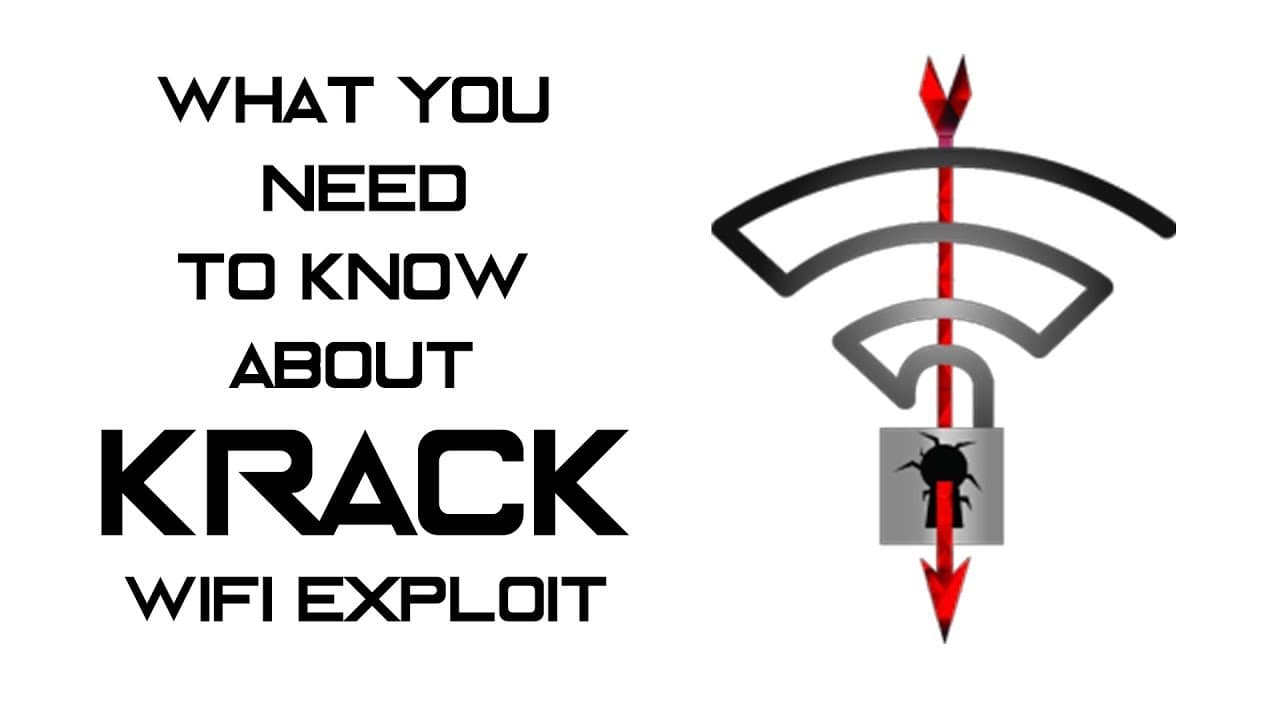
The Krack WiFi exploit allows attackers to intercept data sent over Wi-Fi networks, especially on public networks. To protect yourself, avoid using public Wi-Fi, use a VPN for added security, and ensure that websites are encrypted with HTTPS before sharing sensitive information. Be cautious, as major companies are working on patches but risks remain until updates are available.
Transcript
hey guys what's going on it's not here from Nova spirit Tech and I wanted to set up this raw vlog for you guys just to get the news out there now if you haven't heard already does this new exploit called the crack which affects anybody with a Wi-Fi signal that's including you guys me anyone that has a cellphone laptop anything with a Wi-Fi signal s... Read More
Key Insights
- 🖐️ The "crack" vulnerability exposes all Wi-Fi users to risks, particularly on public networks.
- 💁 Sensitive information such as banking details can be intercepted with this exploit, highlighting the importance of caution.
- 👤 Users are encouraged to avoid public Wi-Fi and consider using wired connections for secure communications.
- 🥶 VPNs offer an additional layer of protection but must be chosen carefully to avoid free, insecure options.
- 💍 Ensuring that websites are encrypted with HTTPS is critical when engaging in online activities involving sensitive data.
- 💦 Major companies are actively working on security patches, but users need to mitigate risks until updates are released.
- 🔐 Information security requires proactive measures from users, such as disabling auto-connect features and being selective with Wi-Fi networks.
Install to Summarize YouTube Videos and Get Transcripts
Explore YouTube Video Summarizer or Get YouTube Transcript Extractor
Questions & Answers
Q: What is the "crack" exploit discussed in the video?
The "crack" exploit is a vulnerability affecting Wi-Fi communications, allowing attackers to execute a man-in-the-middle attack. This means that any data transmitted between devices and routers can potentially be intercepted. It poses significant risks for individuals using public Wi-Fi networks where attackers can gain access to sensitive information.
Q: How can users protect themselves from this Wi-Fi vulnerability?
Users can protect themselves by avoiding public Wi-Fi networks and disabling automatic connections on their devices. Utilizing a Virtual Private Network (VPN) adds an encryption layer to their data, enhancing security. Additionally, users should ensure that they only visit websites with HTTPS to protect their information.
Q: Why is it recommended to disable automatic Wi-Fi connections?
Disabling automatic Wi-Fi connections reduces the risk of unknowingly connecting to unsecured or malicious networks, particularly in public spaces. This simple action can significantly diminish the chances of falling victim to attacks that exploit the "crack" vulnerability.
Q: What should people do until patches are released?
Until patches from service providers are available, people should refrain from using public Wi-Fi, employ wired connections wherever possible, and be vigilant about the websites they visit. It is also wise to avoid logging into sensitive accounts or conducting financial transactions over these networks.
Q: What steps are companies taking to address this vulnerability?
Major tech companies like Google and Apple are reportedly working on patches to fix the vulnerability. Users should stay informed about updates from their service providers and install any available patches to mitigate risks associated with the exploit.
Q: Why is there a warning against using free VPNs?
Free VPNs often lack robust security features and may even compromise user privacy. They could log user activity and data, creating additional risks. It's advisable to choose reputable, paid VPN services to ensure secure encryption and privacy while connected.
Q: How does the HTTPS protocol enhance security?
The HTTPS protocol encrypts data transmitted between a user’s browser and a website's server, making it difficult for potential interceptors to read or alter the information. This makes it crucial for users to prioritize visiting only HTTPS-enabled sites, especially when accessing sensitive information over public Wi-Fi.
Q: What can users do if they must use public Wi-Fi?
If using public Wi-Fi is unavoidable, users should access sensitive information on a wired connection whenever possible. They should also ensure that they are using a VPN for added security and check that any transactions are done on HTTPS-encrypted websites to protect their private data.
Summary & Key Takeaways
-
A recently discovered exploit, referred to as "the crack," allows attackers to intercept data transmitted over Wi-Fi networks, affecting all users, including those with laptops and mobile devices.
-
Public Wi-Fi networks pose particular risks, as malicious actors can potentially read sensitive information such as banking details or personal messages being sent over unsecured connections.
-
Users are advised to remain cautious by avoiding public Wi-Fi when possible, using VPNs for added security, and ensuring that websites are HTTPS before sharing sensitive information.
Read in Other Languages (beta)
Share This Summary 📚
Summarize YouTube Videos and Get Video Transcripts with 1-Click
Try YouTube Summary with ChatGPT & Claude or YouTube Transcript Generator
Explore More Summaries from Novaspirit Tech 📚






Summarize YouTube Videos and Get Video Transcripts with 1-Click
Try YouTube Summary with ChatGPT & Claude or YouTube Transcript Generator