Why Winter Storms Cause Deadly Highway Pileups
TL;DR
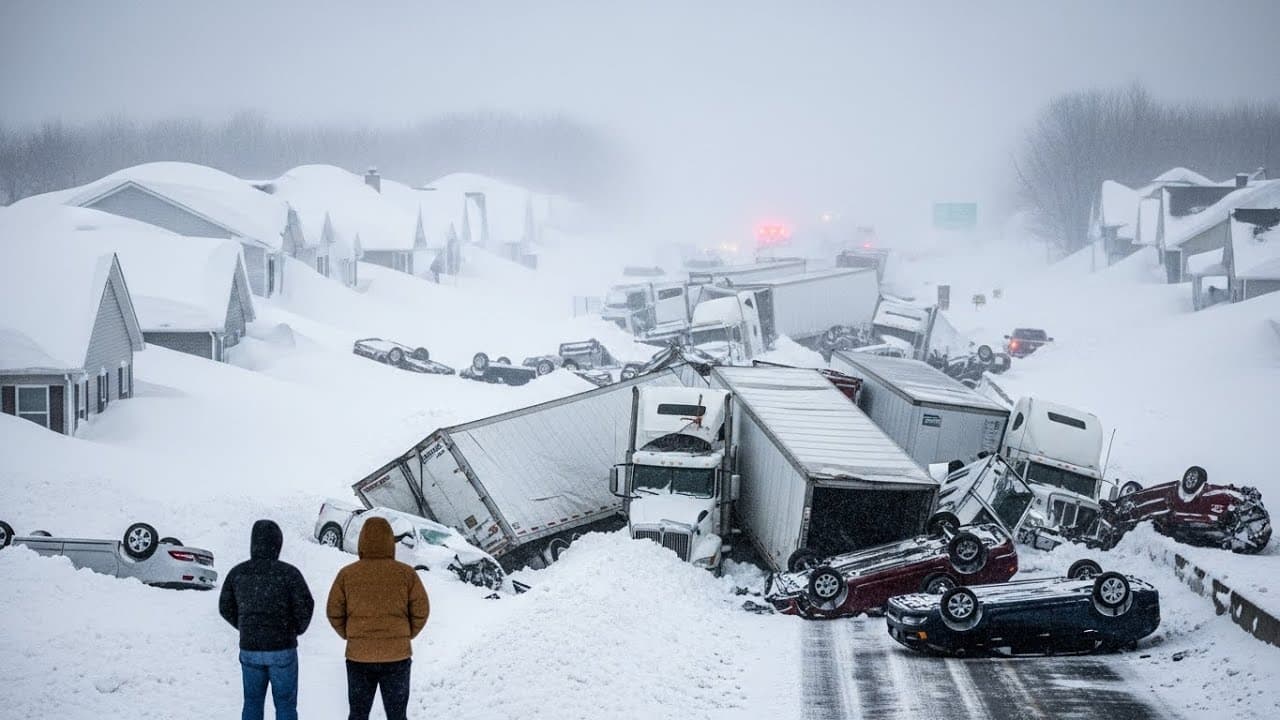
Drivers should slow well below posted limits when snow, black ice, high winds, or poor visibility affect the road, because braking may begin too late to prevent a chain reaction. Storms in Colorado and North Dakota caused fatal crashes, major pileups, interstate closures, stranded motorists, and near-zero visibility, prompting authorities to discourage unnecessary travel and recommend checking official road conditions.
Transcript
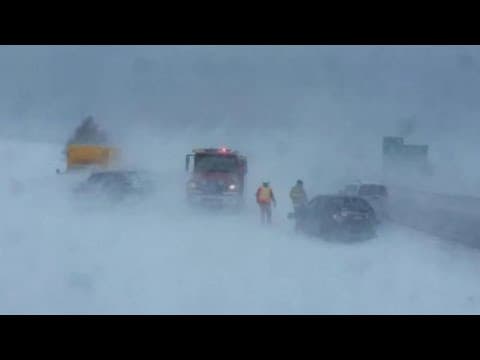
I wonder how that even happens. A relentless winter storm system bringing heavy snow, high winds, and treacherous black ice conditions has wre havoc across Colorado, triggering numerous multi-vehicle pile-ups and resulting in at least one confirmed fatality. The chaotic conditions prompted the Colorado State Patrol to issue urgent warnings and loca... Read More
Key Insights
- Unsafe speed is a primary factor in winter pileups because posted limits may be far too fast for snow, ice, and restricted visibility. Colorado State Patrol Sergeant Ivan Alvarado warned that traveling at the speed limit while it is snowing already means traveling too fast.
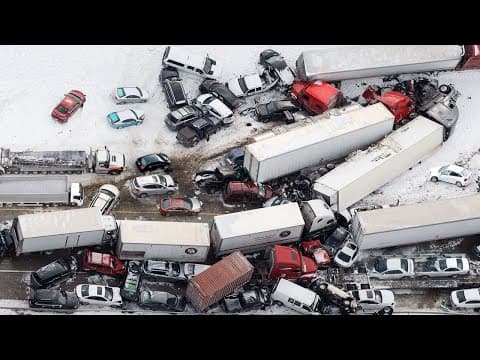
- Black ice can trigger a chain reaction before approaching drivers have enough traction or distance to stop. Near the Eisenhower Tunnel, a semi-truck reportedly jackknifed across three eastbound lanes, after which passenger vehicles struck the trailer, guardrails, and developing wreckage.
- Colorado's winter storm produced crashes ranging from individual fatalities to large pileups. A Subaru Outback lost control on snowpacked and slushy Highway 115, crossed the center line, and collided head-on with an active snowplow, killing the Subaru's driver.
- Two Colorado pileups involved approximately 50 vehicles within minutes of each other. The first involved 20 vehicles near mile marker 130, while the second involved 30 near mile marker 119, with no serious injuries reported and four people sustaining minor injuries.
- Winter road hazards affect urban, mountain, and rural routes differently but can disrupt all of them. Denver police handled 150 crashes during one icy overnight period, while roughly 50 vehicles slid off Highway 93 and major Interstate 70 incidents stranded travelers for hours.
- North Dakota's blizzard danger is driven by both snowfall and winds reaching up to 60 mph. Blowing snow repeatedly reduced visibility to near zero along I-94 and I-29, making roads difficult to distinguish from the surrounding rural landscape.
- Emergency preparation is important because blizzards can delay road clearing and emergency services. North Dakota residents using county roads were advised to monitor the state's road weather information system and prepare emergency kits, particularly as below-zero temperatures could accompany power outages.
- Driver behavior remains consequential even when severe weather initiates an incident. A fatal North Dakota collision occurred after an 88-year-old Camry driver, who was not wearing a seat belt, failed to yield and was struck on the driver's side by a Hyundai Santa Cruz.
Install to Summarize YouTube Videos and Get Transcripts
Explore YouTube Video Summarizer or Get YouTube Transcript Extractor
Questions & Answers
Q: How should drivers adjust their speed during snow and black ice?
Drivers should travel below the posted speed limit whenever snow, slush, black ice, or limited visibility reduces traction and stopping distance. Colorado authorities identified drivers traveling too fast for conditions as a major contributor to the pileups. Sergeant Ivan Alvarado specifically warned that anyone driving at the speed limit while it is snowing is already traveling too fast.
Q: What caused the fatal crash involving a Colorado snowplow?
A northbound Subaru Outback lost control on snowpacked and slushy Highway 115 near Penrose at approximately 7:19 a.m. The vehicle spun, crossed the center line, and collided head-on with a southbound Colorado Department of Transportation snowplow that was clearing the road. The Subaru driver died at the scene, while the 45-year-old snowplow driver sustained minor injuries.
Q: What happened during the Interstate 70 pileups near Glenwood Springs?
Two separate chain-reaction collisions involving approximately 50 vehicles occurred within minutes in Eagle County near the Glenwood Springs area. A 20-vehicle pileup was reported around 11:30 a.m. near mile marker 130, followed 12 minutes later by a 30-vehicle pileup near mile marker 119. No serious injuries were reported, although four people sustained minor injuries in one collision.
Q: Why can a jackknifed semi-truck cause a large winter pileup?
A jackknifed semi-truck can block several lanes at once and create an obstacle that following traffic cannot avoid on ice. In the described Interstate 70 crash, a fully loaded semi-truck lost traction and pivoted across three eastbound lanes. Passenger cars then struck its trailer or guardrails, while additional vehicles entered the wreckage because drivers could not stop in the whiteout and icy conditions.
Q: What travel conditions made North Dakota's blizzard dangerous?
North Dakota experienced heavy snow, wind gusts reaching up to 60 mph, and blowing snow that repeatedly reduced visibility to near zero. Some areas were predicted to receive more than one foot of snow. Conditions along I-94 and I-29 made it difficult to distinguish the road from the surrounding landscape, leading authorities to describe travel as potentially impossible and discourage non-essential trips.
Q: How should travelers prepare before driving in these winter storms?
Travelers should check official road and closure information before departing, including Colorado's COtrip website or North Dakota's road weather information system. Colorado authorities also urged motorists to equip vehicles with proper winter or all-weather tires and carry chains when traveling in mountainous areas. North Dakota residents, especially those using county roads, were advised to prepare emergency kits because clearing and emergency responses could be delayed.
Q: How did the storms affect roads and emergency operations?
The storms produced interstate closures, lengthy delays, stranded motorists, and numerous emergency responses. Colorado deployed 875 plows statewide and used additional heavy equipment and deicing agents after major crashes. One Interstate 70 incident closed both directions for more than eight hours. In North Dakota, road crews worked continuously, but service to outlying townships and emergency response times could be significantly delayed.
Q: What caused the fatal North Dakota intersection collision?
The fatal collision occurred in McLean County on November 28, 2025, at approximately 4:55 p.m. Central Standard Time. An 88-year-old Toyota Camry driver traveling eastbound on Highway 37 stopped but then failed to yield at Highway 83. A southbound Hyundai Santa Cruz struck the Camry on the driver's side. The unbelted Camry driver died, and the Santa Cruz driver was injured.
Summary & Key Takeaways
-
Heavy snow, wet pavement, black ice, and strong winds created dangerous travel conditions across Colorado. Reported incidents included a fatal collision between a Subaru Outback and a snowplow, two pileups involving about 50 vehicles near Glenwood Springs, approximately 50 vehicles sliding off Highway 93, and 150 crashes handled by Denver police overnight.
-
Authorities identified excessive speed for the conditions as a major contributor to Colorado's crashes. Some motorists reportedly traveled near posted limits despite snow, limited visibility, and icy grades. Officials deployed 875 plows statewide, closed affected roads, applied deicing agents, and urged motorists to use suitable tires, carry chains in mountain areas, and check CDOT road information.
-
North Dakota faced blizzard warnings, snowfall potentially exceeding one foot in some places, wind gusts reaching 60 mph, and visibility approaching zero along I-94 and I-29. Authorities reported spinouts, injury crashes, stranded motorists, and a fatal rural intersection collision, while warning that extreme cold and delayed emergency responses could endanger isolated communities.
Read in Other Languages (beta)
Share This Summary 📚
Summarize YouTube Videos and Get Video Transcripts with 1-Click
Try YouTube Summary with ChatGPT & Claude or YouTube Transcript Generator
Explore More Summaries from Nature Damage 📚

Summarize YouTube Videos and Get Video Transcripts with 1-Click
Try YouTube Summary with ChatGPT & Claude or YouTube Transcript Generator