How Does a Blizzard Impact Midwest Travel?
TL;DR
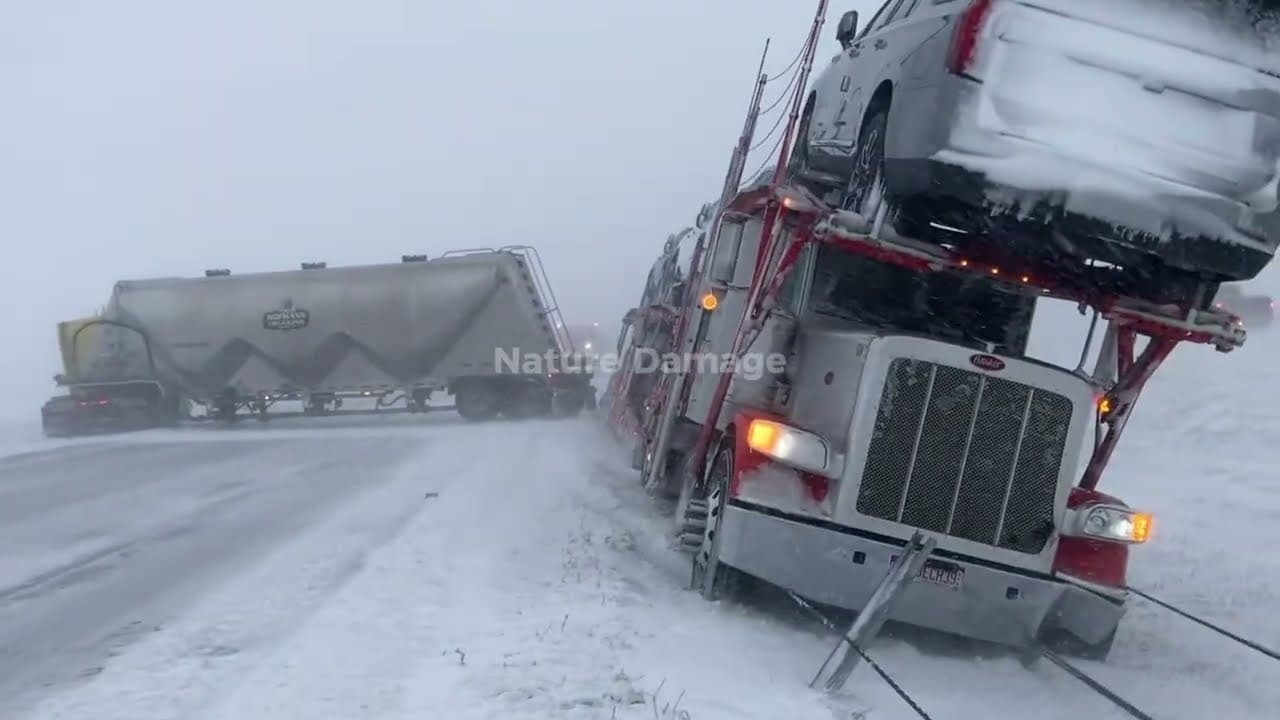
A severe snowstorm in late November 2025 severely disrupted travel in Minnesota and Michigan, causing hundreds of traffic accidents and significant infrastructure challenges. The storm, driven by cold Arctic air and moisture from the Great Lakes, led to road closures, flight cancellations, and power outages, highlighting the vulnerability of infrastructure to extreme weather.
Transcript
You better go check out what's going on in town. Sounds like there's a few there, too. A major snowstorm struck the Midwest of the United States during Thanksgiving week in 2025, with Minnesota and Michigan being the two states most affected. A fast-moving weather system from the Rocky Mountains brought cold arctic air and enough moisture to produc... Read More
Key Insights
- A major snowstorm struck the Midwest during Thanksgiving 2025, severely affecting Minnesota and Michigan.
- Cold Arctic air and moisture from the Great Lakes contributed to heavy snow and strong winds.
- Minnesota experienced snow accumulations between 6 and 12 inches, disrupting travel.
- Michigan faced two waves of snow, with significant accumulations near the Great Lakes.
- Interstate highways in both states were temporarily closed due to accidents and unsafe conditions.
- Air travel was heavily impacted, with over 350 flight disruptions reported in major airports.
- Power outages affected over 120,000 homes due to heavy snowfall and fallen trees.
- The storm underscored the need for improved infrastructure preparedness and public awareness.
Install to Summarize YouTube Videos and Get Transcripts
Explore YouTube Video Summarizer or Get YouTube Transcript Extractor
Questions & Answers
Q: How did the snowstorm affect travel in Minnesota and Michigan?
The snowstorm severely disrupted travel in both states, causing over 1,000 traffic accidents and leading to temporary closures of major highways like Interstate 94 and Interstate 75. Airports reported more than 350 flight disruptions, and public transportation systems experienced extensive delays. The extreme weather conditions made travel during the Thanksgiving holiday particularly hazardous.
Q: What were the main weather conditions during the snowstorm?
The snowstorm was characterized by heavy snow, strong winds, and plummeting temperatures. Cold Arctic air combined with moisture from the Great Lakes to produce significant snow accumulations and reduced visibility. Minnesota experienced snow accumulations of 6 to 12 inches, while Michigan saw two waves of snow, with lake effect snow worsening conditions near the lakes.
Q: What infrastructure challenges did Minnesota and Michigan face during the storm?
Both states faced significant infrastructure challenges, including road closures due to accidents and unsafe conditions, flight cancellations and delays at major airports, and disruptions to public transportation systems. Power outages affected over 120,000 homes as heavy snowfall and fallen trees damaged power lines, highlighting the vulnerability of infrastructure to extreme weather.
Q: How did the snowstorm impact power systems in the affected areas?
The snowstorm caused power outages for over 120,000 homes in Minnesota and Michigan. Heavy snowfall and fallen trees damaged power lines, leading to prolonged outages. Utility crews worked around the clock to restore service, but the extreme cold and challenging conditions made the task difficult, emphasizing the need for resilient power infrastructure.
Q: What role did lake effect snow play in the storm's impact in Michigan?
Lake effect snow significantly worsened conditions in Michigan, particularly near the Great Lakes. As cold air passed over the relatively warm lake surfaces, it absorbed moisture and dumped heavy snow on surrounding areas. This phenomenon contributed to higher snow accumulations and more severe travel disruptions, especially in the upper peninsula and areas near Lakes Erie and Ontario.
Q: What lessons were learned from the snowstorm regarding public safety?
The snowstorm highlighted the importance of heeding weather warnings and being prepared for extreme conditions. Road safety experts emphasized the risks of traveling during snowstorms and the need for vehicles to be winter-ready. The storm also underscored the need for improved infrastructure preparedness and public awareness to mitigate the impact of future extreme weather events.
Q: How did the snowstorm affect holiday travel plans for residents?
The snowstorm severely disrupted holiday travel plans, stranding thousands of people on highways and causing airports to be packed with frustrated passengers due to flight cancellations and delays. Many residents had to adjust their plans, with some unable to reach their destinations, highlighting the challenges of traveling during extreme weather conditions.
Q: What meteorological factors contributed to the snowstorm?
The snowstorm was caused by a combination of cold Arctic air, a fast-moving low-pressure system, and moisture from the Great Lakes. These factors created ideal conditions for heavy snow and strong winds. The interaction of these elements, along with the timing during the Thanksgiving holiday travel period, resulted in one of the most significant extreme weather events of the year.
Summary & Key Takeaways
-
A severe snowstorm hit Minnesota and Michigan in late November 2025, disrupting Thanksgiving travel with heavy snow, strong winds, and extreme cold. The storm caused hundreds of traffic accidents, road closures, and flight cancellations, affecting thousands of travelers. Power outages and infrastructure challenges highlighted the need for better preparedness against extreme weather events.
-
The snowstorm was driven by a fast-moving weather system bringing cold Arctic air and moisture from the Great Lakes. Minnesota saw rapid transitions from rain to snow, with accumulations reaching over 12 inches in some areas. Michigan experienced two waves of snow, exacerbated by lake effect snow, causing severe travel disruptions and infrastructure strain.
-
Both states faced significant challenges, with major highways closed temporarily and public transportation systems disrupted. The storm triggered over 1,000 traffic incidents, including large pileups on interstates. Power outages affected over 120,000 homes, and emergency services were overwhelmed, prompting discussions on improving infrastructure and public safety measures.
Read in Other Languages (beta)
Share This Summary 📚
Summarize YouTube Videos and Get Video Transcripts with 1-Click
Try YouTube Summary with ChatGPT & Claude or YouTube Transcript Generator
Explore More Summaries from Nature Damage 📚




Summarize YouTube Videos and Get Video Transcripts with 1-Click
Try YouTube Summary with ChatGPT & Claude or YouTube Transcript Generator