Which Types of Moldy Food Are Dangerous to Eat?
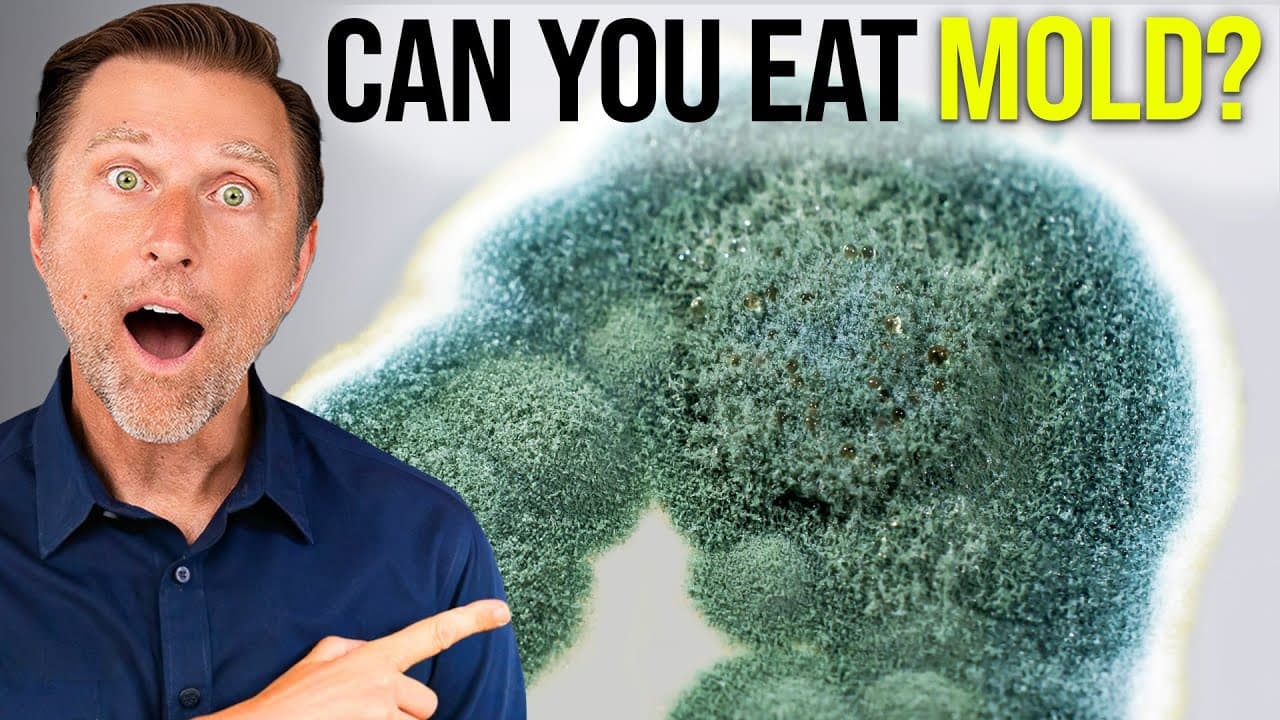
TL;DR
Mold on cheese is presented as unlikely to harm health, while mold contamination in peanuts, rice, grains, corn, dried fruit, and coffee may produce toxins that damage the liver and potentially cause cancer. Fungal overgrowth in the body is attributed mainly to microbiome disruption, immune suppression, excess iron, alcohol, and altered pH rather than simply eating moldy food.
Transcript
So, what really happens when you consume mold and fungus? Of course, most people are not going to eat moldy bread. But on cheese, a lot of times it'll start growing this mold or fungus, and people will be concerned. Is that going to affect my health? I'm going to tell you right now, no. It won't affect your health in a negative way because it doesn... Read More
Key Insights
- Mold on cheese is described as unlikely to negatively affect health because it does not produce the harmful byproducts associated with certain other molds. The source contrasts cheese with foods such as moldy peanuts, rice, grains, corn, dried fruit, and coffee.
- Mold toxins in contaminated peanuts, rice, grains, corn, dried fruit, and coffee are described as potentially harmful to the liver. The source also states that these toxins may cause cancer, making the type of contaminated food an important part of evaluating risk.
- Fungal overgrowth in the body is attributed mainly to disruption of the microbiome rather than eating mold. Beneficial bacteria normally limit the spread of fungus, mold, yeast, and candida, but these organisms can become problematic when bacterial populations are damaged.
- Antibiotics can promote fungal overgrowth because they kill bacteria without killing fungi. Removing the bacteria that normally keep fungal organisms controlled allows the remaining fungus or yeast to spread and become less friendly to the body.
- Steroids can enable fungal growth by suppressing the immune system and damaging the microbiome. The source specifically urges caution with prednisone, while acknowledging that it is sometimes necessary, and recommends using as little as possible when it is required.
- Sugar, refined starches, high fructose corn syrup, alcohol, and excess iron are described as factors that favor fungal problems. The source says fungus and candida prefer sugar, alcohol supports yeast and mold, excess iron feeds pathogens, and sugar can lower immune function.
- Acidity is described as suppressing yeast, fungus, and mold, while an overly alkaline condition is said to encourage deeper fungal growth. Kombucha is presented as potentially helpful because its lactic acid creates an acidic environment that discourages these microorganisms.
- Vitamin D, zinc, and selenium are presented as important for immune resistance to fungal problems. The source says fungal toxins may block vitamin D receptors, zinc deficiency can impair the thymus and T-cell training, and selenium deficiency may increase susceptibility to infection.
Install to Summarize YouTube Videos and Get Transcripts
Explore YouTube Video Summarizer or Get YouTube Transcript Extractor
Questions & Answers
Q: Is mold on cheese dangerous to eat?
Mold on cheese is presented as unlikely to affect health negatively because it does not produce the same harmful byproduct associated with certain other molds. The source specifically contrasts cheese with moldy peanuts, rice, grains, corn, dried fruit, and coffee. Those other foods are described as possible sources of toxins that can damage the liver and potentially cause cancer.
Q: Which moldy foods should be avoided?
The source recommends avoiding moldy peanuts, rice, grains, corn, dried fruit, and coffee. Mold contamination in these foods is described as capable of producing toxins that can seriously affect the liver and may even cause cancer. Moldy bread is also treated as something most people would not eat, although the detailed toxin warning focuses on the other listed foods.
Q: Why can antibiotics lead to fungal overgrowth?
Antibiotics are described as killing bacteria without killing fungus. Beneficial bacteria in the microbiome normally act like police officers by preventing small populations of fungus, mold, yeast, and candida from spreading. When antibiotics destroy those protective bacteria, fungal organisms can multiply, become unfriendly, and contribute to problems in or on the body.
Q: How do steroids affect mold, yeast, and fungus in the body?
Steroids are described as suppressing the immune system and disrupting the microbiome, which can allow bacteria and fungi to take over and grow. The source specifically warns that prednisone can create a slippery slope, although it acknowledges that the medication is sometimes genuinely needed. It advises using as little as possible when its use is necessary.
Q: What symptoms are associated with fungal or mold overgrowth?
The source associates fungal or mold problems with chronic sinus infections, toenail fungus, a white film on the tongue, skin rashes, and cravings for sweets. Sweet cravings are linked to the claim that fungus, mold, and candida favor sugar and hidden sugars such as refined starches. These conditions are presented as possible signs rather than confirmed diagnoses.
Q: What dietary factors may encourage fungal growth?
Sugar, refined starches, high fructose corn syrup, alcohol, and excess iron are described as encouraging fungal problems. Fungus, mold, and candida are said to favor sugar, while alcohol is described as something yeast, fungus, and mold love. Cooking with an iron skillet or taking iron supplements is also presented as potentially feeding pathogens through excess iron.
Q: Which nutrients are suggested for supporting immune function against fungus?
Vitamin D, magnesium, K2, zinc, and selenium are suggested for immune support. The source claims fungal toxins can block vitamin D receptors, so additional vitamin D may help overcome that resistance. It recommends taking magnesium and K2 with vitamin D. Zinc is linked to thymus and T-cell function, while selenium deficiency is linked to infection susceptibility.
Q: What remedies are suggested after suspected mold toxin exposure?
Activated charcoal and bentonite clay are suggested to help absorb mold-related toxins, while chlorophyllin is presented as potentially helping neutralize their effects. Cruciferous vegetables and their sulforaphane are recommended, and NAC is suggested to help the liver counter damage. The source also mentions propolis, MCT oil, probiotics, sauerkraut, and kimchi for antifungal, immune, or microbiome support.
Summary & Key Takeaways
-
The source distinguishes mold on cheese from mold affecting peanuts, rice, grains, corn, dried fruit, and coffee. It says cheese mold does not create the same harmful byproducts, while toxins associated with mold in the other listed foods can seriously damage the liver and may even contribute to cancer.
-
Fungal or yeast overgrowth in or on the body is linked primarily to disruption of the microbiome. Beneficial bacteria normally keep these organisms under control. Antibiotics can remove protective bacteria without killing fungi, while steroids and stress-related cortisol can suppress immune defenses and create conditions that allow overgrowth.
-
The suggested response combines immune and microbiome support with substances intended to bind toxins or assist the liver. The source mentions vitamin D with magnesium, K2, zinc, selenium, activated charcoal, bentonite clay, chlorophyllin, cruciferous vegetables, NAC, propolis, MCT oil, probiotics, sauerkraut, and kimchi.
Read in Other Languages (beta)
Share This Summary 📚
Summarize YouTube Videos and Get Video Transcripts with 1-Click
Try YouTube Summary with ChatGPT & Claude or YouTube Transcript Generator
Explore More Summaries from Dr. Eric Berg DC 📚




Summarize YouTube Videos and Get Video Transcripts with 1-Click
Try YouTube Summary with ChatGPT & Claude or YouTube Transcript Generator