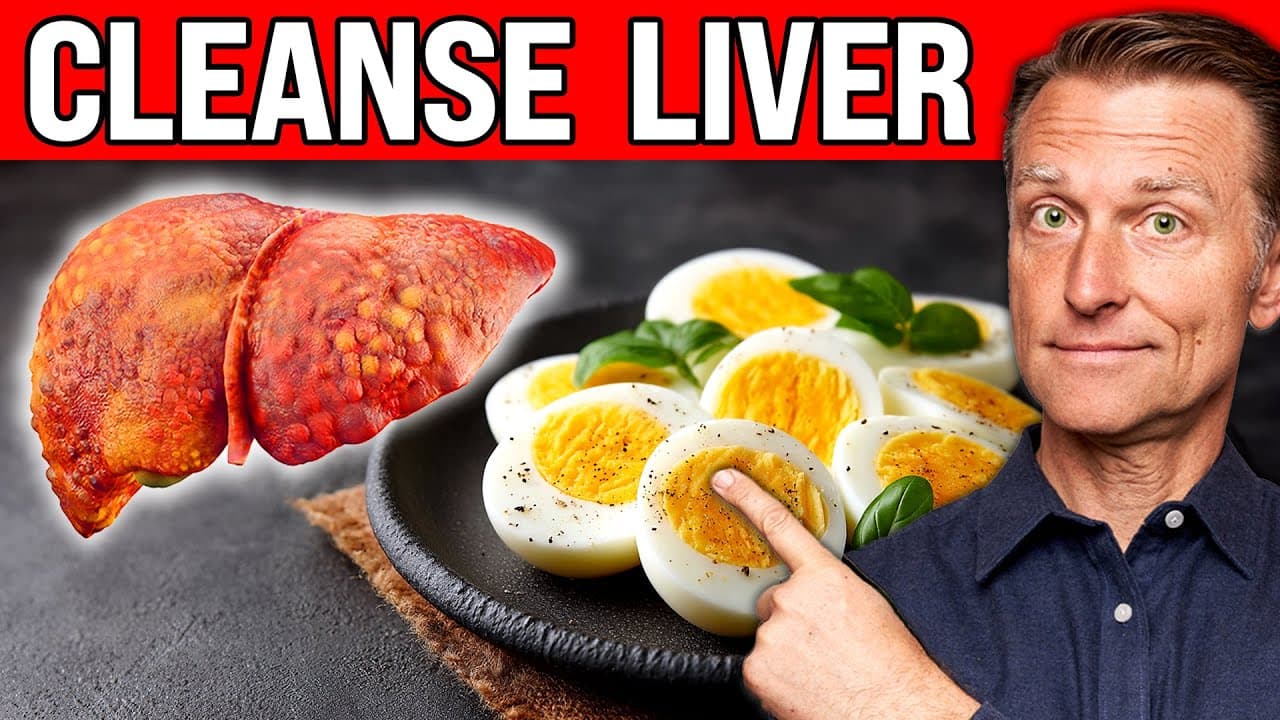
The #1 BEST Food to Remove FAT from the LIVER
TL;DR
Grass-fed liver is the best food for liver health.
Transcript
Read and summarize the transcript of this video on Glasp Reader (beta).
Key Insights
- Fatty liver is increasingly caused by excessive sugar, starches, and seed oils rather than alcohol consumption. These components are detrimental to liver health, leading to fat accumulation.
- Medical professionals often focus on treating symptoms rather than addressing the root cause of fatty liver disease, which can lead to broader health issues like diabetes and obesity.
- Observational studies have blamed red meat and eggs for fatty liver, but these studies fail to consider other dietary factors and cannot establish causation.
- A low-carb ketogenic diet can significantly reduce liver fat. Research indicates a potential 50% reduction in liver fat within weeks when following such a diet.
- Grass-fed red meat, rich in high-quality protein and essential nutrients, supports insulin regulation and liver health, offering zinc, copper, and CoQ10.
- Eggs, particularly yolks, are high in choline, a vital nutrient for preventing fatty liver, and contain zero carbohydrates, aiding in liver fat reduction.
- Cruciferous vegetables, especially fermented ones like sauerkraut, assist in liver detoxification and fat removal, enhancing overall liver function.
- Wild-caught salmon and other fatty fish provide omega-3 fatty acids, which are crucial for reducing liver inflammation and improving liver health.
Install to Summarize YouTube Videos and Get Transcripts
Explore YouTube Video Summarizer or Get YouTube Transcript Extractor
Questions & Answers
Q: What is the main cause of fatty liver today?
The primary cause of fatty liver today is the excessive consumption of sugar, starches, and seed oils, rather than alcohol. These components lead to fat accumulation in the liver, which can cause broader health issues like diabetes and obesity.
Q: How do medical professionals typically approach fatty liver disease?
Medical professionals often focus on treating the symptoms of fatty liver disease, such as obesity and high blood pressure, rather than addressing the root causes. This approach involves managing risk factors with medications instead of targeting the dietary habits that contribute to liver fat accumulation.
Q: Why are observational studies criticized in the context of fatty liver research?
Observational studies are criticized because they often fail to consider other dietary factors, such as the consumption of sugar or alcohol alongside red meat or eggs. These studies cannot establish causation, leading to misleading conclusions about what causes fatty liver disease.
Q: What dietary approach is suggested to reduce liver fat?
A low-carb ketogenic diet is suggested to significantly reduce liver fat. Research indicates that following such a diet can lead to a 50% reduction in liver fat within weeks, highlighting its effectiveness in supporting liver health.
Q: What are the benefits of grass-fed red meat for liver health?
Grass-fed red meat provides high-quality protein and essential nutrients like zinc, copper, and CoQ10. These nutrients support insulin regulation and overall liver health, making grass-fed red meat a beneficial component of a liver-friendly diet.
Q: How do eggs contribute to preventing fatty liver?
Eggs, particularly the yolks, are rich in choline, a vital nutrient for preventing fatty liver. They also contain zero carbohydrates, which helps in reducing liver fat, making them an excellent dietary choice for liver health.
Q: What role do cruciferous vegetables play in liver health?
Cruciferous vegetables, especially when fermented, aid in liver detoxification and fat removal. They enhance liver function and contribute to overall health by supporting the liver's natural detox processes and reducing fat accumulation.
Q: How do omega-3 fatty acids benefit the liver?
Omega-3 fatty acids, found in wild-caught salmon and other fatty fish, are crucial for reducing liver inflammation and improving liver health. These fatty acids support overall liver function and are an important component of a liver-friendly diet.
Summary & Key Takeaways
-
Fatty liver disease is now more commonly linked to excessive intake of sugar, starches, and seed oils rather than alcohol. The medical field often addresses symptoms without tackling the root causes, which include poor dietary choices.
-
Observational studies inaccurately blame foods like red meat and eggs for fatty liver, overlooking other dietary factors. A ketogenic diet can significantly reduce liver fat, supporting liver health effectively.
-
Incorporating foods like grass-fed red meat, eggs, cruciferous vegetables, and fatty fish can enhance liver health. These foods offer essential nutrients and compounds that aid in reducing liver inflammation and fat accumulation.
Read in Other Languages (beta)
Share This Summary 📚
Summarize YouTube Videos and Get Video Transcripts with 1-Click
Try YouTube Summary with ChatGPT & Claude or YouTube Transcript Generator
Explore More Summaries from Dr. Eric Berg DC 📚


Summarize YouTube Videos and Get Video Transcripts with 1-Click
Try YouTube Summary with ChatGPT & Claude or YouTube Transcript Generator