How to navigate involuntary change and grow
TL;DR
Change can accelerate inner transformation, and you can steer it by expanding your identity beyond a single role. Uncertainty is inevitable, so build strategies to endure it, reframe control, and anchor yourself in your why to stay resilient. This approach helps you emerge with a broader sense of self and continued meaning.
Transcript
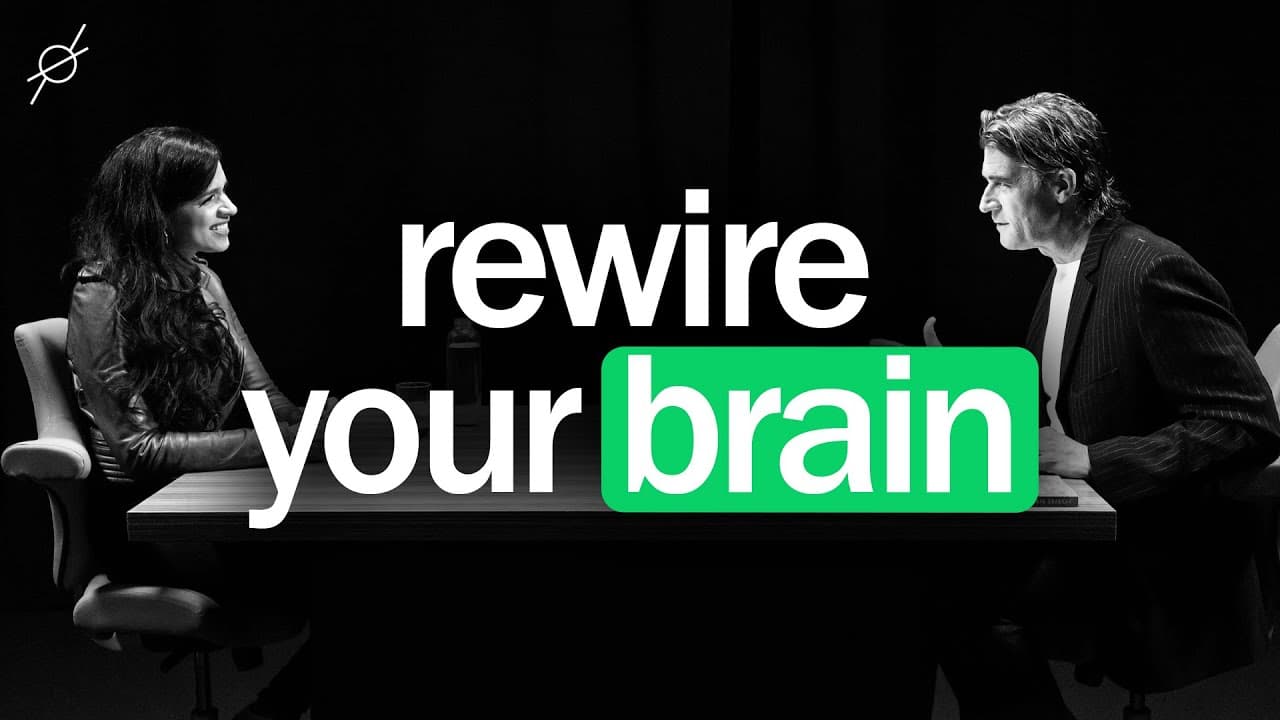
We are constantly changing and change can accelerate these inner transformations. >> This is Dr. Maya Shanker. She served in the White House under President Obama, founding the first behavioral science team. Our brains are not wired to enjoy uncertainty. But [music] change is coming for all of us whether we like it or not. And we become different p... Read More
Key Insights
- Affective forecasting is unreliable for predicting future responses to change, which leads to unnecessary fear and poor planning.
- The illusion of control makes people overestimate how much they can dictact life outcomes, especially during big, negative events.
- Uncertainty is a natural part of life, yet the brain dislikes it, creating stress and yearning for clear outcomes.
- Change often threatens identity, which can trigger grief not just for lost roles but for the self associated with them.
- Expanding self identity to include a broader why helps maintain direction when external circumstances change.
- Defining oneself by why rather than by doing creates a resilient compass that guides future actions.
- Loss of a particular skill or role (like playing the violin) can be reframed as a transfer of purpose to new outlets.
- Practical tools that center on curiosity and reexamining what you love about your pursuits can sustain progress after disruption.
- More videos from this channel:
- More from this channel: Rich Roll
Install to Summarize YouTube Videos and Get Transcripts
Explore YouTube Video Summarizer or Get YouTube Transcript Extractor
Questions & Answers
Q: What is affective forecasting and why does it matter for change
Affective forecasting is the process of predicting how we will feel in the future after a change. It matters because people often misjudge their future emotions, underestimating their own adaptability. By acknowledging that our preferences and reactions will shift, we can prepare more flexible plans and reduce anxiety about what comes next.
Q: How does uncertainty impact our behavior during change
Uncertainty triggers stress because the brain prefers clarity and control. When outcomes are unpredictable, people may cling to familiar routines or withdraw, hindering growth. Embracing uncertainty as a natural part of life allows us to cultivate curiosity, experiment with new responses, and gradually build comfort with not knowing everything.
Q: What is the illusion of control in the context of change
The illusion of control is the tendency to overestimate our influence over events. During change, this illusion can make us feel cheated or overwhelmed when outcomes diverge from expectations. Recognizing this bias helps us focus on adaptive actions within our control and reduce frustration from unpredictable results.
Q: Why is identity threat common during major life changes
Identity threat arises when a change challenges how we see ourselves, such as losing a role or capability. This can trigger grief and fear because we worry about not belonging or losing purpose. Understanding this helps people validate their feelings and seek new paths that preserve core values.
Q: How can you expand your identity to cope with change
Expanding identity involves redefining yourself by your why and broader activities rather than a single role. By identifying what you loved about past roles and finding new outlets that deliver the same underlying satisfaction, you maintain continuity of purpose and reduce the risk of existential crisis during disruption.
Q: What practical tools help during inflection moments
Practical tools include defining your why, exploring multiple expressions of meaning, and staying curious about new possibilities. This approach creates a flexible self-concept that can adapt to changing circumstances while preserving what makes you feel purposeful and connected to others.
Q: How can one maintain motivation after losing a role or skill
Maintain motivation by reframing loss as a shift rather than a end. Focus on the core values behind the activity, seek new avenues to express them, and build new competencies that mirror the authentic rewards of the past role. This keeps the motivation rooted in purpose, not performance.
Q: What role does curiosity play in transforming change into revelation
Curiosity drives exploration of what change reveals about yourself and the world. It reframes disruption as an opportunity to learn and grow, encouraging experimentation with new identities and strategies. This mindset turns difficult moments into catalysts for meaningful development and renewed self-understanding.
Summary & Key Takeaways
-
Change processes can accelerate transformation by revealing new perspectives and abilities, even when the change is involuntary and frightening. This requires recognizing that identity is not fixed and that our why provides continuity through disruption. Building robustness in how we define ourselves reduces existential stress.
-
Uncertainty drives fear because people overestimate control and misread their influence on outcomes. Accepting the limits of control and reframing uncertainty as a catalyst for growth can reduce distress and promote adaptive coping during upheaval.
-
A strong sense of self is a moving target during change, so expanding identity beyond one role helps maintain motivation and direction. By identifying core values and why they matter, individuals can adapt while preserving core meaning and purpose.
Read in Other Languages (beta)
Share This Summary 📚
Summarize YouTube Videos and Get Video Transcripts with 1-Click
Try YouTube Summary with ChatGPT & Claude or YouTube Transcript Generator
Explore More Summaries from Rich Roll 📚





Summarize YouTube Videos and Get Video Transcripts with 1-Click
Try YouTube Summary with ChatGPT & Claude or YouTube Transcript Generator