How to amplify internal expertise with AI
TL;DR
AI can capture expert know-how from top performers and distribute it across teams. OpenAI shows how to tailor agents to specific roles, build a semantic data layer, and deploy workflows inside Slack and other tools to boost reps, support, and product teams.
Transcript
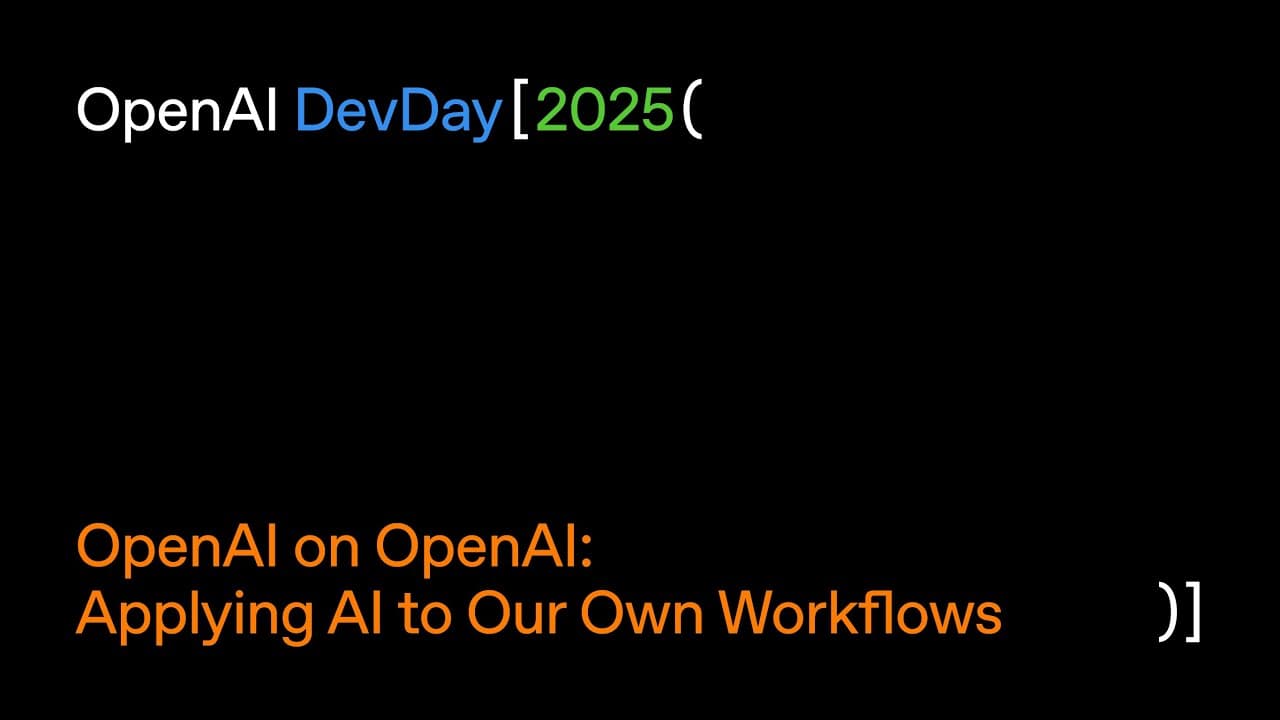
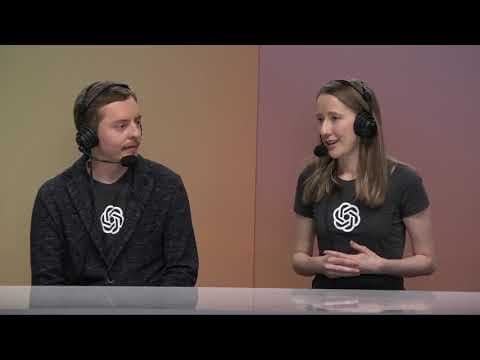
Hey everyone, how's it going? How we feeling? Do we like the keynote? Good. Uh my name is Scotty. Uh super excited to be here today. Uh you just heard on the main stage about new features that are going to make it easier to deploy agent-driven workflows. In the next 20 minutes, we're going to talk about how we put that technology to work inside ope... Read More
Key Insights
- AI can encode expert craft into reusable agents that scale performance
- The go to market assistant begins with a simplified data model and a semantic layer for accurate prompts
- Specialized agents are derived from real people workflows to scale excellence
- An agent spine connects agents SDK, GPT5, and responses API for integrated tasks
- Data grounding uses vectorized documents to support context rich interactions
- Self improvement workflows drive continual performance improvements over time
- Internal apps can significantly boost a companys agility and impact
- The examples cover sales, people and support to illustrate practical internal deployments
- More videos from this channel:
- More from this channel: OpenAI
Install to Summarize YouTube Videos and Get Transcripts
Explore YouTube Video Summarizer or Get YouTube Transcript Extractor
Questions & Answers
Q: How does the go to market assistant help sales teams
The go to market assistant helps sales by providing quicker customer research and technical answers while expanding capacity and maintaining a high level of customer experience. It starts with understanding a representative like Sophie, modeling her workflow, and then replicating that approach across other reps to enable consistent, high quality customer engagements.
Q: What is the role of data modeling in these AI internal tools
A simplified data model and a semantic layer are used so GPT5 can understand customer data and provide relevant information to reps. This grounding ensures the AI operates with accurate context drawn from multiple systems, helping agents surface insights, prep for meetings, and tailor demos to each customer.
Q: Why are specialized agents important in this framework
Specialized agents are built from real user workflows and experiences, like Sophies approach to meetings, demos, and follow ups. By tailoring agents to specific tasks such as product knowledge or customer research, the system can deliver focused guidance and results that align with top performers skills.
Q: How do these tools integrate into everyday work tools
The framework integrates with everyday tools such as Slack and chat interfaces, enabling reps to access the assistant in familiar contexts. This integration allows conversations, meeting prep, and follow ups to be conducted within channels, reducing switching costs and accelerating response times.
Q: What is meant by a spine of agents
The spine of agents refers to a core set of interconnected capabilities built on an SDK and APIs that handle tasks like meetings, knowledge, and customer research. This modular setup lets organizations expand functionality while maintaining a cohesive workflow across tools and data sources.
Q: How does the system handle customer data across multiple sources
The system starts with a unified data model and a semantic layer to harmonize data from disparate sources. By vectorizing key documents and grounding prompts in the customers data, it can surface relevant context such as prior usage, meeting notes, and product interactions for each engagement.
Q: What is the purpose of self improvement in these AI tools
Self improvement workflows continuously refine performance by learning from interactions, improving prompts, and expanding the skill set of the agents. This approach helps maintain a high standard of excellence and enables the AI to adapt to evolving customer needs and new product capabilities.
Q: What broader impact do internal AI tools aim to achieve
Internal AI tools aim to amplify expertise across the organization, increasing agility and impact. By enabling every employee to act like a top operator, the company can deliver faster customer value, align teams around best practices, and scale high leverage use cases inside the company.
Summary & Key Takeaways
-
The video explains that AI can encode the craft of practitioners and distribute it across an organization, enabling every employee to operate like a top operator. It highlights building a golden age of internal building by combining data modeling, agents, and workflows.
-
OpenAI shares a Go To Market Assistant example, starting with simplifying data, vectorizing key documents, and creating a spine of agents that handle meetings, product knowledge, and customer research.
-
The talk emphasizes deploying internally across sales, people, and support, showing patterns to apply frontier AI for practical internal use and faster iterations within an organization.
Read in Other Languages (beta)
Share This Summary 📚
Summarize YouTube Videos and Get Video Transcripts with 1-Click
Try YouTube Summary with ChatGPT & Claude or YouTube Transcript Generator
Explore More Summaries from OpenAI 📚


Summarize YouTube Videos and Get Video Transcripts with 1-Click
Try YouTube Summary with ChatGPT & Claude or YouTube Transcript Generator