How to Communicate Clearly and Speak Like a Leader
TL;DR
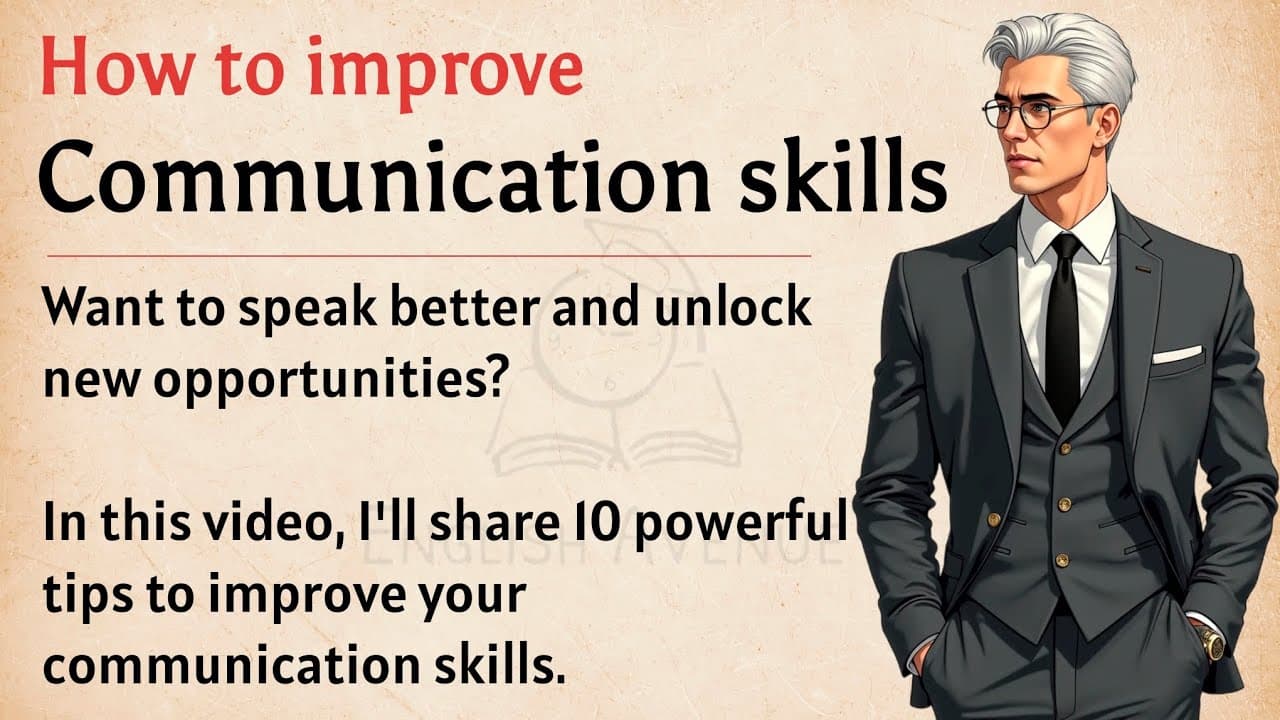
Strong communication begins before you speak: confident posture, natural eye contact, a warm smile, and calm energy shape how others perceive you. Clear, memorable communication also depends on purposeful words, concise stories, empathetic listening, natural use of names, and the emotional discipline to pause and respond thoughtfully instead of reacting impulsively.
Transcript
Welcome champions. Today's video is not just any ordinary video. It's something that could truly transform your life. Because today we are talking about something that can change your career, your income, your self-respect, and your entire life. Think about it for a second. Have you ever noticed that when someone communicates well, when someone spe... Read More
Key Insights
- Nonverbal communication is active before a conversation begins. Posture, facial expression, eye contact, smiling, movement, and general energy can signal confidence, professionalism, honesty, nervousness, or disengagement before a person has explained anything verbally.
- The presentation states that people form a first impression within 7 seconds and make 70% of their judgment before someone has spoken properly. Its practical lesson is to enter calmly, stand or sit upright, relax the shoulders, smile naturally, and avoid nervous fidgeting.
- Clear communication is built on clear thinking and purposeful wording. Planning what to say, arranging ideas carefully, and speaking with clarity help words carry weight while creating an impression of confidence and a strong, memorable personality.
- Storytelling is a method for making a message memorable and emotionally engaging. A short narrative with a struggle, a victory, and a relatable character can communicate the importance of an idea more effectively than simply stating the idea without an example.
- Empathy is the ability to understand what another person feels and consider the situation from that person's perspective. It strengthens communication when listeners give full attention, acknowledge emotions, avoid rushing to fix the problem, and express sincere understanding.
- A person's name is treated as an important part of personal identity. Remembering it and using it warmly during a greeting, an important point, or the close of a conversation can help the interaction feel personal, attentive, and respectful.
- Emotional intelligence is described as understanding and managing personal emotions while recognizing and influencing the emotions of others. Its central communication practice is choosing a calm, thoughtful response instead of allowing an automatic and impulsive reaction to control the exchange.
- A brief pause can change the direction of a difficult conversation. Taking a breath, waiting a few seconds, identifying the current emotion, and speaking calmly can reduce escalation during criticism or conflict while protecting professionalism, mutual respect, and personal relationships.
Install to Summarize YouTube Videos and Get Transcripts
Explore YouTube Video Summarizer or Get YouTube Transcript Extractor
Questions & Answers
Q: How can I communicate clearly and speak with confidence?
Clear communication begins by thinking before speaking and giving every statement a purpose. Arrange your ideas so they are easy to follow, then deliver them with upright posture, relaxed shoulders, natural eye contact, and a gentle smile. Avoid fidgeting because it can communicate nervousness. Calm nonverbal behavior and carefully organized words work together to create a confident presence.
Q: How does body language affect a first impression?
Body language communicates confidence, professionalism, and interest before a full conversation begins. The presentation states that people form a first impression within 7 seconds and make 70% of their judgment before someone speaks properly. Sitting upright, keeping the shoulders relaxed, smiling warmly, and making eye contact create a stronger impression than slouching, staring at a phone, or appearing bored.
Q: How can storytelling improve communication skills?
Storytelling turns an abstract claim into an experience that listeners can picture and remember. Instead of merely stating that hard work matters, a speaker can describe a person who faces difficulty, continues working, and eventually succeeds. The presentation recommends keeping stories short and emotional, adding some struggle and victory, and helping listeners recognize themselves in the situation.
Q: How should I use stories in meetings or presentations?
Use a short, relevant story when you need to explain a lesson, support a point, inspire listeners, or make an idea memorable. Include a clear situation, a meaningful struggle, and a result that demonstrates the message. Real-life examples help paint a picture in the listener's mind, but the story should remain focused so it strengthens rather than distracts from the main point.
Q: What is empathy in communication?
Empathy means understanding what another person feels and placing yourself in that person's situation. In conversation, it involves listening with full attention, acknowledging the emotion being expressed, and resisting the urge to dismiss or immediately fix the problem. Phrases such as “I can imagine how that feels” show understanding and can help another person feel safe, respected, and willing to speak openly.
Q: How can I become a more empathetic listener?
Give the other person your full attention, remove distractions, and listen to understand rather than waiting for your next opportunity to speak. Acknowledge the person's feelings with calm, sincere language and allow more details to emerge without interruption. You do not always need to solve the problem. Recognizing that the situation is stressful or difficult can create trust and a stronger connection.
Q: When should I use someone's name in conversation?
Use a person's name naturally and warmly, especially while greeting the person, emphasizing an important point, or closing the conversation. Remembering a name can make someone feel seen, important, and personally recognized. However, repeating it every few sentences can feel forced. The goal is not frequent repetition, but sincere use at moments where it adds attention and personal connection.
Q: How can I respond calmly instead of reacting emotionally?
Pause before speaking, take a breath, and identify the emotion you are experiencing. Even a few seconds can create space between the emotional impulse and your words. During criticism, calmly thank the person for the feedback and suggest discussing improvements. During a personal argument, explain that you feel hurt and propose continuing the conversation when both people are calmer.
Summary & Key Takeaways
-
Communication is presented as a practical skill that can influence careers, income, opportunities, respect, and personal relationships. Powerful speakers organize their thoughts, choose purposeful words, and express ideas clearly. Their presence also supports their message through confident posture, relaxed shoulders, natural eye contact, a gentle smile, and controlled movements.
-
Stories make ideas more emotional, memorable, and relatable than plain statements. Effective stories remain short, include struggle and victory, and help listeners picture themselves in the situation. Real-life examples can strengthen speeches, meetings, lessons, and everyday conversations by turning an abstract point into a vivid experience that holds attention.
-
Empathy and emotional intelligence create trust by making people feel heard, understood, and safe. Active listening, acknowledging feelings, removing distractions, and using a person's name naturally can deepen connection. During criticism or conflict, pausing briefly and naming the emotion supports a calm response that protects respect and relationships.
Read in Other Languages (beta)
Share This Summary 📚
Summarize YouTube Videos and Get Video Transcripts with 1-Click
Try YouTube Summary with ChatGPT & Claude or YouTube Transcript Generator
Explore More Summaries from English Avenue 📚


Summarize YouTube Videos and Get Video Transcripts with 1-Click
Try YouTube Summary with ChatGPT & Claude or YouTube Transcript Generator