9 Fascinating Things That Happen to Your Body While You Sleep
TL;DR
While you sleep, your body cycles through processes including REM muscle paralysis, rapid eye movement, growth hormone production, throat narrowing, teeth grinding, sexual arousal, dream construction, and brain waste removal. The transcript says people typically have four to six dreams each night but forget 80 percent of them. Read on to explore eight specific changes and why they occur.
Transcript
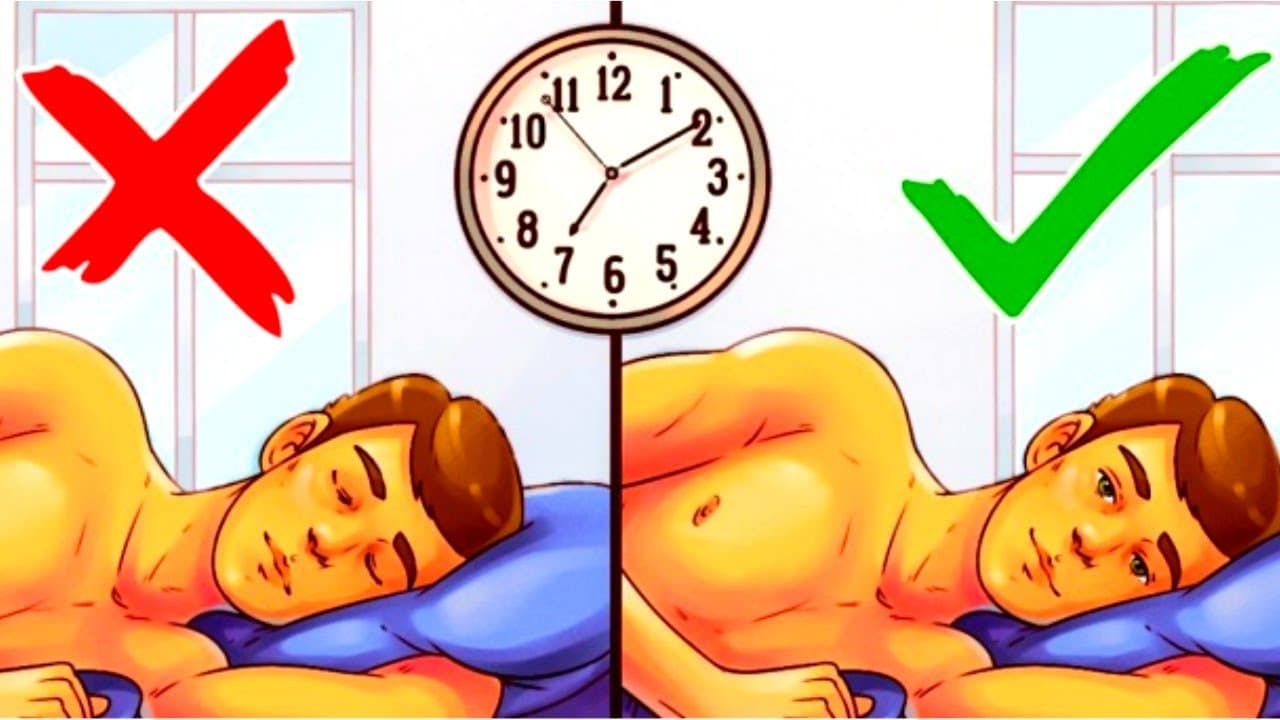
Did you know that you have four to six dreams at night? Which is about two thousand dreams per year, two thousand! what an incredible number! Unfortunately, we forget 80 percent of all of our dreams At least we can understand what happens to our bodies when we are in the arms of morpheus Here are 9 fascinating things that happen to your body while ... Read More
Key Insights
- 😃 There are five stages of sleep, with rapid eye movement (REM) sleep being the most active stage, characterized by rapid eye movements and vivid dreams.
- 😪 The release of Human Growth Hormone (HGH) during sleep aids in bodily regeneration, growth, and healing.
- 😪 Teeth grinding during sleep, known as bruxism, can be caused by various factors, including stress and subconscious tension.
- 🧠 Dreams are constructed by our brain using a combination of recent experiences, stored memories, emotions, and feelings.
- 🔊 Exploding head syndrome is a rare phenomenon in which individuals experience a loud explosion-like sound upon waking, causing psychological distress but no physical pain.
- 😪 The glymphatic system in the brain is responsible for flushing out waste and consolidating vital information during sleep.
- 😪 Sleep plays a crucial role in overall brain function, detoxification, and restoration, according to researchers at the University of Rochester.
Install to Summarize YouTube Videos and Get Transcripts
Explore YouTube Video Summarizer or Get YouTube Transcript Extractor
Questions & Answers
Q: What happens to your body while you sleep?
Your muscles can become temporarily paralyzed, your eyes move rapidly, your throat narrows, and Human Growth Hormone is produced. Sleep can also involve teeth grinding, spontaneous sexual arousal, dream construction, and the brain flushing out accumulated waste.
Q: Why are your muscles paralyzed during REM sleep?
When you enter rapid eye movement sleep, the muscles in your limbs become completely paralyzed, making movement temporarily impossible. In people with narcolepsy, this paralysis can continue for a few seconds or minutes after waking.
Q: When does rapid eye movement sleep begin, and what happens then?
Rapid eye movement sleep begins about 60 to 90 minutes after you fall asleep. During this active fifth stage, your eyes move rapidly back and forth without your awareness while your mind focuses on dreams.
Q: What does Human Growth Hormone do while you sleep?
Human Growth Hormone, or HGH, is produced throughout the body during sleep. It supports the regeneration of bones, muscles, and tissues, helps wounds heal, and contributes to growth when you are young.
Q: Why do people snore during sleep?
During sleep, the throat muscles relax and the throat becomes narrower, which can contribute to snoring. The transcript also identifies nasal obstruction as another possible factor.
Q: Why do some people grind their teeth at night?
Nighttime teeth grinding is called bruxism and may be a way of relieving emotional tension and stress accumulated during the day. It can leave people with jaw pain, sore jaws, or cracked teeth, although the transcript says studies have not determined why it affects some people and not others.
Q: How does the brain create dreams?
The brain constructs dreamscapes by combining recent experiences with information stored over many years, including memories, traumas, emotions, and feelings. The transcript says scientists still cannot determine why particular places, memories, colors, voices, scenes, or people appear in dreams.
Q: How does the brain restore and detoxify itself during sleep?
Researchers at the University of Rochester found that the brain flushes out waste accumulated during the day while you sleep. The transcript calls this mechanism the glymphatic system and says the brain discards useless information while retaining information it considers vital and strengthening related connections.
Summary & Key Takeaways
-
During rapid eye movement sleep, your muscles become paralyzed, leading to temporary immobility and causing a sleep disorder called narcolepsy.
-
Your eyes move rapidly during the deepest stage of sleep, known as rapid eye movement sleep, contributing to dream activity without your awareness.
-
Human Growth Hormone (HGH) is released during sleep, aiding in tissue regeneration, wound healing, and growth when you are young.
Read in Other Languages (beta)
Share This Summary 📚
Summarize YouTube Videos and Get Video Transcripts with 1-Click
Try YouTube Summary with ChatGPT & Claude or YouTube Transcript Generator
Explore More Summaries from BRIGHT SIDE 📚





Summarize YouTube Videos and Get Video Transcripts with 1-Click
Try YouTube Summary with ChatGPT & Claude or YouTube Transcript Generator