How Can Asking Deep Questions Improve Conversations?
TL;DR
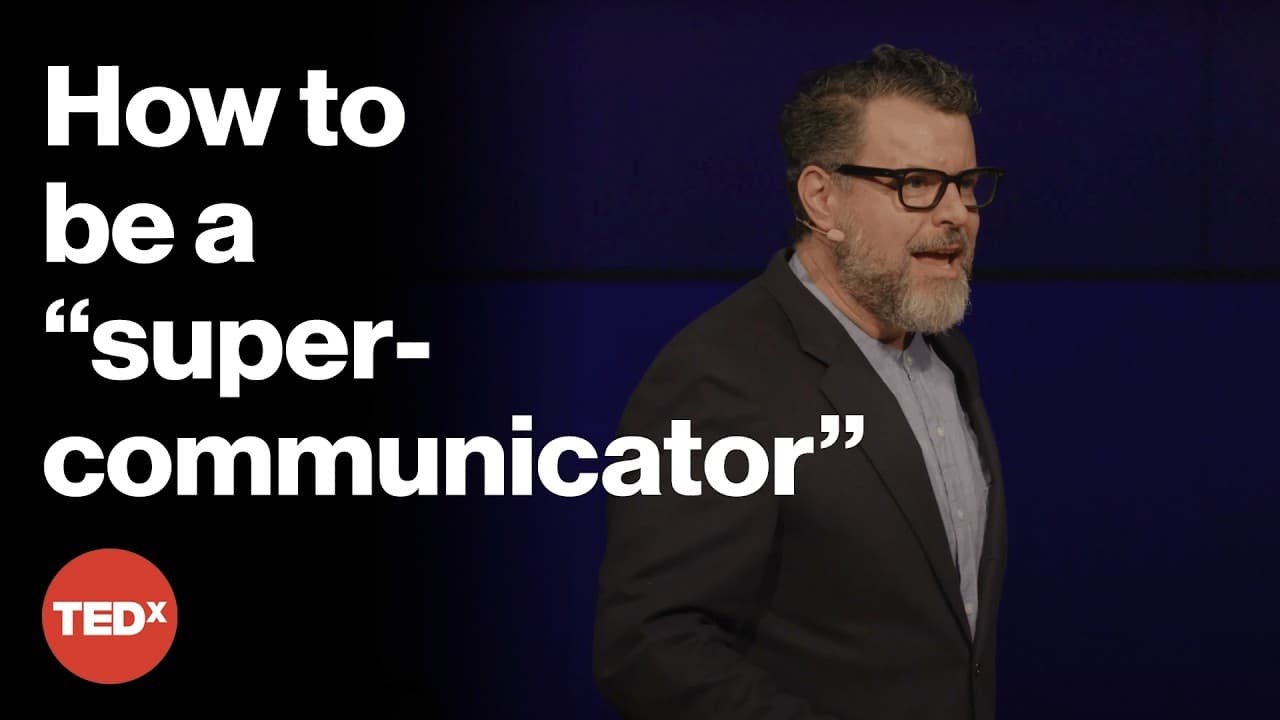
Asking deep questions, like 'When was the last time you cried in front of someone?', can significantly enhance emotional connections and communication. These questions invite vulnerability, helping individuals align the type of conversation they are having, whether emotional, practical, or social, leading to more meaningful interactions.
Transcript
I'm going to ask you uh to participate in an experiment which is that when you leave this room when you go out into the world today tomorrow whenever you feel like it I'd like you to ask and answer one question of someone who's a stranger you might meet them on the bus you might meet them walking down the street and I'm going to show you the questi... Read More
Key Insights
- 🅰️ Effective communication requires recognizing the type of conversation occurring and matching emotional, practical, or social aspects.
- 👻 Deep questions can foster vulnerability, allowing individuals to connect more authentically and empathetically.
- 🥺 Misaligned conversations can lead to frustration; understanding each other's needs is essential for meaningful dialogue.
- 😷 Asking about emotional experiences, like crying, can break down barriers between strangers and encourage deeper connections.
- 🧑🏭 Conversations are often more productive and fulfilling when they focus on feelings rather than just facts or advice.
- 🤕 The “golden age of understanding communication” is marked by new insights from research that can improve personal interactions.
- ❓ Super communicators have learned skills that enhance their ability to connect, a skill that anyone can develop.
- 🎙️ More videos with Charles Duhigg:
Install to Summarize YouTube Videos and Get Transcripts
Explore YouTube Video Summarizer or Get YouTube Transcript Extractor
Questions & Answers
Q: What is the purpose of the experiment involving asking strangers about crying?
The purpose of the experiment is to foster deep emotional connections through vulnerability. By asking a personal question about crying, individuals can explore their emotions with strangers, which often leads to richer, more meaningful conversations. Participants have reported feeling more connected to each other after discussing such personal topics.
Q: How does the speaker explain the concept of misaligned conversations?
The speaker explains that during conversations, people often engage in misaligned discussions—one person may be expressing emotional feelings while the other is offering practical advice. This disconnect prevents effective communication, leading to misunderstandings and frustration, particularly in personal relationships like marriage.
Q: What does the 'matching principle' emphasize about communication?
The matching principle emphasizes that successful communication requires participants to recognize and align their conversations—whether emotional, practical, or social. When individuals share the same type of conversation, they can connect more deeply, understanding each other's perspectives and needs effectively.
Q: How can one apply the insights from the speaker's experience with the cancer surgeon?
One can apply the insights by asking deep questions that address personal feelings rather than jumping straight into advice or solutions. In the case of the cancer surgeon, by asking what the cancer diagnosis means to his patients, he was able to understand their emotional state and guide them more effectively toward their needs.
Q: What are 'deep questions' and why are they significant?
Deep questions are inquiries that encourage individuals to reflect on their values, beliefs, and emotions, rather than superficial facts. These questions are significant because they can prompt meaningful exchanges that foster connectedness and vulnerability, making conversations more impactful and fulfilling.
Q: In what ways did asking the deep questions change the cancer surgeon's practice?
By incorporating deep questions into his practice, the cancer surgeon found that he better understood his patients' emotional needs, leading to increased acceptance of active surveillance over immediate surgery. This approach significantly improved patient outcomes and satisfaction, as it fostered trust and rapport between doctor and patient.
Q: What impact has the experiment had on participants' perceptions of connections?
Participants of the experiment often report feeling a stronger connection to their conversation partners after discussing vulnerable topics, such as crying. They express that these conversations have been some of the most meaningful interactions they've experienced, highlighting the power of sharing personal experiences.
Q: Why do people typically hesitate to participate in the experiment?
People hesitate to participate because the idea of discussing a personal, emotional topic with a stranger feels intimidating and uncomfortable. The fear of vulnerability and the social etiquette around discussing emotions often cause resistance, despite the potential for deeper connections through such conversations.
Summary & Key Takeaways
-
The speaker encourages participants to engage with strangers by asking a meaningful question about their emotional experiences, specifically when they last cried in front of someone.
-
A personal anecdote illustrates how misaligned conversations can hinder communication, demonstrating the importance of recognizing and matching the type of conversation happening.
-
The speaker shares how deep questions can foster vulnerability and connection, enhancing relationships and communication effectiveness.
Read in Other Languages (beta)
Share This Summary 📚
Summarize YouTube Videos and Get Video Transcripts with 1-Click
Try YouTube Summary with ChatGPT & Claude or YouTube Transcript Generator
Explore More Summaries from TEDx Talks 📚






Summarize YouTube Videos and Get Video Transcripts with 1-Click
Try YouTube Summary with ChatGPT & Claude or YouTube Transcript Generator