How to turn a $2K automation into a SaaS
TL;DR
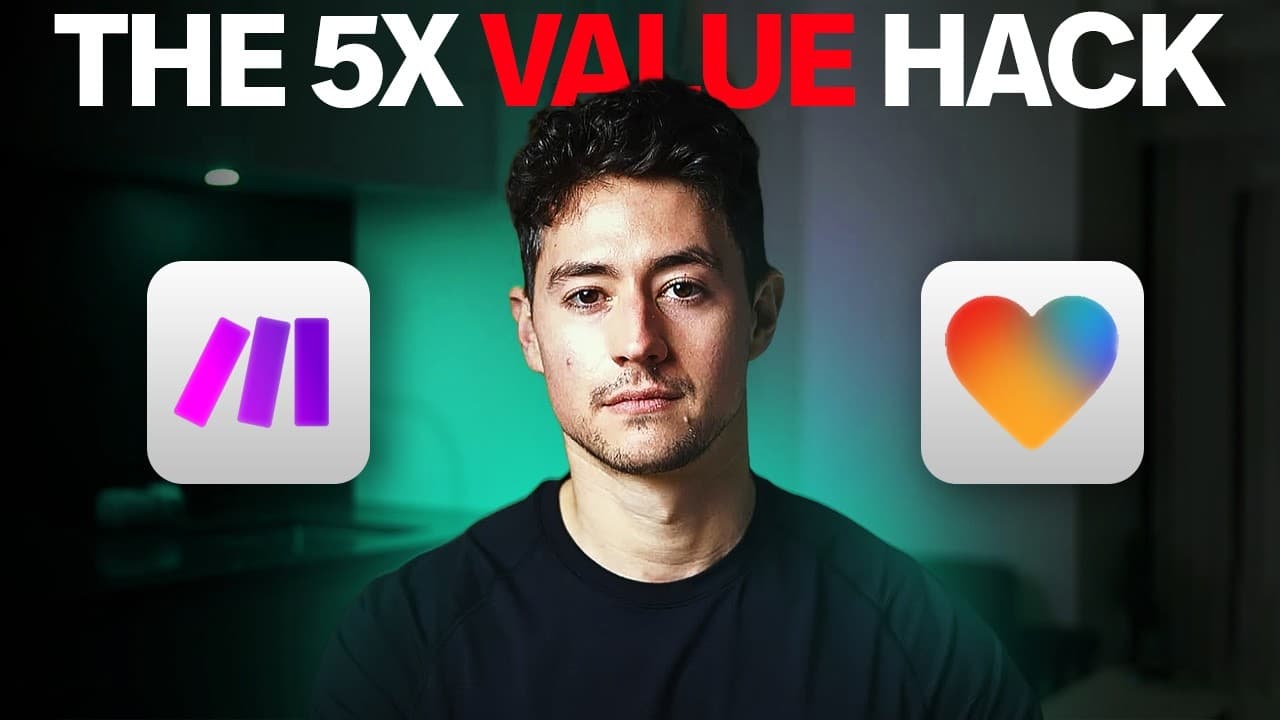
The video shows turning an existing automation blueprint into a full SaaS style front end using no code tools. It demonstrates feeding templates into Lovable to create a branded, client ready app and proposal system, then selling the integrated solution at higher value by reducing complexity and cost for customers.
Transcript
Today, I'll show you how to sell any automation for between two to five times the amount using a simple opportunity that has really only been around for the better part of the last month or so. The big idea here is we're going to take a winning system, a system that maybe we've already built or a blueprint or a template from somebody's YouTube chan... Read More
Key Insights
- A winning system can be turned into a SaaS front end using Lovable
- One-click links reduce perceived complexity for customers
- Branding the product to the client increases perceived value
- Templates from blueprints can be repurposed for new sales
- A simple form can generate high quality proposals automatically
- The approach enables high value sales, demonstrated by large cumulative sales
- No-code tools can automate proposal workflows end to end
- Speed is a key advantage, with demos around 15 to 30 minutes build time
- More videos from this channel:
- More from this channel: Nick Saraev
Install to Summarize YouTube Videos and Get Transcripts
Explore YouTube Video Summarizer or Get YouTube Transcript Extractor
Questions & Answers
Q: How can a basic automation be converted into a SaaS offering using no code tools
The core idea is to take a winning automation blueprint that may already exist and feed it into a no code platform like Lovable to generate a complete front end. This creates a SaaS like product that is easy to brand, share, and sell. By converting a manual process into a one click experience, the perceived complexity drops dramatically and customers see clear value. The approach also leverages templates to speed up setup, enabling you to demonstrate a ready to use system in a short time frame, often within minutes to half an hour, which supports faster sales cycles and higher close rates.
Q: What role does branding play in selling automations as SaaS
Branding matters because it makes the product feel like a tailored solution rather than a generic tool. The video shows branding the product to the client’s liking, which increases perceived value and helps justify higher pricing. A branded, polished front end plus a professional proposal increases credibility in sales conversations and can support pricing that reflects the added value of a ready to use system.
Q: How does Lovable contribute to the automation to SaaS workflow
Lovable is used to generate the front end and handle the logic needed to present the system as a ready to use application. It can create forms, wire in web hooks, and drive the flow that produces a proposal. This reduces development time and allows sellers to present a complete, branded product with a one click link. The integration with other tools is shown as part of a broader no code strategy.
Q: What kind of results or sales were demonstrated using this approach
The video references selling a system for up to around $100,000 over the lifetime of the automation business. This illustrates how packaging a repeatable process into a SaaS like offering can yield high value. The emphasis is on speeding up the sales process and delivering a professional, end to end solution that clients can trust and pay a premium for.
Q: How quick is the process to generate a front end and proposal
The presenter demonstrates constructing the front end in roughly 20 to 30 minutes by connecting a simple no code tool with Lovable and a template based system. The speed is a core advantage, showing that a complete, client ready flow including proposal generation can be produced in a short session rather than a long custom build.
Q: What components are included in the end to end system
The end to end system includes a front end generated by Lovable, a simple form or type form like input interface, webhook based data flow, AI generated proposal content, a Panda Doc style proposal, and email delivery of the proposal. It also includes tracking of the generated assets and the ability to share a single link with the client, making the whole process turnkey.
Q: Why is automation packaging into SaaS considered valuable in this video
Packaging automation into a SaaS like offer creates efficiency and scale. It reduces manual effort, standardizes deliverables, and creates a repeatable sales script with a polished asset that can be sold multiple times. The combined effect is higher perceived value for customers, faster deployment, and a more predictable revenue stream compared to one off projects.
Q: What is the suggested workflow for pitching to a customer
The workflow starts with a sales call, during which a simple form is filled with client details. Then the system generates a detailed proposal automatically, including milestones and timelines. A branded front end and a ready to use SaaS like product are presented, accompanied by a proposal delivered via email. This creates a professional impression and supports faster decisions by the client.
Q: How does the video illustrate the use of templates and blueprints
The video shows taking pre existing templates or blueprints and feeding them into Lovable to generate a complete front end and proposal system. By reusing proven structures, the process saves time and increases reliability. This approach enables selling a high value system built from an existing blueprint rather than creating everything from scratch each time.
Q: What is the one key idea behind increasing value in this method
The key idea is to reduce perceived complexity and cost for the customer while delivering a branded, ready to use system. By packaging the automation as a SaaS like product with a one click access link, high value can be demonstrated quickly, leading to larger sales and a more scalable business model.
Summary & Key Takeaways
-
This overview explains turning a low-cost automation into a SaaS product by using Lovable and templates to generate a front end and proposals quickly. The approach emphasizes speed, branding, and a professional sales process that can be applied to various automation blueprints.
-
The method showcases a no-code workflow: take a winning system, connect it to Lovable for frontend generation, create a realistic proposal flow, and pitch it with a polished, client-branded presentation.
-
The result is a repeatable, scalable way to package and sell automation projects as SaaS with a one-click link and automated proposals that boost perceived value.
Read in Other Languages (beta)
Share This Summary 📚
Summarize YouTube Videos and Get Video Transcripts with 1-Click
Try YouTube Summary with ChatGPT & Claude or YouTube Transcript Generator
Explore More Summaries from Nick Saraev 📚




Summarize YouTube Videos and Get Video Transcripts with 1-Click
Try YouTube Summary with ChatGPT & Claude or YouTube Transcript Generator