How Can Strategic Praise Change Child Behavior?
TL;DR
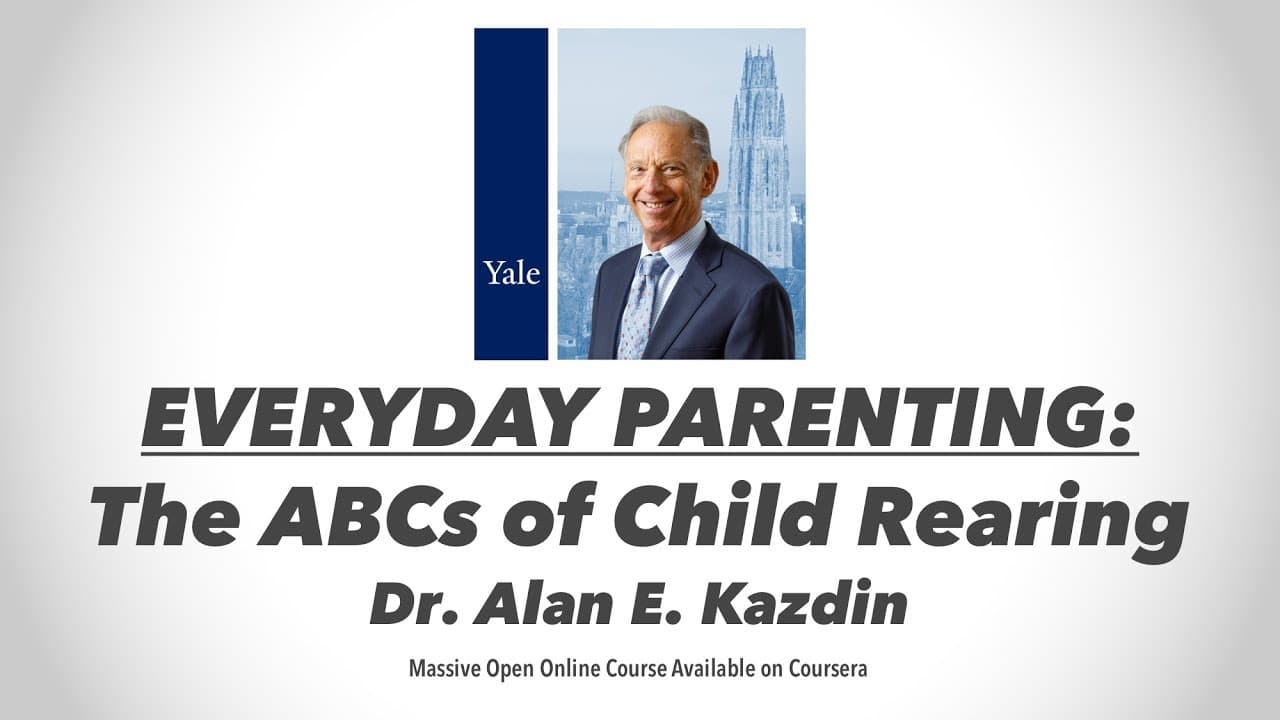
Strategic praise can significantly change child behavior by incorporating three key components: enthusiastic delivery, specific acknowledgment of the behavior, and nonverbal affection. For effectiveness, praise should be immediate and focus on small incremental changes while avoiding generic or self-centered comments. Instead of praising the child personally, it's important to praise the specific behavior to support positive self-esteem.
Transcript
we've been talking about various techniques child behavior the techniques are a package and they have to be combined we are breaking them down into individual techniques in this video we will talk about praise that is praising one's child so what is praise well praise is very familiar it refers to expressing approval in some way we know this very w... Read More
Key Insights
- 👏 Praise is a powerful tool in changing and developing child behavior.
- 👏 Strategic praise consists of three components: enthusiastic delivery, specificity, and nonverbal affection.
- 👏 Praise should be immediate, focus on small increments of behavior, and avoid vacuous or self-focused statements.
- 🤑 Strategic praise can be used to both develop desired behaviors and eliminate undesirable ones.
- 👏 Praising the behavior, not the person, helps to avoid negative effects on a child's self-esteem.
- 👏 Caboose statements that undermine praise should be avoided.
- 👏 Praise should be used as part of a comprehensive approach to changing child behavior, alongside other tools and techniques.
Install to Summarize YouTube Videos and Get Transcripts
Explore YouTube Video Summarizer or Get YouTube Transcript Extractor
Questions & Answers
Q: How does strategic praise differ from routine praise?
Strategic praise is specifically used to change or develop behaviors, whereas routine praise is given for everyday actions. Strategic praise involves enthusiastic delivery, specificity, and nonverbal gestures.
Q: Can praise be used to address undesirable behaviors?
Yes, strategic praise can be used to redirect or eliminate undesirable behaviors. By praising the desired behavior and providing positive reinforcement, it becomes more likely that the child will repeat the desired behavior in the future.
Q: How should praise be delivered to be effective?
Praise should be immediate, delivered right after the behavior is exhibited. It should also focus on small increments of behavior initially to encourage progress. Additionally, praise should avoid vacuous statements and should not be conditional on the child's likability.
Q: How long should strategic praise be used to change behavior?
Strategic praise is not meant to be used indefinitely. It is a temporary program designed to make permanent changes. Once the desired behavior is established, praise can be gradually phased out.
Summary & Key Takeaways
-
Praise has two types: routine praise for everyday behaviors and strategic praise for changing or developing behavior.
-
Strategic praise consists of three components: enthusiastic delivery, stating the specific behavior, and nonverbal affection.
-
Effective praise should be immediate, focus on small increments of behavior, and avoid vacuous or self-focused statements.
Read in Other Languages (beta)
Share This Summary 📚
Summarize YouTube Videos and Get Video Transcripts with 1-Click
Try YouTube Summary with ChatGPT & Claude or YouTube Transcript Generator
Explore More Summaries from YaleCourses 📚

Summarize YouTube Videos and Get Video Transcripts with 1-Click
Try YouTube Summary with ChatGPT & Claude or YouTube Transcript Generator