What Is the Paradox of Control and How Does It Affect Us?
TL;DR
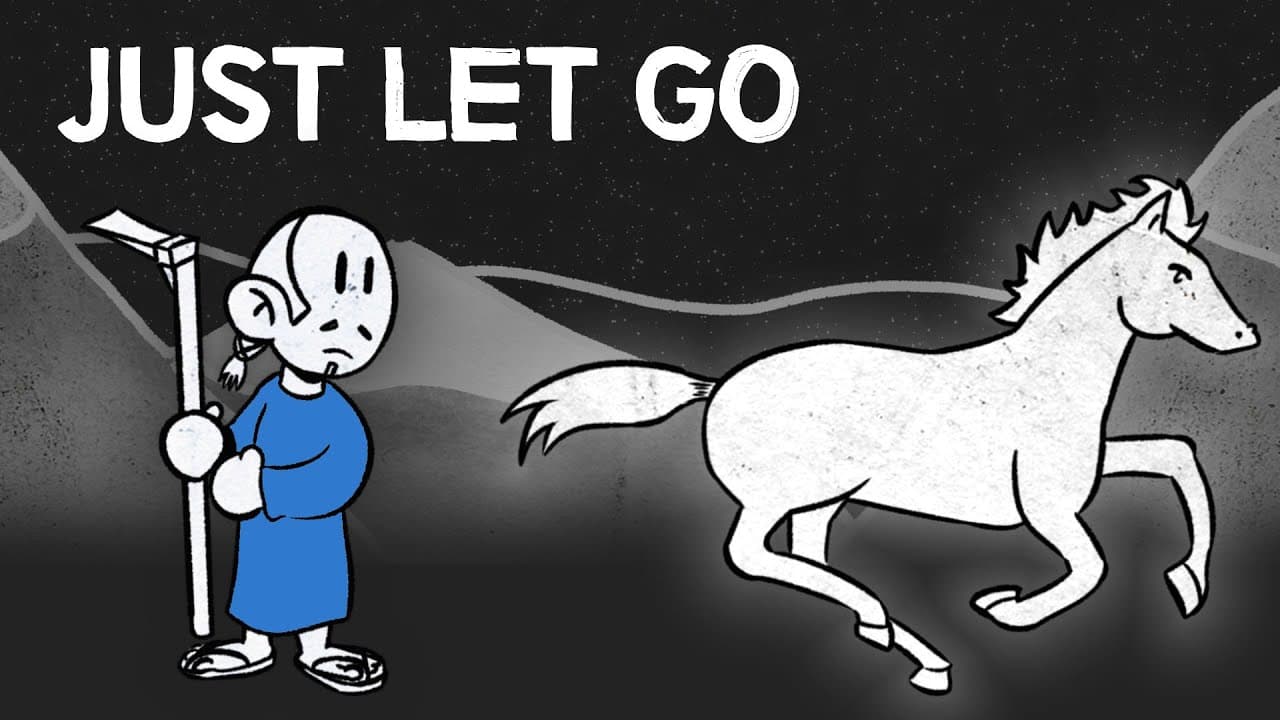
The paradox of control illustrates that our attempts to manage the uncontrollable lead to greater anxiety and vulnerability. By fixating on external outcomes, we neglect developing inner resilience and adaptability. True security comes from accepting life's unpredictability rather than trying to control it, allowing us to focus on what we can genuinely influence, such as our thoughts and actions.
Transcript
Once upon a time, in the tropics, there was a man who lived near a river that often flooded during the rainy season. So, every year, he would build a dam trying to control the floodwaters and protect his home and property. Every year he’d put great effort into building a bigger and stronger dam, assuming he’d be better protected against the floodin... Read More
Key Insights
- 🍗 Trying to control the uncontrollable can make us more vulnerable and less prepared for unpredictable forces.
- 🫡 The story of King Canute and the teachings of Epictetus emphasize the importance of acknowledging the limits of human control and respecting the natural order of the world.
- 😨 Our desire for control often stems from underlying insecurity and fear of the unknown and unpredictable aspects of life.
- 🤯 True security and peace of mind come from cultivating inner resilience and acceptance of the uncontrollable nature of life.
- 🥶 Embracing the unpredictable can free us from unnecessary suffering and anxiety.
- 💭 By focusing on what we can control, such as our thoughts, emotions, and actions, we can generate inner resilience and adaptability.
- 🛟 Flexibility, openness, and a willingness to change course are essential in navigating the uncontrollable nature of life.
Install to Summarize YouTube Videos and Get Transcripts
Explore YouTube Video Summarizer or Get YouTube Transcript Extractor
Questions & Answers
Q: How does our desire for control make us more vulnerable?
When we become overly reliant on controlling external circumstances, we neglect other strategies and become less prepared for the unpredictable forces of nature. Additionally, our attachment to control makes us more vulnerable to suffering when things don't go as planned.
Q: How does the story of King Canute illustrate the paradox of control?
King Canute's futile attempt to control the tide demonstrates that even the most powerful individuals have limits to their power. It serves as a reminder of the importance of acknowledging the limits of our control and respecting the natural order of the world.
Q: What is the significance of Epictetus' distinction between what we can and cannot control?
Epictetus' view highlights the importance of focusing on what is within our power, such as our opinions and actions. By accepting what we cannot control, we can develop inner resilience and become less vulnerable to the whims of fate and unpredictable forces of nature.
Q: How does the story of the Taoist farmer illustrate the paradox of control?
The story shows that our attempts to control outcomes are often futile, as what we perceive as negative or positive may turn out to be the opposite over time. It encourages us to adopt a humble and accepting attitude toward the unpredictability of life.
Key Insights:
- Trying to control the uncontrollable can make us more vulnerable and less prepared for unpredictable forces.
- The story of King Canute and the teachings of Epictetus emphasize the importance of acknowledging the limits of human control and respecting the natural order of the world.
- Our desire for control often stems from underlying insecurity and fear of the unknown and unpredictable aspects of life.
- True security and peace of mind come from cultivating inner resilience and acceptance of the uncontrollable nature of life.
- Embracing the unpredictable can free us from unnecessary suffering and anxiety.
- By focusing on what we can control, such as our thoughts, emotions, and actions, we can generate inner resilience and adaptability.
- Flexibility, openness, and a willingness to change course are essential in navigating the uncontrollable nature of life.
- Our lack of confidence often stems from our need for control, and embracing the uncontrollable can help us find inner strength and courage.
Summary & Key Takeaways
-
The story of a man building a dam to control floodwaters highlights the futility of trying to control uncontrollable forces of nature and neglecting other strategies.
-
King Canute's failed attempt to control the tide shows the limitations of human control and the need for humility.
-
Epictetus' distinction between what we can and cannot control emphasizes the importance of focusing on our opinions and actions, rather than external circumstances.
Read in Other Languages (beta)
Share This Summary 📚
Summarize YouTube Videos and Get Video Transcripts with 1-Click
Try YouTube Summary with ChatGPT & Claude or YouTube Transcript Generator
Explore More Summaries from Einzelgänger 📚

Summarize YouTube Videos and Get Video Transcripts with 1-Click
Try YouTube Summary with ChatGPT & Claude or YouTube Transcript Generator