So, you're a lone wolf?
TL;DR
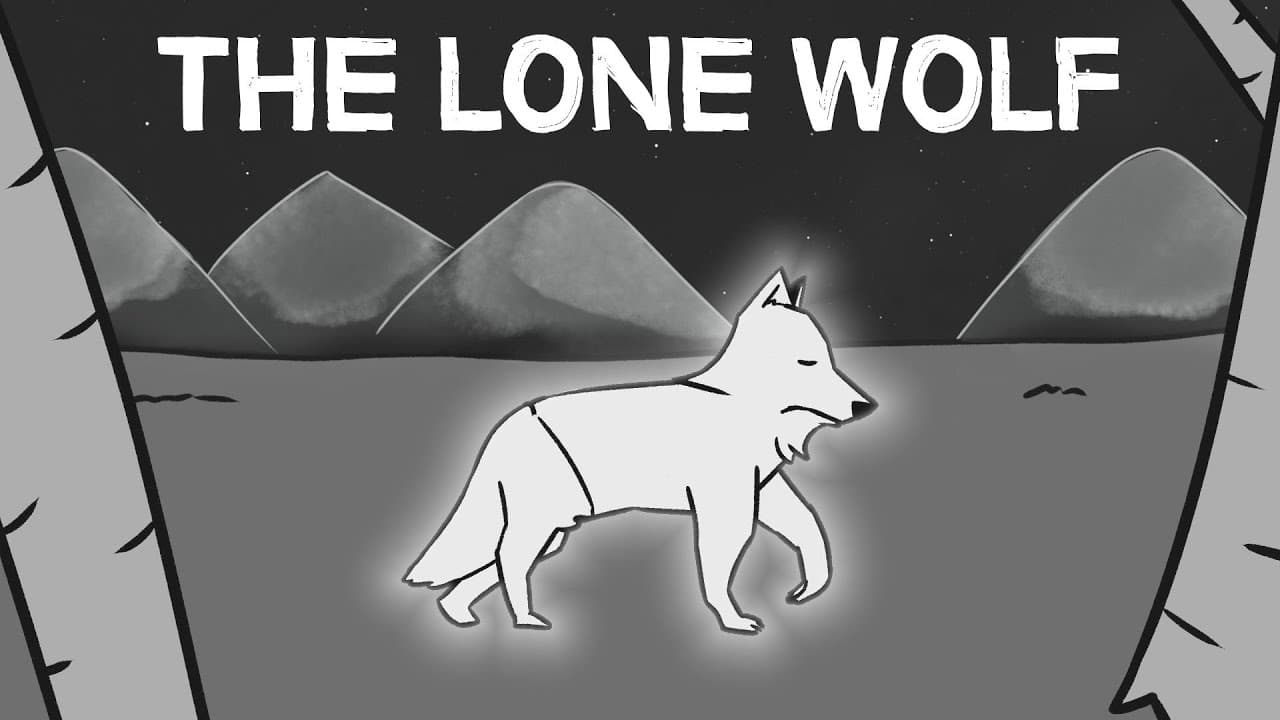
Being a lone wolf can provide peace, autonomy, introspection, and creative focus, but it also risks isolation, lost community, and mental health problems. The speaker’s years-long shift from social butterfly to independent loner brought genuine freedom without making life wholly happy. Even dispersing wolves eventually reconnect with others, challenging the romantic image of permanent solitude. Read on to weigh solitude’s benefits against its emotional and social price.
Transcript
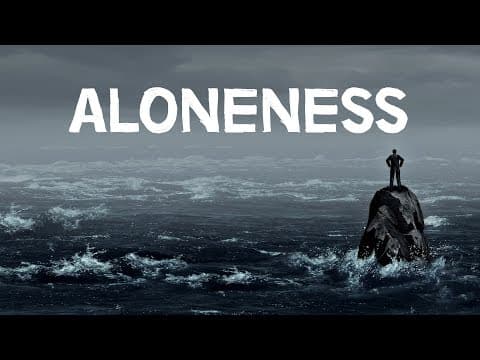
For a long time, I’ve been identifying myself as a loner. I saw myself as someone who functions better and is also happier when in solitude. I wore this label proudly and even named my channel after my self-proclaimed loner status. I aspired to be as solitary as possible in most areas of my life. “I don’t need people,” I thought. “Of course I don’t... Read More
Key Insights
- 🐺 Being a loner is often romanticized and seen as a source of freedom, independence, and authenticity.
- 🌟 Solitude offers benefits such as peace, quiet, freedom of expression, and mental rest.
- 😞 Avoiding people can be a result of negative experiences with toxic individuals or feeling emotionally drained by others.
- 🔐 The price of being a lone wolf includes vulnerability, isolation, and a lack of community and warmth.
- 👥 Humans have an innate need for social interaction and companionship, as seen throughout history.
- 😢 Loneliness can lead to mental health problems, and the desire for social connection may persist despite embracing solitude.
- 🐺 The concept of a lone wolf in wolf packs is a misconception; dispersing wolves eventually reconnect with others.
- 💡 Transitioning from solitude to reconnecting with others can be a period of healing and growth.
- 📚 Related book: Stoicism for Inner Peace
- 📥 Export your Kindle highlights to Glasp: How to Download Highlights and Notes from Kindle
Install to Summarize YouTube Videos and Get Transcripts
Explore YouTube Video Summarizer or Get YouTube Transcript Extractor
Questions & Answers
Q: What does it mean to be a lone wolf?
A lone wolf is portrayed as someone who lives and acts independently, unanchored to a group and free from its expectations. The speaker embraced this identity by living, eating, sleeping, and working largely alone, but found that the lifestyle brought both happiness and challenges.
Q: What are the main benefits of solitude?
Solitude can offer peace, quiet, autonomy, mental rest, and freedom from social expectations. It also creates time for introspection, creative pursuits, focused work, and choosing what to do without consulting anyone else.
Q: Why do some people distance themselves from others?
Some people withdraw after toxic relationships, emotionally draining interactions, or experiences of feeling alone even in company. Solitude can then seem like a path toward tranquility, authenticity, and relief from irritating behavior or pressure to display socially acceptable emotions.
Q: Is being alone the same as being lonely?
No, being alone can be enjoyable and may provide freedom, rest, and contentment. Loneliness is the painful absence of desired connection, and the page notes that it can be associated with mental health problems even when someone has embraced solitude.
Q: What freedom does a solitary lifestyle provide?
A solitary person can decide where to go, what to do, and how to spend time without explaining those choices to anyone. Solitude also reduces disagreements and the need to mask emotions, follow group expectations, or worry that honest expression will offend someone.
Q: Does being a lone wolf guarantee happiness?
No. After spending years transforming from a social butterfly into a loner, the speaker answers the question of happiness with “yes and no.” The lifestyle delivered independence and plentiful solitude, but its challenges appeared in different forms from those of social life.
Q: What are the drawbacks of living as a lone wolf?
The price can include vulnerability, isolation, loss of community, lack of warmth, and the absence of intimate relationships. Although solitude offers mental rest, social resignation can negatively affect mental health and leave the desire for companionship unresolved.
Q: Are lone wolves naturally committed to permanent isolation?
No, the idea that lone wolves prefer lifelong isolation is described as a human projection onto wolf behavior. Dispersing wolves may temporarily leave a pack to find a mate and establish a new family, so even the animal metaphor ultimately points back toward connection.
Summary & Key Takeaways
-
The video discusses the allure of being a solitary individual, highlighting the joys of solitude, freedom of expression, and introspection.
-
It also explores the reasons why people choose to be alone, such as toxic relationships, emotional draining, and a desire for peace and authenticity.
-
However, it acknowledges the downsides of social resignation, including the loss of community, the absence of intimate relationships, and the potential negative impact on mental health.
Read in Other Languages (beta)
Share This Summary 📚
Summarize YouTube Videos and Get Video Transcripts with 1-Click
Try YouTube Summary with ChatGPT & Claude or YouTube Transcript Generator
Explore More Summaries from Einzelgänger 📚


Summarize YouTube Videos and Get Video Transcripts with 1-Click
Try YouTube Summary with ChatGPT & Claude or YouTube Transcript Generator