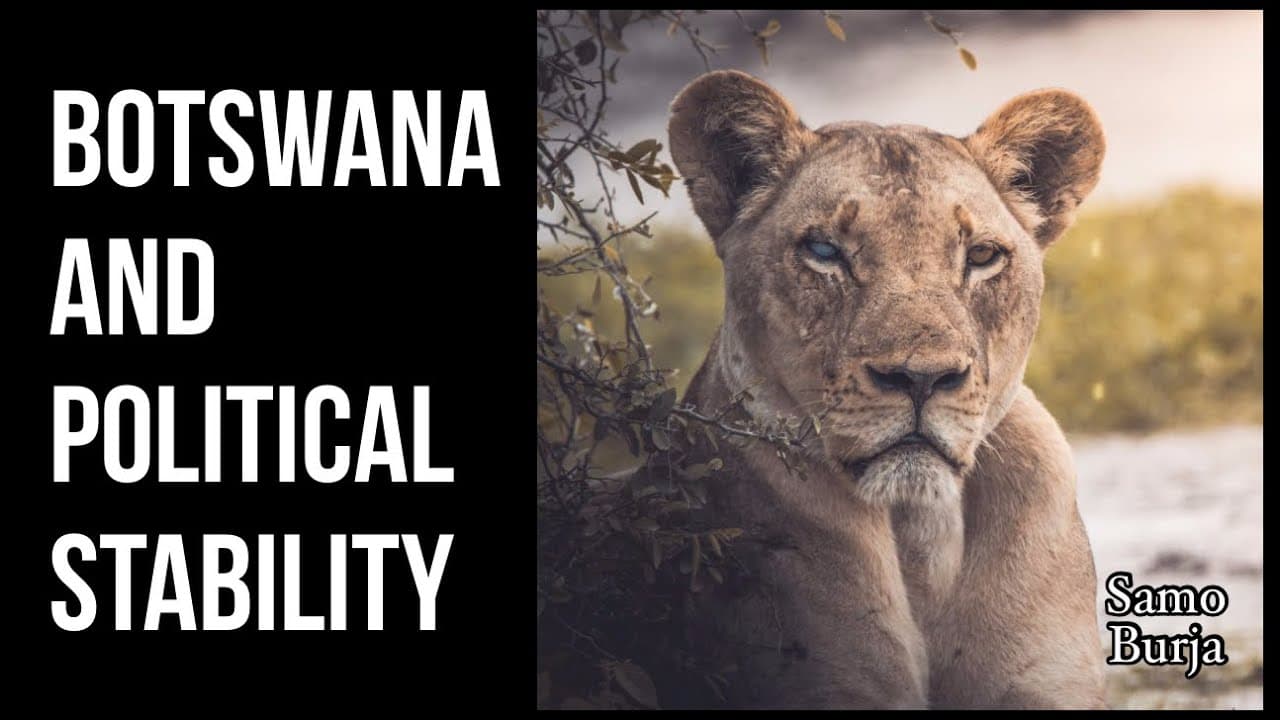
Palladium Podcast 9: Botswana and Political Stability
TL;DR
China invests in Africa and Europe through the Belt and Road Initiative, aiming to secure economic power and influence.
Transcript
welcome to the palladium podcast episode 9 I'm joined here this time with Wolf Tybee yeah I'm here and Sawa Borya who's the founder of Bismarck analysis a political risk consulting firm and he's also a brilliant sociologist so tsommo thanks for joining us on the show very much looking forward to the conversation wait we forgot to introduce our edit... Read More
Key Insights
- 🇧🇼 Botswana's political stability is due to successful succession, emphasizing the significance of trusted partnerships and skilled leadership transfers.
- 📽️ China's Belt and Road Initiative seeks to establish economic leverage and influence globally by investing in infrastructure projects.
- ❓ The Chinese Communist Party's alignment with Marxist ideology may impact its foreign policy decisions and economic strategies.
- 🇧🇼 Successful governance models like Botswana provide critical lessons for sustainable political stability and economic development.
- ✊ The implications of China's economic power and influence in global geopolitics raise concerns about existing power structures and foreign relations.
- 🇨🇳 China's strategic investments through the Belt and Road Initiative have the potential to reshape economic and political landscapes in various regions.
- 🌐 The CCP's adherence to Marxist ideology may influence its approach to international relations and economic competition on a global scale.
Install to Summarize YouTube Videos and Get Transcripts
Explore YouTube Video Summarizer or Get YouTube Transcript Extractor
Questions & Answers
Q: How does Botswana ensure political stability through successful succession?
Botswana's unbroken chain of presidential succession ensures stable governance, emphasizing the importance of trusted partnerships and skilled leadership transfers.
Q: What is the motivation behind China's Belt and Road Initiative?
China aims to establish economic leverage and influence globally by investing in infrastructure projects through the Belt and Road Initiative in various regions, including Africa and Europe.
Q: How does the Chinese Communist Party's alignment with Marxist ideology impact its foreign policy decisions?
The CCP's adherence to Marxist ideology may affect its foreign policy stance by providing a basis for legitimacy and guiding economic and geopolitical strategies.
Q: What are the implications of China's economic power and influence in the context of global geopolitics?
China's economic dominance and strategic investments, particularly in Africa and Asia, raise concerns and challenges for existing geopolitical structures and foreign relations.
Summary & Key Takeaways
-
Botswana demonstrates the importance of government stability and successful succession in political power transitions.
-
China's Belt and Road Initiative creates economic and geopolitical influence by investing in infrastructure globally.
-
The Chinese leadership's alignment with Marxist ideology may have implications for foreign policy and economic competition.
Read in Other Languages (beta)
Share This Summary 📚
Summarize YouTube Videos and Get Video Transcripts with 1-Click
Try YouTube Summary with ChatGPT & Claude or YouTube Transcript Generator
Explore More Summaries from Samo's Podcasts 📚




Summarize YouTube Videos and Get Video Transcripts with 1-Click
Try YouTube Summary with ChatGPT & Claude or YouTube Transcript Generator