Ocean Vuong on How to Write Lush, Vivid Prose
TL;DR
Writing lush and vivid prose requires cultivating a sense of awe and wonder in the world. Ocean Vuong emphasizes the importance of observation and metaphor in writing, encouraging writers to embrace novelty and surprise. He challenges the homogenization of language and promotes daringness and disobedience in creative expression.
Transcript
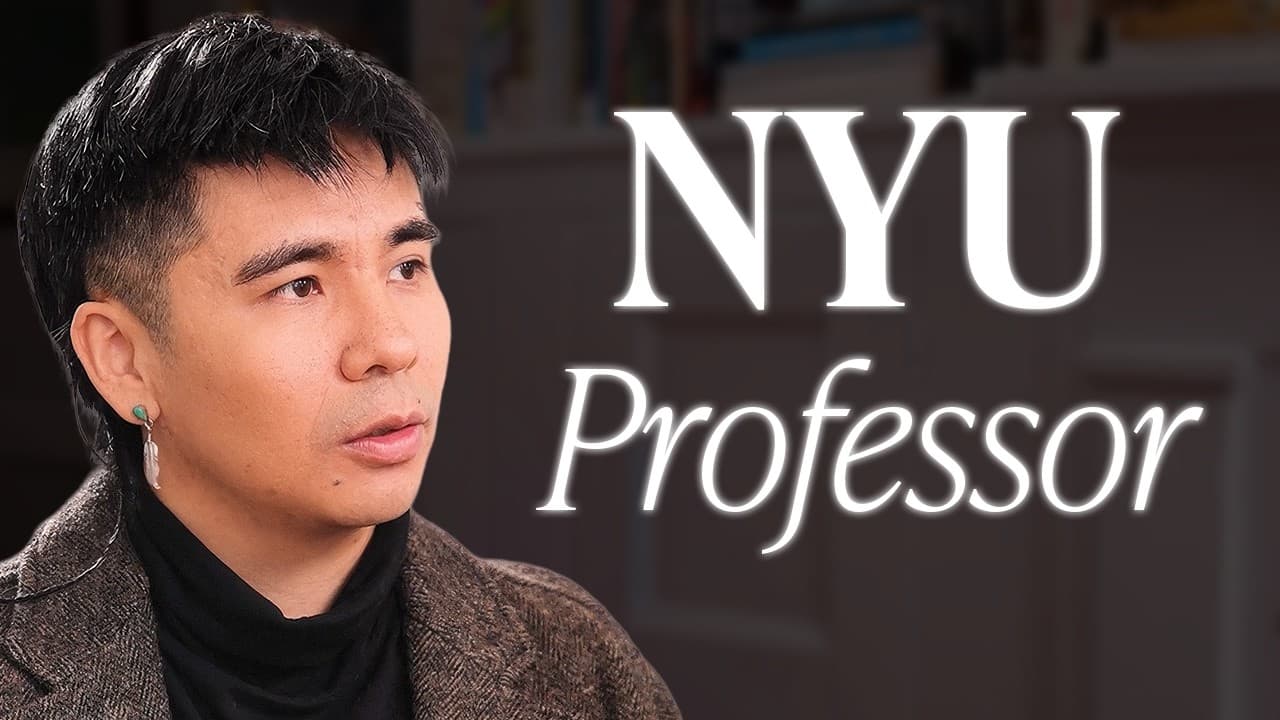
Ocean Vangu is on the show and he's a poet. He's a novelist. He's a professor at NYU. What he's really good at is just writing in this fresh and enchanted and imaginative way. He has this way of seeing and experiencing the world that's alive, that's filled with wonder. And if you want to write pros that's lush, words that are vivid, stories that pu... Read More
Key Insights
- Metaphors are crafted through observation and can take years to develop.
- Workshops should focus on recognition rather than correction to foster unique voices.
- The homogenization of language, accelerated by AI, limits creative expression.
- Historically, writing has been shaped by societal norms, often leading to rigid structures.
- Clichés can be revitalized by presenting them in new and surprising contexts.
- Writing involves seeing the world anew, not just recognizing familiar patterns.
- A significant portion of writing is about looking and thinking, not just syntax.
- Poetry serves as a laboratory for experimentation with language and style.
Install to Summarize YouTube Videos and Get Transcripts
Explore YouTube Video Summarizer or Get YouTube Transcript Extractor
Questions & Answers
Q: How does Ocean Vuong approach teaching writing?
Ocean Vuong focuses on recognition rather than correction in writing workshops. He believes that workshops should help writers identify their unique tendencies and patterns, rather than conforming to rigid rules. This approach fosters individuality and creativity, allowing writers to recognize their own voice and style, rather than being constrained by traditional norms.
Q: What is the role of metaphor in writing according to Ocean Vuong?
Metaphors play a crucial role in writing by allowing writers to see the world in new ways. Vuong emphasizes that crafting a good metaphor involves deep observation and can take years to develop. Metaphors disrupt mimetic descriptions, inviting readers to engage with the text on a deeper level and bringing fresh perspectives to familiar scenes.
Q: Why does Ocean Vuong criticize the homogenization of language?
Vuong criticizes the homogenization of language, particularly in the age of AI, because it limits creative expression. He argues that standardized language, often promoted by tools like Grammarly, discourages unique and daring writing styles. This homogenization stifles innovation and creativity, leading to a loss of individuality in writing.
Q: How does Ocean Vuong view the historical evolution of writing?
Ocean Vuong views the historical evolution of writing as influenced by societal norms, which often lead to rigid structures. He notes that writing styles have been shaped by cultural and commercial forces, resulting in a preference for standardized, efficient sentences. Vuong advocates for a return to more varied and expressive writing styles, reminiscent of the Victorian era.
Q: What does Ocean Vuong mean by 'rescuing clichés'?
Rescuing clichés involves presenting familiar ideas in new and surprising ways. Vuong argues that rather than avoiding clichés, writers should strive to estrange them, making them feel fresh and original. By doing so, writers can breathe new life into overused concepts, allowing readers to experience them with renewed interest and engagement.
Q: Why does Ocean Vuong consider poetry a testing ground for writers?
Vuong considers poetry a testing ground because it allows writers to experiment with language and style without the constraints of plot and character. Poetry focuses solely on the transformation of language, providing a space for writers to explore idiosyncratic and strange expressions. This freedom fosters creativity and innovation, which can then be applied to other forms of writing.
Q: What is the significance of observation in writing, according to Ocean Vuong?
Observation is crucial in writing as it enables writers to see the world anew and craft vivid, memorable sentences. Vuong emphasizes that a significant portion of writing involves looking and thinking, rather than just focusing on syntax. By cultivating a keen sense of observation, writers can create rich and imaginative prose that resonates with readers.
Q: How does Ocean Vuong define daringness and disobedience in writing?
Daringness and disobedience in writing involve taking risks and challenging conventional norms. Vuong encourages writers to embrace these qualities by experimenting with language and style, even if it means deviating from traditional expectations. This approach fosters creativity and innovation, allowing writers to discover their unique voice and push the boundaries of literary expression.
Summary & Key Takeaways
-
Ocean Vuong discusses the art of writing vivid prose by emphasizing the power of observation and metaphor. He critiques the homogenization of language, particularly in the age of AI, and encourages writers to embrace daring and disobedience in their work. Vuong highlights the importance of workshops that focus on recognition rather than correction to nurture unique voices.
-
The conversation explores the historical evolution of writing, noting how societal norms have influenced its rigidity. Vuong advocates for rescuing clichés by presenting them in fresh contexts, thus reviving their impact. He underscores the significance of seeing the world anew, rather than merely recognizing familiar patterns.
-
Vuong describes poetry as a testing ground for experimenting with language and style, free from the constraints of plot and character. He emphasizes that a large part of writing involves observation and thought, suggesting that these elements are crucial for crafting memorable sentences.
Read in Other Languages (beta)
Share This Summary 📚
Summarize YouTube Videos and Get Video Transcripts with 1-Click
Try YouTube Summary with ChatGPT & Claude or YouTube Transcript Generator
Explore More Summaries from David Perell 📚
Summarize YouTube Videos and Get Video Transcripts with 1-Click
Try YouTube Summary with ChatGPT & Claude or YouTube Transcript Generator