How to Talk About Your Morning Routine in English

TL;DR
Describe a morning routine with simple present-tense phrases such as “My alarm goes off,” “I get dressed,” “I have breakfast,” and “I commute to work.” Build practical speaking skills by explaining activities in order, comparing weekday and weekend habits, and practicing polite cafe expressions such as “Could I have a cappuccino, please?” and “To go, please.”
Transcript
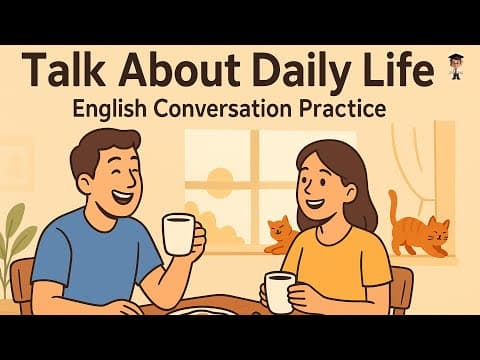
Hello everyone and welcome back to Mr. English Channel. I'm Emily. Hi Emily. It's great to be here for another episode. And hello to all our amazing listeners. We're so excited to start a new series called English in Daily Life. Real conversations for real situations. That's right, Emily. In this series, we'll be exploring everyday topics and showi... Read More
Key Insights
- Morning-routine vocabulary includes practical phrases for waking, personal care, meals, planning, and travel. Examples include “My alarm goes off,” “I hit the snooze button,” “I brush my teeth,” “I get dressed,” “I have breakfast,” and “I commute to work or school.”
- Emily’s morning routine begins around 7:00 a.m. and includes snoozing once or twice, drinking a large glass of water, brushing her teeth, washing her face, making tea, stretching, getting dressed, and choosing between a quick workout and breakfast.
- Paul’s routine emphasizes coffee and daily planning. After having a simple breakfast, such as toast or cereal, he checks his emails and makes a to-do list so he knows what he needs to accomplish during the day.
- Preparing the night before can reduce morning pressure. Emily lays out her clothes before bed, while she also packs her bag in advance when traveling to work, allowing enough time for getting ready and completing the commute.
- Student routines depend on age and class schedules. Younger students may receive parental help with lunches, school bags, and leaving on time, while university students may wake later, study, complete assignments, or buy breakfast on the way to a lecture.
- Cafe ordering uses polite, reusable English expressions. Customers can say “I’d like a coffee, please,” ask for a breakfast sandwich, request oat milk instead of regular milk, choose “for here” or “to go,” and ask “How much is that?” before paying.
- A morning routine can include activities that create energy or calm. The conversation mentions running, yoga, gym exercise, meditation, mindfulness, reading, and following the news as possible ways to prepare physically or mentally for the day.
- Morning routines are personal and can change by day. Emily values quiet time with tea or a book, Paul values coffee and having a plan, and both describe weekends as slower, with later wake-up times and more leisurely breakfasts.
Install to Summarize YouTube Videos and Get Transcripts
Explore YouTube Video Summarizer or Get YouTube Transcript Extractor
Questions & Answers
Q: How do you describe a morning routine in English?
Describe the activities in the order they normally happen using clear phrases such as “My alarm goes off at 7:00 a.m.,” “I get out of bed,” “I brush my teeth,” “I wash my face,” “I get dressed,” and “I have breakfast.” You can continue with planning, checking emails, commuting, or beginning work. Adding words such as “usually,” “often,” “sometimes,” and “depending on the day” helps show how regularly each activity occurs.
Q: What English phrases are useful for talking about waking up?
Useful waking-up phrases include “My alarm goes off at 7:00 a.m.,” “I hit the snooze button,” and “I get out of bed.” Saying that an alarm “goes off” identifies when it rings. Hitting the snooze button means delaying the alarm, while getting out of bed describes physically leaving the bed. You can also explain that you sleep later on weekends or wake earlier when you must allow time for commuting.
Q: How can you order breakfast at a cafe in English?
Begin with “Good morning,” then make a polite request such as “I’d like a coffee, please” or “Could I have a cappuccino, please?” To order food, say “I’ll also take a croissant” or ask, “Do you have any breakfast sandwiches?” When asked “For here or to go?” state where you want to eat. You can then ask for the total, pay by cash or card, and say “Thank you.”
Q: What does “for here or to go” mean at a cafe?
“For here or to go?” asks whether you want to consume your order inside the cafe or take it away. Reply “For here, thank you” if you plan to stay and eat or drink there. Reply “To go, please” if you want to carry the order with you. The exchange is presented as a common part of ordering coffee or breakfast before traveling to work or school.
Q: How can students talk about their morning routines?
Students can describe waking up, showering, getting dressed in a uniform or comfortable clothes, eating breakfast, and preparing for school or university. Younger students may mention parents helping to pack bags, make lunches, and get everyone out the door on time. University students can explain that their schedules are more flexible, that they study or work on assignments in the morning, or that they grab coffee and a pastry before a lecture.
Q: How does commuting affect a morning routine?
Commuting requires people to include travel time in their plans, so they may need to wake earlier and make sure they have enough time to get ready. Packing a bag the night before can reduce stress and prevent delays. During the journey, commuters may listen to music, podcasts, or audiobooks, making the trip more enjoyable or productive while traveling to work or an educational institution.
Q: What activities can be included in a morning routine?
A morning routine can include drinking water, brushing teeth, washing the face, making tea or coffee, stretching, getting dressed, exercising, and eating breakfast. It may also include checking emails, writing a to-do list, reading, following the news, meditating, or practicing mindfulness. People who leave home can add packing a bag, preparing suitable clothing, buying breakfast, and commuting to work or school.
Q: How can you ask someone about their morning routine?
Natural conversation questions include “What’s your morning routine like?”, “How do you start your day?”, “What do you usually do in the morning?”, and “Do you have a set morning routine?” These questions can start conversations with friends, colleagues, or language exchange partners. After asking, you can compare wake-up times, breakfast preferences, exercise habits, commuting plans, and differences between relaxed weekends and busier weekdays.
Summary & Key Takeaways
-
Emily describes waking around 7:00 a.m., pressing the snooze button, drinking water, brushing her teeth, washing her face, making tea, stretching, and getting dressed. She sometimes exercises before preparing a healthy breakfast, then reads a book or catches up on the news before beginning work or leaving home.
-
Paul begins his morning with coffee, followed by a simple breakfast such as toast or cereal. He checks his emails, plans his day, and creates a to-do list. The conversation shows how preparation, including choosing clothes and packing a bag the night before, can save time and reduce stress during busy mornings.
-
Morning routines vary according to work, school, commute, and personal preferences. Students may pack school bags, prepare lunches, study, or eat on the go. Workers may choose suitable clothing and use commuting time for music, podcasts, or audiobooks. The episode also teaches polite phrases for ordering breakfast at a cafe.
Read in Other Languages (beta)
Share This Summary 📚
Summarize YouTube Videos and Get Video Transcripts with 1-Click
Try YouTube Summary with ChatGPT & Claude or YouTube Transcript Generator
Explore More Summaries from Mr. English Channel 📚





Summarize YouTube Videos and Get Video Transcripts with 1-Click
Try YouTube Summary with ChatGPT & Claude or YouTube Transcript Generator