What Is the #1 Anti-aging Hack for Managing Iron Levels?
TL;DR
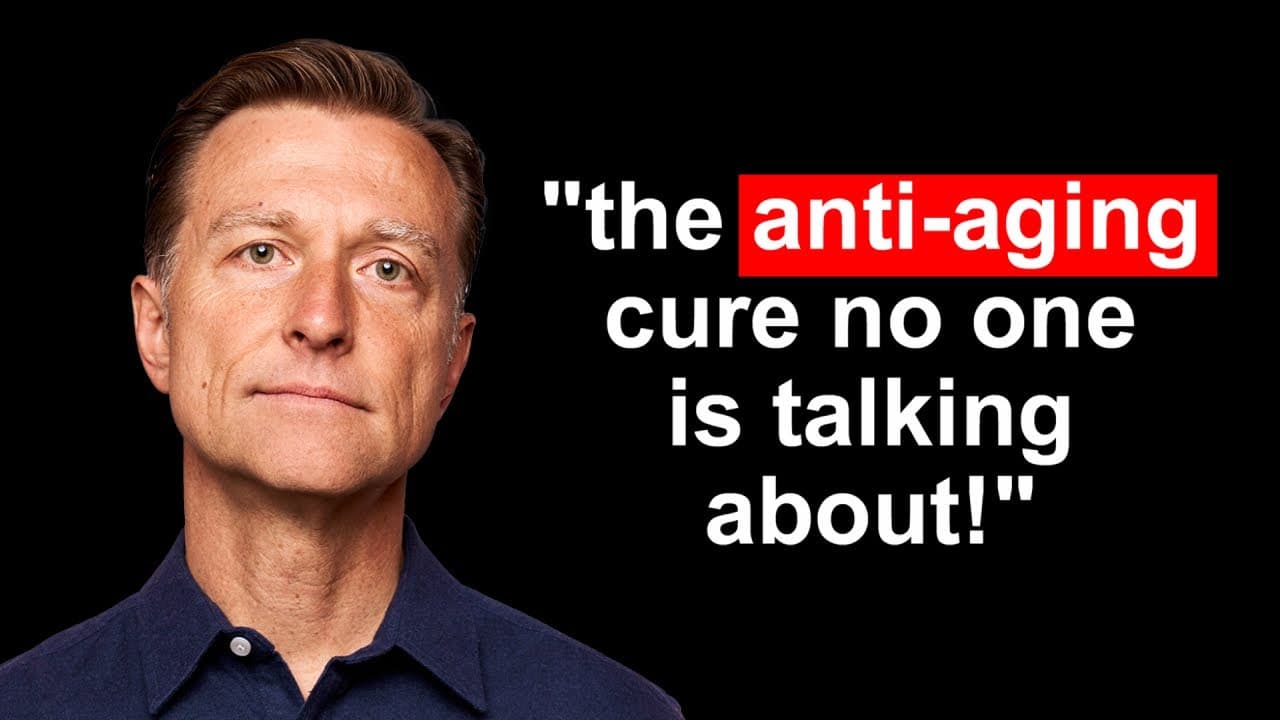
Managing excess iron may slow accelerated aging by reducing the oxidative stress that can damage cells, DNA, membranes, and mitochondria. The speaker says 70% of the body's iron is stored in hemoglobin and recommends limiting iron exposure, getting enough copper and protein, and strengthening antioxidant reserves. Read on to understand dysfunctional iron, ferritin, blood donation, and practical food choices.
Transcript
there is a hidden reason why people are aging a lot faster than they should be and this is really important and unfortunately a lot of people are not concerned about aging until they start to age at any age you need to know this if we have too much iron we do not live as long and it's related to iron deficiency anemia if most of us are deficient in... Read More
Key Insights
- Excess iron in the body can lead to premature aging and increase the risk of diseases such as Alzheimer's, Parkinson's, and cancer due to oxidative stress.
- Iron overload can cause oxidative stress, which damages cells, DNA, and mitochondria, leading to inflammation and accelerated aging.
- The body naturally accumulates more iron as it ages, with 70% of iron stored in hemoglobin, which carries oxygen in the blood.
- Ferritin, which stores iron, should be within tissues to protect against free iron, which can be used by pathogens as fuel.
- Copper is essential in balancing iron levels; too much iron without enough copper can lead to health issues.
- Building up antioxidant reserves is crucial to counter oxidative stress from iron and other factors like pollution and junk food.
- Sources of antioxidants include glutamine from red meat, zinc, manganese, magnesium, selenium, quercetin, curcumin, and melatonin.
- Lactoferrin, found in dairy, is a powerful chelator for iron, helping to decrease iron levels in cells.
Install to Summarize YouTube Videos and Get Transcripts
Explore YouTube Video Summarizer or Get YouTube Transcript Extractor
Questions & Answers
Q: How can managing iron levels help reduce aging?
The speaker says excess iron reacts with hydrogen peroxide and creates oxidative stress that damages cells, DNA, membranes, and mitochondria. Limiting iron exposure and building antioxidant reserves may help counter this damage.
Q: Can someone have anemia and excess iron at the same time?
Yes, the transcript describes dysfunctional iron, in which iron is locked in tissues and unavailable to red blood cells. A person may therefore appear anemic while still having too much iron elsewhere in the body.
Q: Where is iron stored in the body?
The speaker says 70% of the body's iron is stored in hemoglobin, the blood protein that carries oxygen. Ferritin stores about 10% and is supposed to remain inside tissues, where it helps control iron release.
Q: Why can free iron be harmful?
Free iron can be highly reactive and contribute to oxidative stress. The transcript also says pathogens and microbes can use iron as fuel, so the body tries to transport and store it safely.
Q: Why might someone feel better after donating blood?
The speaker says feeling better after donating blood can indicate excess iron. However, donation is described as a temporary solution if the underlying cause of the iron imbalance is not addressed.
Q: What role does copper play in managing iron?
Copper is described as a very important trace mineral for iron balance. The speaker warns that having too much iron and not enough copper is a major problem, while advising people to limit iron exposure before taking copper.
Q: Which foods provide copper according to the transcript?
The transcript names shellfish, organ meats such as beef liver, sunflower seeds, and dark chocolate as copper sources. For dark chocolate, the speaker advises choosing one without a lot of sugar.
Q: How can the body strengthen its antioxidant reserves?
The speaker emphasizes sufficient protein because the body's own antioxidant networks are especially important. Red meat is identified as a strong source of glutamine, while vitamin C and vitamin E are also described as important dietary antioxidants.
Summary & Key Takeaways
-
Definition: Dysfunctional iron is iron locked in tissues and unavailable to red blood cells, potentially causing anemia despite excess tissue iron.
-
Number: 70% of the body's iron is stored in hemoglobin, the blood protein that carries oxygen.
-
Number: Ferritin stores about 10% of the body's iron and helps control its release within tissues.
-
Number: The body recycles red blood cells every 120 days through an efficient system that also recycles iron.
-
Compare: Hemoglobin is described as a large bowl for iron storage, while ferritin is compared with a teacup.
-
Definition: Oxidative stress occurs when oxidation exceeds the buffering capacity of antioxidant networks.
-
Who: Pathogens, microbes, and infections can use free iron as fuel, prompting the body to keep iron in protected storage.
-
Tool: A metabolomic test repeatedly showed the speaker high oxidative stress while he was exercising heavily.
-
Step 1: Limit exposure to supplemental iron and iron added to flour, grain products, and refined carbohydrates.
-
Step 2: Obtain copper from foods such as shellfish, beef liver, sunflower seeds, or dark chocolate without much sugar.
-
Step 3: Build antioxidant reserves with enough protein, including glutamine from red meat, plus dietary vitamin C and vitamin E.
-
Compare: Blood donation may temporarily reduce excess iron, but the speaker says it does not fix the underlying cause.
Read in Other Languages (beta)
Share This Summary 📚
Summarize YouTube Videos and Get Video Transcripts with 1-Click
Try YouTube Summary with ChatGPT & Claude or YouTube Transcript Generator
Explore More Summaries from Dr. Eric Berg DC 📚
Summarize YouTube Videos and Get Video Transcripts with 1-Click
Try YouTube Summary with ChatGPT & Claude or YouTube Transcript Generator