How to Build a Peltier Cooler-Based Cooling Box
TL;DR
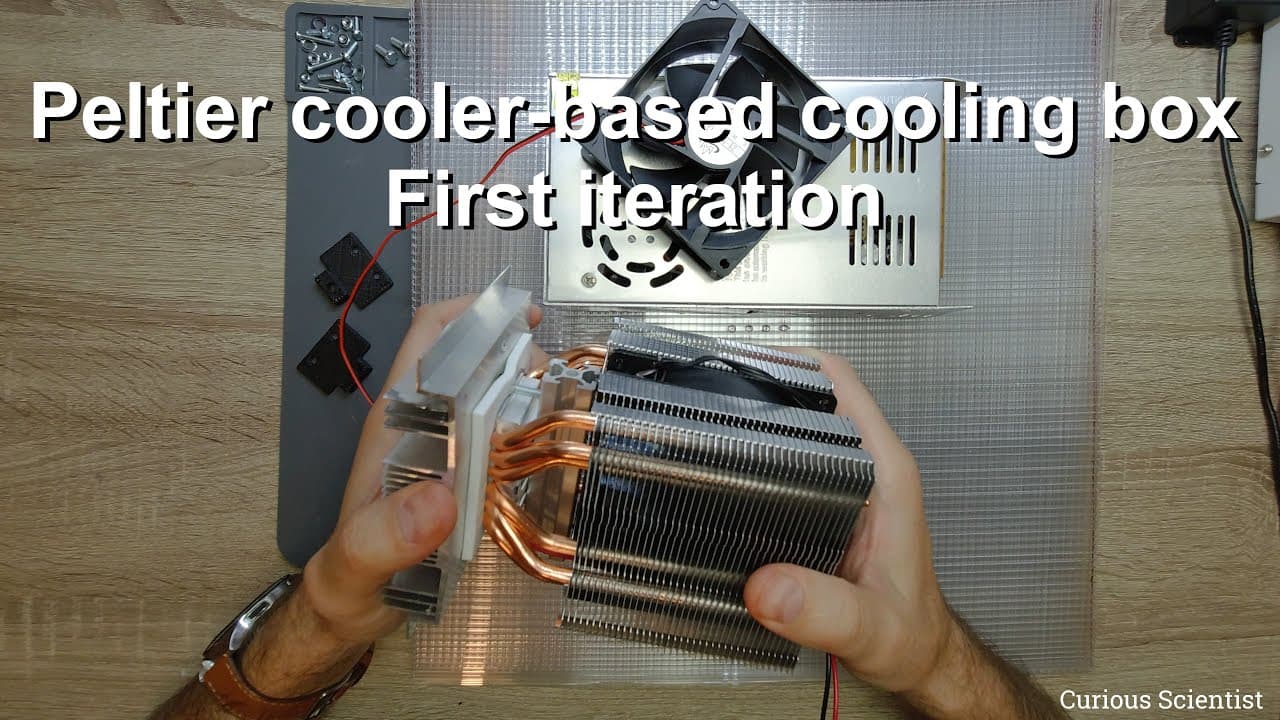
To build a Peltier cooler-based cooling box, combine a patio cooler with a CPU cooler, ensuring proper hot-side cooling to prevent overheating. Focus on insulation and sealing to maintain internal temperatures, and be prepared to modify fans and setups based on testing results. Iteration and testing are key to optimizing performance.
Transcript
welcome everyone in this video i will try to make some use of one of my patio cooler so if you've been watching my videos lately you could see this guy because i tried to test something with this setup so what is here is a cpu cooler on this side so you can see the heat pipes here six heat pipes in this cooler and there is a five centimeter fan it'... Read More
Key Insights
- 😒 The use of a CPU cooler alongside a patio cooler can improve cooling efficiency when set up correctly.
- 🥵 Proper insulation and sealing are crucial in preventing heat ingress and maintaining desired temperatures within the cooling box.
- 😎 Testing and iterating on the design is essential for optimizing performance and achieving targeted cooling abilities.
- ❓ The choice of materials impacts both structural integrity and thermal insulation qualities.
- 😎 Cooling setups can be designed innovatively to utilize existing components effectively rather than requiring specialized refrigeration equipment.
- ⚾ The creator emphasizes a scientific approach to DIY projects, encouraging meticulous planning and adjustment based on testing results.
- 🥺 Monitoring system performance with suitable sensors and recording data can lead to informed decisions on future modifications.
Install to Summarize YouTube Videos and Get Transcripts
Explore YouTube Video Summarizer or Get YouTube Transcript Extractor
Questions & Answers
Q: What materials are used to construct the cooling box?
The cooling box is constructed using corrugated plastic sheets, foam for insulation, a patio cooler, a CPU cooler, and various screws, washers, and nuts for assembly. The choice of corrugated plastic offers both structural stability and some thermal insulation properties. The foam is used primarily to ensure airtight seals, improving overall efficiency.
Q: Why is the patio cooler limited to 8 amps rather than higher amperages?
The patio cooler is limited to 8 amps because higher current levels, such as 10 or 15 amps, would lead to excessive joule heating. This heating can impair the cooling performance due to overloading the system. The creator aims to maintain cooler temperatures around 30 to 35 degrees while ensuring the setup operates efficiently without risking overheating.
Q: What was observed during the initial tests of the cooling box?
During the initial tests, the patio cooler's performance indicated that the hot side remained at approximately 34 degrees Celsius while the internal temperatures in the box reached around 12.8 to 15.8 degrees Celsius. Improvements were planned, including upgrading the fans used to cool the hot side to enhance performance and achieve more optimal cooling.
Q: What are the future plans for this cooling box project?
Future plans include examining sealing effectiveness to reduce air leaks, upgrading fans for better cooling efficiency, and possibly insulating the interior to decrease the volume of air that needs cooling. The creator intends to conduct further tests to assess improvements after making those upgrades and share the results in subsequent videos.
Summary & Key Takeaways
-
The video demonstrates how to construct a cooling box using a patio cooler, CPU cooler, and various materials, focusing on efficient cooling techniques.
-
The creator emphasizes the importance of properly cooling the hot side of the patio cooler to ensure effective performance without overheating or efficiency loss.
-
Testing results indicate that modifications may be needed after initial runs, such as improving fan performance and sealing for better insulation.
Read in Other Languages (beta)
Share This Summary 📚
Summarize YouTube Videos and Get Video Transcripts with 1-Click
Try YouTube Summary with ChatGPT & Claude or YouTube Transcript Generator
Explore More Summaries from Curious Scientist 📚

![Building a coil winder [Part 6] - A few improvements thumbnail](/_next/image?url=https%3A%2F%2Fi.ytimg.com%2Fvi%2F3eyxG_g2iUA%2Fhqdefault.jpg&w=750&q=75)




Summarize YouTube Videos and Get Video Transcripts with 1-Click
Try YouTube Summary with ChatGPT & Claude or YouTube Transcript Generator