How Did Westward Expansion Shape Early America?
TL;DR
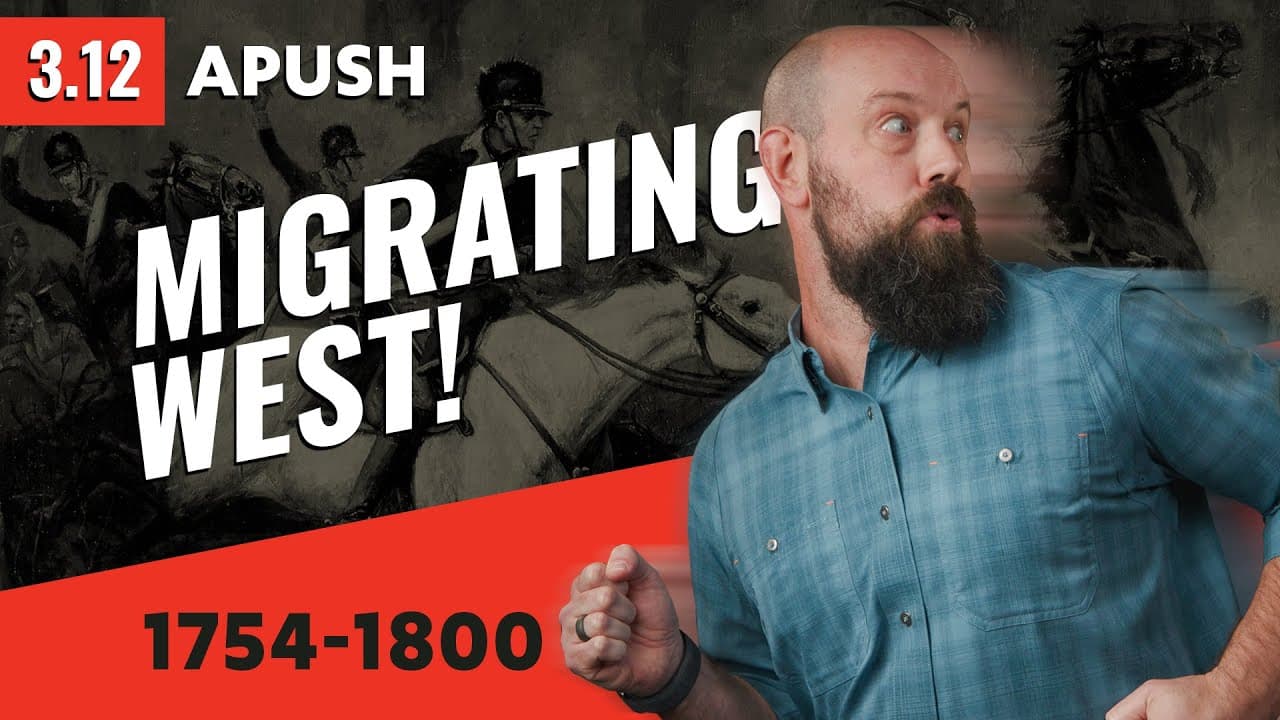
Westward movement intensified conflicts with American Indians, spurred federal regulation, and reshaped regional power. The 1790 Indian Trade and Intercourse Act aimed to regulate settlement, while defeats at Fallen Timbers led to the Treaty of Greenville and increased removal pressure. Britain and Spain influenced expansion, and slavery deepened regional divisions as cotton increases fueled migration.
Transcript
Now, if you were to take a bunch of early Americans and cut them open, you'd find that westward expansion was coded all the way down to their dang DNA. And after they got metric buttloads of land in the Treaty of Paris, they thought that all their westward migration dreams were coming true. But here's where I tell you that it wasn't all puppies and... Read More
Key Insights
- Westward migration followed the transfer of land from Britain after the Revolution, stimulating settlement and conflict
- The Indian Trade and Intercourse Act of 1790 gave the federal government regulatory control over western settlement
- Conflicts with American Indians heightened as settlers moved west, prompting alliances and violence
- The Battle of Fallen Timbers in 1794 ended with the Treaty of Greenville, opening Ohio lands to settlers
- Jay’s Treaty (1794) and the Pinkney Treaty (1795) reduced foreign obstacles and opened western routes for expansion
- Britain and Spain used alliances with Native tribes to resist American expansion, complicating settlement
- The cotton gin (1793) boosted cotton growth, increasing demand for enslaved labor in the South
- Slavery became a more polarized political issue as migration continued, setting the stage for future conflicts
- More videos from this channel:
- More from this channel: Heimler's History
Install to Summarize YouTube Videos and Get Transcripts
Explore YouTube Video Summarizer or Get YouTube Transcript Extractor
Questions & Answers
Q: How did the Indian Trade and Intercourse Act of 1790 influence western migration and Native American relations
The Indian Trade and Intercourse Act of 1790 established federal prerogative to regulate settlement in the western territories and to ensure fair treatment of American Indians in the process. This law aimed to curb unauthorized land seizures and coordinate relations with tribes during a period of increasing pressure from settlers moving west. While it set a framework for orderly expansion, settlers often ignored the law, exacerbating tensions and contributing to ongoing conflict between migrating Americans and Native groups.
Q: What was the significance of the Battle of Fallen Timbers for western expansion
The Battle of Fallen Timbers in 1794 was a decisive US victory that effectively ended a major Native alliance opposing migration into the Ohio Territory. The subsequent Treaty of Greenville forced indigenous groups to cede vast tracts of land and accept annual payments from the federal government, laying groundwork for extensive settlement and increasing vulnerability of tribes to further removal.
Q: How did Jay’s Treaty and the Pinkney Treaty affect westward expansion
Jay’s Treaty in 1794 helped clear the way for more migration by securing British withdrawal from the western borderlands, reducing the risk of armed conflict in those areas. The Pinkney Treaty, ratified two years later, opened the Mississippi River and New Orleans to American merchants, defining borders with Spanish territory and diminishing foreign opposition to settlement in the southern borderlands, thus facilitating further westward movement.
Q: Why did slavery become more entrenched in the South during westward expansion
Cotton production accelerated by the cotton gin, introduced in 1793, increased demand for enslaved labor to work expanding plantations in newly migrated western lands. As southern planters sought to maximize profits, support for slavery hardened, and even some prominent Southerners grew uneasy about the institution, which deepened regional conflict and foreshadowed future national disputes over slavery.
Q: What role did Great Britain and Spain play in shaping western migration
Britain and Spain influenced western migration by arming Native tribes and delaying postwar withdrawals. Britain’s actions in the Ohio Valley and Spain’s support for Creeks and Cherokees helped resist encroachment, complicating expansion for American settlers. Their interference prompted military responses and diplomacy, which, in turn, shaped the pace and geography of westward settlement.
Q: How did the post-Revolution political environment affect westward expansion
After the Articles of Confederation, the new Constitution empowered the federal government to address expansion challenges more effectively. This shift allowed enforcement of laws like the Indian Trade and Intercourse Act and coordinated military actions to subdue resistance, enabling more orderly settlement and reducing local governance chaos during rapid population growth.
Q: What long term impacts did western migration have on Native American lands
Western migration led to the ceding and removal of large Native lands through treaties such as Greenville, with tribes receiving payments that tied them to federal support and made them more vulnerable to later removal. This process fragmented tribal sovereignty, displaced communities, and set a pattern of settler-driven land acquisition that would recur in later periods of American expansion.
Q: How did Northern and Southern views on slavery interact with westward expansion
Northern abolitionist movements and Southern pro-slavery economies created a regional divide intensified by westward migration. As new lands opened, debates over whether slavery would expand into these territories amplified tensions. The shift from viewing slavery as a necessary evil to a positive good within parts of the South increased political rifts and foreshadowed future national conflict.
Summary & Key Takeaways
-
The video explains how western migration after the American Revolution led to renewed clashes with Native tribes and heightened federal involvement through early laws like the Indian Trade and Intercourse Act. It highlights external pressures from Britain and Spain and how military victories reshaped land control in the Ohio Valley, paving the way for settlement.
-
It covers the strategic role of treaties such as Greenville, Jay’s Treaty, and the Pinkney Treaty, which opened lands and ports to American merchants and reduced foreign interference, thereby facilitating westward movement. It also traces the growing slave economy in the south tied to new western lands, amplifying regional tensions.
-
A final section surveys the shift in thoughts on slavery among northern abolitionists and southern planters, aided by technological advances like the cotton gin, which raised cotton production and deepened the reliance on enslaved labor, foreshadowing future conflicts over the institution.
Read in Other Languages (beta)
Share This Summary 📚
Summarize YouTube Videos and Get Video Transcripts with 1-Click
Try YouTube Summary with ChatGPT & Claude or YouTube Transcript Generator
Explore More Summaries from Heimler's History 📚





Summarize YouTube Videos and Get Video Transcripts with 1-Click
Try YouTube Summary with ChatGPT & Claude or YouTube Transcript Generator