How to Find Purpose Without Chasing Happiness
TL;DR
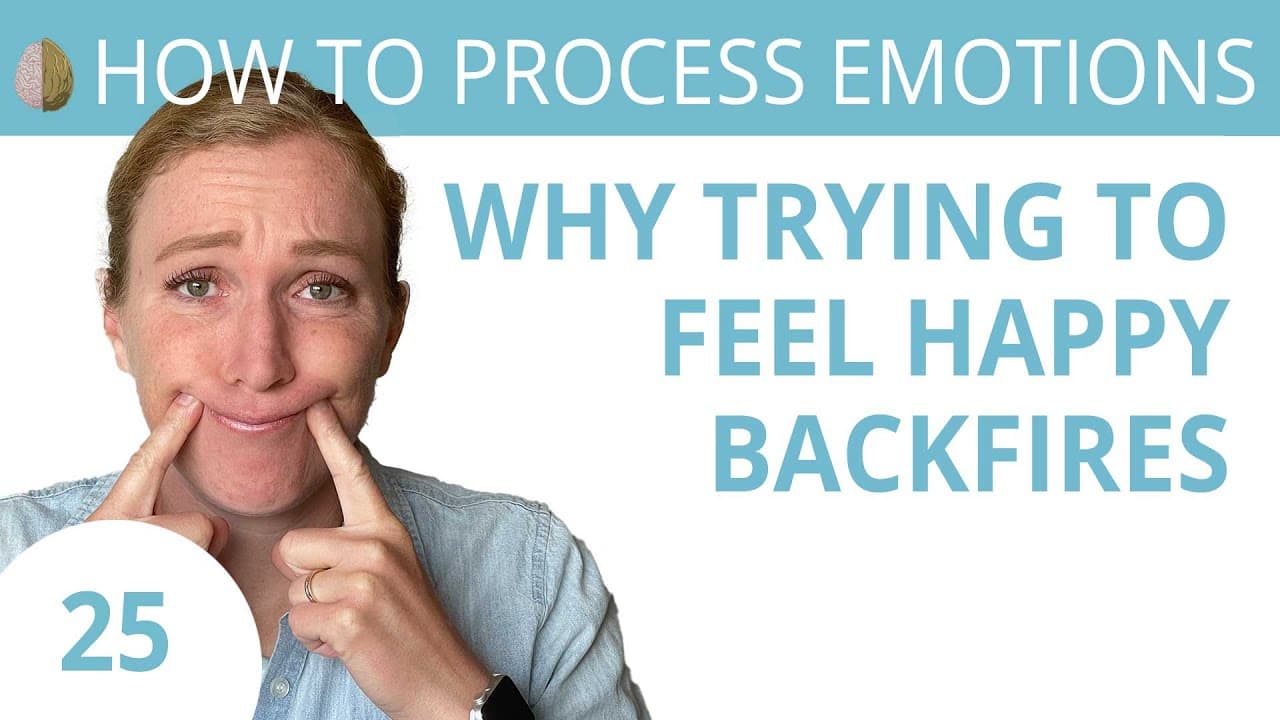
Focus on living by your purpose, values, and chosen direction instead of trying to feel happy all the time. Happiness may emerge from a good life, but pressuring yourself to maintain positive emotions can increase misery, rumination, avoidance, and the pursuit of short-lived pleasure.
Transcript
When I worked with teenagers in wilderness therapy, I would often ask them the question "What do you want from life?" The vast majority of them would say something along the lines of "I just want to be happy." Many of them had put loads of work into that desire. They sought happiness in friendships and in drugs. They looked for pleasure in dang... Read More
Key Insights
- The pursuit of constant happiness can make people feel worse because it turns a temporary emotion into a permanent standard. When ordinary discomfort appears, people may interpret it as personal failure and intensify their efforts to escape or replace it.
- Happiness can be an outcome of a good life without serving as its central goal. A fulfilling life is built by choosing a meaningful direction and acting according to personal values, even when those actions do not produce immediate pleasure.
- Social pressure to remain positive can create shame around normal emotions. Sadness, fear, annoyance, confusion, hopelessness, melancholy, tenderness, interest, and joy can all be parts of life without proving that a person is fundamentally unhappy.
- Seeking positive emotion and avoiding negative emotion can become a trap. These strategies may encourage rumination, repeated pursuit of the next pleasurable high, and avoidance of painful experiences instead of sustained engagement with relationships, responsibilities, and meaningful work.
- Acceptance and Commitment Therapy offers purpose and direction as alternatives to organizing life around happiness. The approach described involves allowing every feeling to be present while directing energy toward values, meaningful creation, service, relationships, and constructive action.
- Joy is a lasting appreciation of life's beauty rather than continuous comfort or fun. It can exist during a painful hike, in freezing wind, or within relationships that include hurt because meaning and appreciation can coexist with physical or emotional difficulty.
- Love is created by reaching out to other people despite the possibility of pain. Avoiding the vulnerability of love does not prevent suffering, while accepting that risk makes fulfilling relationships and meaningful connection possible.
- Wilderness therapy showed that fulfillment can grow under difficult conditions. Without familiar pleasures and distractions, teenagers developed awe, creativity, laughter, group concern, broader perspective, future goals, honest conversations, and renewed expressions of affection toward their families.
Install to Summarize YouTube Videos and Get Transcripts
Explore YouTube Video Summarizer or Get YouTube Transcript Extractor
Questions & Answers
Q: Why can trying to feel happy make you miserable?
Trying to feel happy can create pressure to maintain an emotion that is naturally temporary. When sadness, fear, annoyance, or confusion inevitably appears, that pressure can produce shame and the belief that something is wrong. The resulting struggle may increase rumination, avoidance, and repeated attempts to obtain another short-lived pleasure, making life feel worse rather than better.
Q: How can purpose create a more fulfilling life than happiness?
Purpose gives life a direction that does not depend on feeling good in every moment. A person can build, create beauty, help others, nurture relationships, or do meaningful work while experiencing discomfort or pain. By investing energy in values and worthwhile action, people can develop fulfillment and joy without requiring every experience to be comfortable, pleasurable, or emotionally positive.
Q: What is the difference between happiness and joy?
Happiness is criticized as an imagined permanent state in which a person has completed every prerequisite and now feels good consistently. Joy is described more broadly as a lasting appreciation of life's beauty, meaningful relationships, goodness, and abundance. Joy can accompany a long painful hike, cold wind, hard work, or loving relationships that contain both connection and hurt.
Q: How should you respond to difficult emotions?
Allow difficult emotions to exist instead of making their removal the central project of life. Feelings such as fear, melancholy, confusion, hopelessness, and annoyance do not automatically mean that life is bad or that a person has failed. Energy can instead be directed toward values, relationships, meaningful work, service, creativity, and other chosen purposes while discomfort remains present.
Q: Why is avoiding negative emotion considered a trap?
Avoiding negative emotion can narrow life around escape and short-term relief. The transcript connects this pattern with rumination, avoidance, and searching for the next transient high. It can also discourage challenging work, vulnerable relationships, and meaningful experiences that naturally include pain. Accepting discomfort makes it possible to continue moving toward purpose without waiting to feel better first.
Q: Can meaningful activities still involve suffering?
Meaningful activities can be physically or emotionally difficult without becoming worthless. Running long distances, reading demanding books, working intensely, hiking in pain, and facing cold weather are presented as experiences that may be compelling or beautiful without being comfortable. Meaning comes from interest, challenge, creation, connection, or purpose, not solely from smiling or feeling pleasure during the activity.
Q: What did teenagers learn from wilderness therapy?
Teenagers in wilderness therapy lived with demanding conditions, including long hikes, sleeping under tarps, and simple food cooked over a fire. Without drugs, sweet foods, phones, or video games, many began noticing sunrises, inventing meals, laughing during games, caring about their group, discussing trauma and philosophy, thinking about their futures, and expressing concern for family members and others.
Q: How can someone stop making happiness their main goal?
Choose a direction based on what is meaningful rather than repeatedly checking whether you feel happy. Ask what beauty you are creating, what good you are doing, what you are building, and which relationships deserve attention. Then take values-based action while permitting joy, sadness, fear, interest, tenderness, and frustration to come and go without using any single emotion as the measure of a good life.
Summary & Key Takeaways
-
Chasing happiness can backfire because emotions are temporary and cannot be permanently controlled. Social pressure to remain positive may also create shame when ordinary sadness, fear, annoyance, or melancholy appears. A healthier approach allows the full range of feelings without treating discomfort as evidence that life is going badly.
-
Purpose, values, and meaningful direction provide a stronger foundation for a fulfilling life than constant pleasure. Activities can be difficult, painful, or uncomfortable while still creating interest, connection, beauty, love, and lasting appreciation. Joy is presented as broader than comfort, fun, or a continuously pleasant emotional state.
-
Teenagers in wilderness therapy initially lost access to drugs, sweet foods, phones, video games, and other familiar comforts. Over time, many found awe in nature, enjoyed simple creative activities, cared about their group, discussed trauma and philosophy, considered their futures, and began speaking about family and helping other people.
Read in Other Languages (beta)
Share This Summary 📚
Summarize YouTube Videos and Get Video Transcripts with 1-Click
Try YouTube Summary with ChatGPT & Claude or YouTube Transcript Generator
Explore More Summaries from Therapy in a Nutshell 📚






Summarize YouTube Videos and Get Video Transcripts with 1-Click
Try YouTube Summary with ChatGPT & Claude or YouTube Transcript Generator