What causes insomnia? - Dan Kwartler
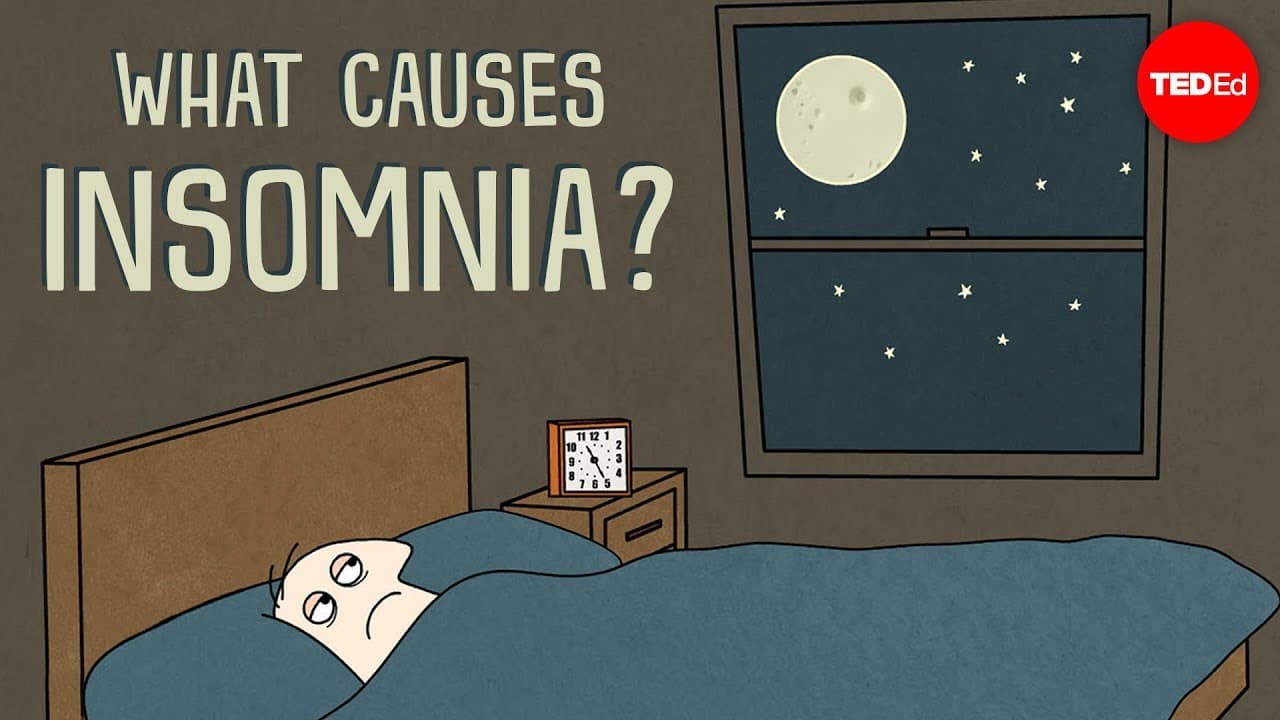
TL;DR
Insomnia is primarily caused by stress and can lead to chronic sleep deprivation and associated health issues. Effective strategies to combat insomnia include managing stress, establishing healthy sleep habits, and ensuring an accurate diagnosis to differentiate it from other sleep disorders. Consistency in sleep routines and a conducive sleep environment can significantly improve sleep quality.
Transcript
What keeps you up at night? Pondering deep questions? Excitement about a big trip? Or is it stress about unfinished work, an upcoming test, or a dreaded family gathering? For many people, this stress is temporary, as its cause is quickly resolved. But what if the very thing keeping you awake was stress about losing sleep? This seemingly unsolvable... Read More
Key Insights
- 😪 Insomnia is predominantly caused by stress and can lead to chronic sleep deprivation with potential health risks.
- 😪 Individuals with insomnia experience hyperarousal, triggering stress hormones that disrupt sleep quality and metabolism.
- 🤩 Establishing healthy sleep practices, managing stress, and seeking proper diagnosis are key in combating insomnia effectively.
- 😪 Differentiating between insomnia and other sleep disorders like DSPD is crucial for tailored treatment approaches.
Install to Summarize YouTube Videos and Get Transcripts
Explore YouTube Video Summarizer or Get YouTube Transcript Extractor
Questions & Answers
Q: What are some common causes of insomnia?
Insomnia can be triggered by stress, physical discomfort, jetlag, and underlying medical conditions like respiratory or gastrointestinal issues, leading to prolonged sleep deprivation.
Q: How does insomnia affect the body?
Insomnia induces hyperarousal, causing a surge in stress hormones like cortisol and adrenaline, disrupting the body's ability to rest, and impacting cognitive functions, metabolism, and overall health.
Q: What are effective strategies for managing insomnia?
Managing stress, creating a comfortable sleep environment, practicing good sleep hygiene, regulating sleep-wake cycles, and avoiding excessive use of sleeping medications are vital in treating insomnia.
Q: How can one differentiate insomnia from other sleep disorders like DSPD?
Proper diagnosis is crucial to differentiate between insomnia and less common disorders like Delayed Sleep Phase Disorder (DSPD), where individuals have a longer circadian rhythm affecting their sleep-wake cycle.
Summary
Insomnia, the world's most common sleep disorder, can create a vicious cycle of stress about losing sleep. Chronic insomnia, which lasts for several months, can have similar chemical mechanisms to anxiety attacks found in depression and anxiety. However, there are ways to break the cycle, such as managing stress, adopting good sleep practices, and regulating the body's biological clock. Medication can also be prescribed, although it may not be effective in all cases. It is important to accurately diagnose insomnia, as some individuals may actually be suffering from a genetic disorder called delayed sleep phase disorder (DSPD), which causes a longer circadian rhythm. Overall, maintaining a stable bedtime routine is crucial for our physical and mental wellbeing.
Questions & Answers
Q: What is the cause of insomnia?
Insomnia can be caused by various factors such as stress, physical pain, emotional distress, and jetlag. Additionally, certain long-term conditions like respiratory disorders and gastrointestinal problems can overpower fatigue and disrupt sleep.
Q: How does chronic insomnia affect the body?
Chronic insomnia can lead to a dysregulated stress response system. The brain becomes hyperaroused, flooding the body with stress hormones like cortisol. This state can make it difficult for the brain to ignore any slight discomfort or noise during nighttime. Moreover, the quality of sleep is compromised, leaving insomniacs waking up feeling exhausted, confused, and stressed.
Q: What are the similarities between insomnia and anxiety or depression?
The chemical mechanisms involved in insomnia are similar to anxiety attacks experienced by those with anxiety or depression. Suffering from any one of these conditions increases the risk of experiencing the others.
Q: Are there effective treatments for insomnia?
Managing stress and adopting good sleep practices are some of the best-understood treatments for insomnia. Creating a dark and cool bedroom environment, using the bed only for sleep, and engaging in relaxing activities can help rebuild a healthy sleep routine. Setting consistent resting and waking times can regulate the body's biological clock. Avoiding bright lights at night also aids in signaling the body that it's time for sleep. Medication can be prescribed, but there is no reliable medication that works for all cases. Over-the-counter sleeping pills can be addictive and worsen symptoms.
Q: How can one differentiate between chronic insomnia and delayed sleep phase disorder (DSPD)?
It is important to accurately diagnose insomnia since some individuals may actually have delayed sleep phase disorder. While insomnia is caused by stress and disrupts sleep, DSPD is a genetic disorder characterized by a circadian rhythm longer than 24 hours. This means that individuals with DSPD have difficulty falling asleep at typical bedtimes but can sleep comfortably on their own delayed schedule.
Takeaways
Insomnia is a common sleep disorder that can lead to chronic sleeplessness and chemical imbalances similar to anxiety and depression. However, it is possible to break the cycle of insomnia through stress management, good sleep practices, and regulating the body's biological clock. While medication can be prescribed, it may not be effective for everyone. It is important to accurately diagnose insomnia and differentiate it from other conditions such as delayed sleep phase disorder. Maintaining a stable bedtime routine is crucial for overall physical and mental wellbeing.
Summary & Key Takeaways
-
Insomnia, the most prevalent sleep disorder, stems from various causes such as stress, medical conditions, and poor sleep habits.
-
Long-term insomnia can have serious health implications, contributing to conditions like depression and anxiety.
-
Managing stress, maintaining healthy sleep practices, and seeking proper diagnosis are crucial steps in combating insomnia.
Read in Other Languages (beta)
Share This Summary 📚
Summarize YouTube Videos and Get Video Transcripts with 1-Click
Try YouTube Summary with ChatGPT & Claude or YouTube Transcript Generator
Explore More Summaries from TED-Ed 📚






Summarize YouTube Videos and Get Video Transcripts with 1-Click
Try YouTube Summary with ChatGPT & Claude or YouTube Transcript Generator