X-ray timelapse of fluid movement in plants, stop-motion animation, sensor teardown/repair
TL;DR
Learn how an industrial x-ray sensor was repaired and utilized to create unique time-lapse and stop-motion animations.
Transcript
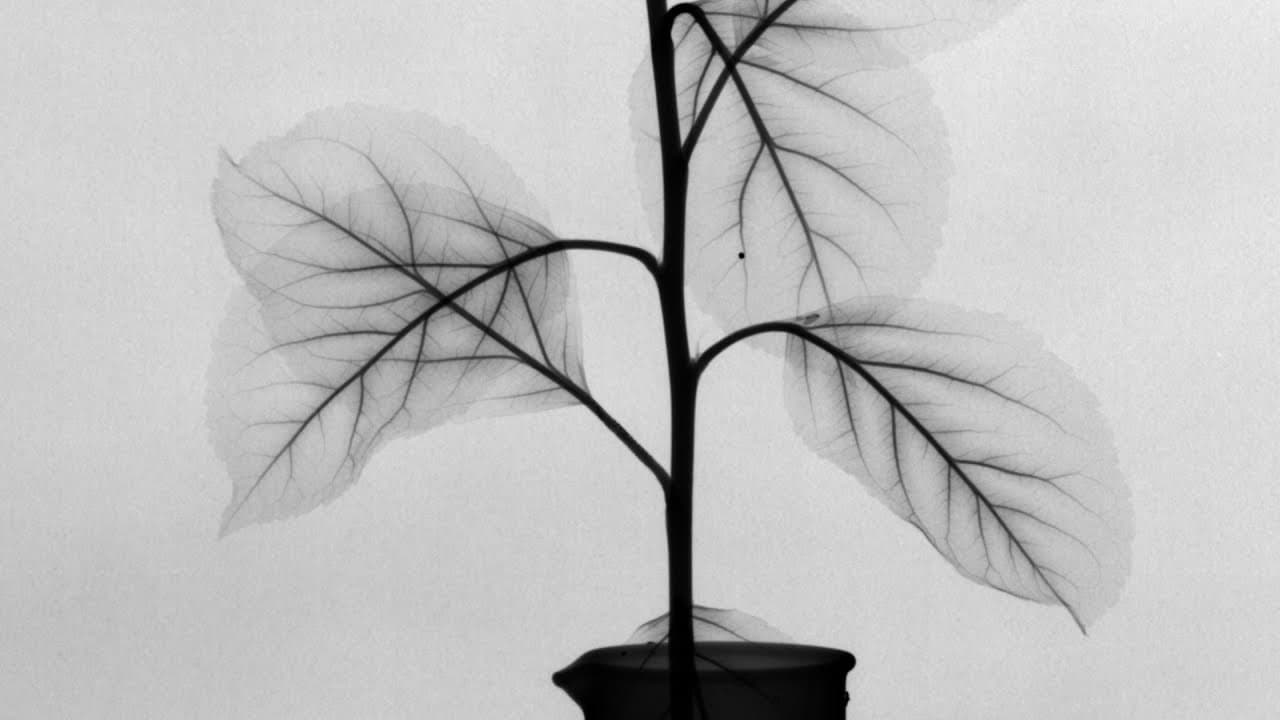
today on applied science i'm going to show you how i repaired this giant industrial x-ray sensor and then used it to make time-lapse and stop-motion animations i always strive to show something unique in each of my videos and in this case i guarantee you haven't seen anything quite like this this is a cut stem from an apple tree that is you can see... Read More
Key Insights
- 📤 X-ray sensors can be repaired and repurposed for creative applications.
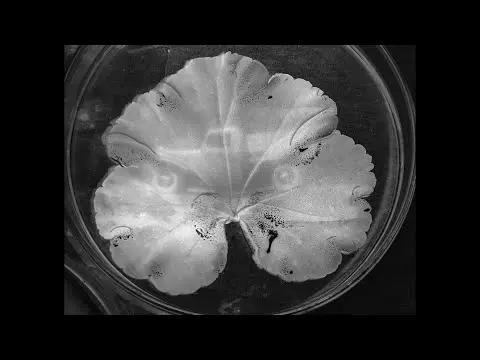
- 📤 Potassium iodide can be used to visualize water movement in plant stems using x-ray technology.
- 💬 Different plants may exhibit variations in fluid movement due to factors like stem structure and root ball presence.
- ⏲️ Time-lapse and stop-motion animations can be created using the x-ray sensor, quartz clock, and stepper motor.
- 📤 Safety measures, such as enclosing the x-ray setup, are crucial to minimize backscatter radiation exposure.
- 📤 The x-ray detector features high-quality components, hermetic sealing, and carbon fiber construction for optimal performance.
- 🏃 Powering the x-ray panel for prolonged periods requires careful considerations and solutions like using front-run batteries.
- 📤 Troubleshooting and repairing the x-ray sensor may involve identifying and replacing faulty components, such as damaged chips.
Install to Summarize YouTube Videos and Get Transcripts
Explore YouTube Video Summarizer or Get YouTube Transcript Extractor
Questions & Answers
Q: How does the x-ray sensor show water movement in plant stems?
The x-ray sensor uses potassium iodide, which absorbs x-rays more than water, to capture the movement of water in the plant stems. The fluid movement can be observed throughout the stem, with more fluid towards the edges.
Q: Were there differences in fluid movement between cut stems and potted plants?
Yes, there were differences in fluid movement. The cut stems showed more significant fluid movement compared to potted plants. The root ball of the plants in the potted form affected the liquid absorption process.
Q: How was the time-lapse animation created using the x-ray sensor?
A quartz clock was used along with the x-ray sensor to create a time-lapse animation. The clock's second hand was fixed, and the x-ray sensor captured sequential images, resulting in a time-lapse effect when played back.
Q: What was used to create the stop-motion animation?
A stepper motor was used in conjunction with the x-ray sensor to create the stop-motion animation. The stepper motor slightly adjusted the zoom position of a camera lens between each shot, resulting in a sequence of frames.
Summary & Key Takeaways
-
The video showcases the repair of a large industrial x-ray sensor and its use in capturing water movement in plant stems and creating time-lapse and stop-motion animations.
-
Different plants, including apple and lime trees, were tested to observe fluid movement, with variations observed in the cut stem and potted plant.
-
A quartz clock was used to create a time-lapse animation, and a stepper motor was employed to create a stop-motion animation of a camera zoom lens.
Read in Other Languages (beta)
Share This Summary 📚
Summarize YouTube Videos and Get Video Transcripts with 1-Click
Try YouTube Summary with ChatGPT & Claude or YouTube Transcript Generator
Explore More Summaries from Applied Science 📚
Summarize YouTube Videos and Get Video Transcripts with 1-Click
Try YouTube Summary with ChatGPT & Claude or YouTube Transcript Generator