How to Master Your Mind with Simple Mental Training
TL;DR
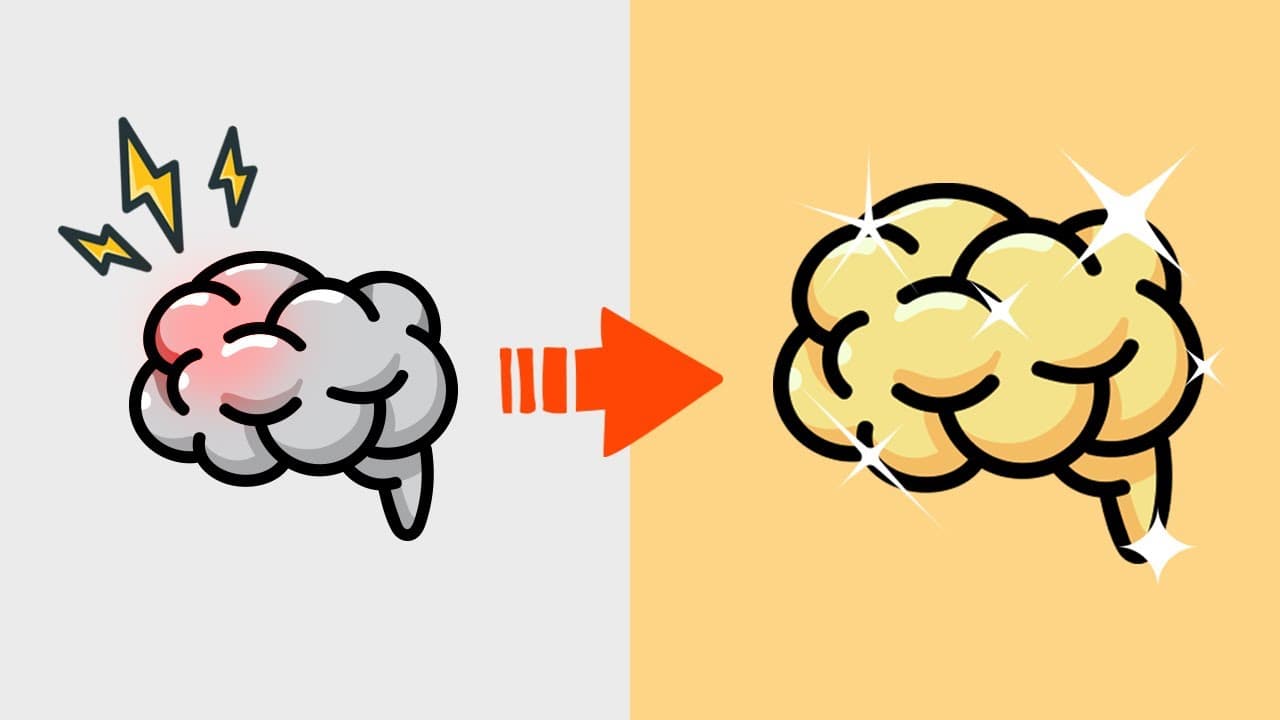
Mastering your mind starts with training attention, not fighting thoughts. Practicing daily mindfulness strengthens focus, reduces negative thinking, and rewires neural pathways to promote calm, conscious awareness. You can begin tonight, on the couch, with a few minutes of mindful attention and see real changes in stress and clarity.
Transcript
Imagine you have two dogs sitting next to you, one on each side. The two dogs are looking at a delicious bone you are holding in your hand, while drooling. Suddenly, you throw the bone far away and one of the dogs instantly runs after it. But the other dog, standing by your side, doesn't move. He's just as eager to have that bone as the other dog t... Read More
Key Insights
- Attention is the key control knob for the mind, directing energy and consciousness.
- Mindfulness is the most powerful mental training because it trains attention with tangible, real-time brain changes.
- Uncontrolled thinking is not a natural state; training can restore structured, purposeful thought processes.
- Negative thoughts trigger widespread physiological responses that prepare the body for stress and can become chronic if not managed.
- Regular mindfulness practice dissolves negative neural pathways and strengthens healthy connections.
- Conscious attention acts as a gate that influences what information reaches the nervous system and cognition.
- The brain adapts to what we frequently do, so consistent attention training reshapes neural networks over time.
- You can start mindfulness at home in just a few minutes a day and still gain meaningful benefits.
Install to Summarize YouTube Videos and Get Transcripts
Explore YouTube Video Summarizer or Get YouTube Transcript Extractor
Questions & Answers
Q: What is the simplest way to start training your attention at home
Start with a short daily mindfulness practice, focusing on directing attention to the present moment. This cultivates conscious awareness, reduces the pull of automatic thoughts, and gradually strengthens neural pathways that support calm and focused cognition. Consistency is more important than duration initially.
Q: How does mindfulness affect the brain according to the video
Mindfulness changes brain activity by promoting neural connections and neurogenesis, while reducing the strength of negativity networks. It shifts the brain from a state of constant stress toward a relaxed, alert mode, improving cognitive control and emotional regulation over time.
Q: Why is uncontrolled thinking considered harmful
Uncontrolled thinking exhausts the mind and triggers a cascade of stress responses, including raised heart rate and hormone release. Over time, persistent negative thinking can create neural loops that keep attention trapped, increasing anxiety and potentially leading to depression if not managed.
Q: What role does attention play in consciousness
Attention is described as the mechanism that allows consciousness to emerge. When attention focuses on something, awareness arises, and the brain reorganizes its networks. Without focused attention, consciousness does not form in a way that supports deliberate thought and action.
Q: Can mindfulness be learned quickly
The video suggests mindfulness can be practiced daily on a couch at home in just a few minutes a day. While significant benefits require repeated practice, beginners can begin experiencing reduced reactivity and improved focus relatively quickly as neural pathways begin to adapt.
Q: What happens to the brain when you pay attention to negative thoughts
When attention lingers on negative thoughts, the brain activates stress responses and protective mechanisms, triggering physiological changes that can become chronic. Redirection of attention interrupts this cycle and reduces the commitment of neural resources to negativity.
Q: How is attention linked to stress and health
Attention directs mental energy and bodily energy, so where it is focused, the body responds. Prolonged focus on threats elevates stress hormones and constrains higher cognitive functions, while mindful redirection promotes relaxation and healthier physiological states.
Q: What is the recommended daily habit for improving attention
The recommended habit is daily mindfulness practice, which trains attention and builds conscious control. This habit supports cognitive resilience, reduces reflexive reactivity, and provides a foundation for achieving personal goals by maintaining a calmer, more focused mental state.
Summary & Key Takeaways
-
Mindful attention training is presented as a practical method to control thoughts and reduce mental chaos, with neuroscience backing the role of attention in shaping consciousness. The video emphasizes daily practice and the simplicity of starting at home.
-
The core mechanism is attention training through mindfulness, which reshapes brain networks and lowers reactiveness to negative thoughts, thereby improving emotional and physical health over time.
-
The speaker argues that uncontrolled negative thinking triggers stress responses and can lead to chronic anxiety or depression, whereas mindful focus alters physiology and promotes a resilient, conscious mind.
Read in Other Languages (beta)
Share This Summary 📚
Summarize YouTube Videos and Get Video Transcripts with 1-Click
Try YouTube Summary with ChatGPT & Claude or YouTube Transcript Generator
Explore More Summaries from Jorge Benito 📚




Summarize YouTube Videos and Get Video Transcripts with 1-Click
Try YouTube Summary with ChatGPT & Claude or YouTube Transcript Generator