What Are Joseph Campbell’s 3 Stages of the Hero’s Journey?
TL;DR
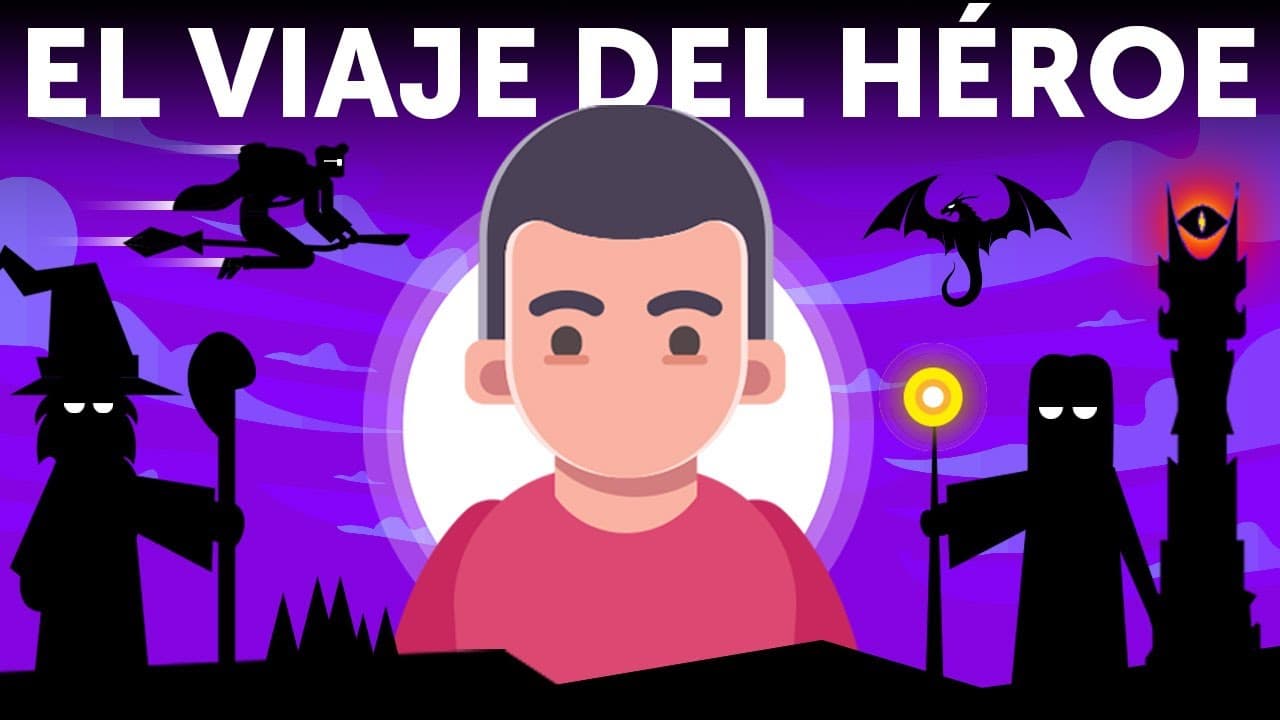
Joseph Campbell’s three stages of the Hero’s Journey are departure or separation, initiation, and return. The hero leaves ordinary life, faces trials in the unknown, and returns transformed to share power, knowledge, and skills with others. Campbell’s monomyth frames this cycle as an inward journey through the unconscious toward psychological and spiritual transformation; read on to understand its calls, symbols, obstacles, and final purpose.
Transcript
Ulysses, Frodo Baggins, Luke Skywalker, Harry Potter, And there, in the midst of these great heroes, is you. We are all traveling the same inner heroic journey. In which we must go through the same stages, face the same obstacles and lead us to the same psychological and spiritual transformation. It is what Joseph Campbell called The Hero's Journey... Read More
Key Insights
- The hero’s journey is a recurring inner cycle composed of departure, initiation, and return. Campbell presents these phases as a shared psychological and spiritual pattern in which people leave ordinary life, encounter hidden forces, undergo transformation, and bring their discoveries back to others.
- Mythology is a symbolic expression of the human psyche and its spiritual potential. Its recurring images are described as spontaneous productions rather than manufactured inventions, connecting conscious awareness with the unconscious forces that animate human life across different cultures and historical periods.
- The call to adventure is an event that reveals familiar concepts, ideals, or emotional patterns are no longer sufficient. The person must choose between retreating into ordinary life and crossing the threshold into an unknown world where genuine self-discovery becomes possible.
- Refusing the call is an unsuccessful attempt to preserve a familiar reality that is both valued and resented. According to the account, disruptive events continue with increasing force until the need for change can no longer be denied and the journey must begin.
- The supernatural helper symbolizes assistance that becomes available after the hero accepts the call. Often represented as a hermit, wizard, or wise old figure, this guide provides protection and reflects unconscious resources released when someone courageously enters unfamiliar psychological territory.
- The threshold guardian represents the first major confrontation between familiar identity and the unknown. Crossing the threshold requires reconciling forces within the psyche, while being swallowed by the unknown symbolizes an inward death, the shedding of an old identity, and eventual rebirth.
- Initiation is a succession of trials that asks whether the hero can permit the ego to die. Dragons and impossible barriers symbolize rejected psychic material, fears, and unconscious depths that must be faced, understood, and integrated before liberation and transformation can occur.
- The return is the final test because the transformed hero must share life-renewing wisdom with a resistant society. The acquired elixir has value beyond personal achievement, since its purpose is to restore others, renew humanity, and reconcile individual consciousness with universal will.
Install to Summarize YouTube Videos and Get Transcripts
Explore YouTube Video Summarizer or Get YouTube Transcript Extractor
Questions & Answers
Q: What are Joseph Campbell’s three stages of the Hero’s Journey?
The three stages are departure or separation, initiation, and return. The hero leaves daily life, faces trials and obstacles created by unknown forces, and returns transformed. In the final phase, the hero shares acquired power, knowledge, and skills with others.
Q: What is the Hero’s Journey or monomyth?
Joseph Campbell describes the Hero’s Journey, or monomyth, as an inner heroic cycle shared by human beings. In The Hero With a Thousand Faces, he divides it into three main phases that lead toward psychological and spiritual transformation.
Q: What does the call to adventure mean?
The call to adventure occurs when an unexpected event announces that it is time to move beyond known horizons. The hero must choose between retreating into the familiar and stepping into the unknown. It appears when old concepts, ideals, and emotional patterns no longer fit.
Q: Why does refusing the call to adventure fail?
Pretending to return to ordinary occupations does not remove the need for change. Events continue with increasing force until the call can no longer be denied. The hero is ultimately forced to leave behind the ordinary reality that is both adored and detested.
Q: What does the supernatural helper represent?
The supernatural helper represents the assistance life gives to someone who has answered the call. Often depicted as a hermit, wizard, or wise old man, this figure provides protection against dangers the hero will face. By continuing bravely, the hero finds the forces of the unconscious offering support.
Q: What does crossing the threshold symbolize?
Crossing the threshold means leaving the ordinary world and entering the unknown territory of self-discovery. It begins an inward adventure into the unconscious, where resisted psychic forces, terrors, and treasures are hidden. Facing and integrating those forces can reveal greater human potential.
Q: What happens during the initiation stage?
During initiation, the hero confronts trials and obstacles presented by unknown forces. This takes the hero into the darkest regions of the self, where hidden fears and resisted psychic forces must be faced. Overcoming those resistances revives powers that had been forgotten or lost.
Q: Why must the hero return after being transformed?
The hero’s task is not complete with personal transformation. The hero must return transfigured, share power, knowledge, and skills with others, and teach the lesson of renewed life. This return makes the inward discovery valuable beyond the individual journey.
Summary & Key Takeaways
-
Joseph Campbell’s monomyth begins with departure or separation. A disruptive event calls the hero beyond familiar horizons, while refusing the call only causes events to return with greater force. Protective assistance then appears, helping the hero confront the threshold guardian, release an old identity, and enter the unknown territory of the unconscious.
-
Initiation takes place in the darkest and deepest regions of the hero’s being. Successive trials expose fears, rejected qualities, childish patterns, and other psychic forces buried in the unconscious. Transformation requires the symbolic death of the ego, integration of those hidden forces, and liberation from fear through courageous self-knowledge.
-
The return begins after the hero gains the elixir, a power or wisdom produced by self-knowledge and transformation. The hero must bring this gift back to humanity, even though society may resist truths that threaten its comfortable patterns. The final task is sharing renewed life and helping restore the wider community.
Read in Other Languages (beta)
Share This Summary 📚
Summarize YouTube Videos and Get Video Transcripts with 1-Click
Try YouTube Summary with ChatGPT & Claude or YouTube Transcript Generator
Explore More Summaries from Jorge Benito 📚


Summarize YouTube Videos and Get Video Transcripts with 1-Click
Try YouTube Summary with ChatGPT & Claude or YouTube Transcript Generator