How to Build Good Habits and Break Bad Ones With Neuroscience
TL;DR
Build good habits by scheduling the hardest ones within the first 8 hours after waking, placing easier or established habits in the next 8 hours, and protecting deep sleep so neuroplasticity can consolidate them. Huberman’s second system rotates 6 habits over 21 days, with an expectation of completing 4 or 5 daily. To weaken a bad habit, immediately follow it with a short positive behavior; read on for the complete three-system method.
Transcript
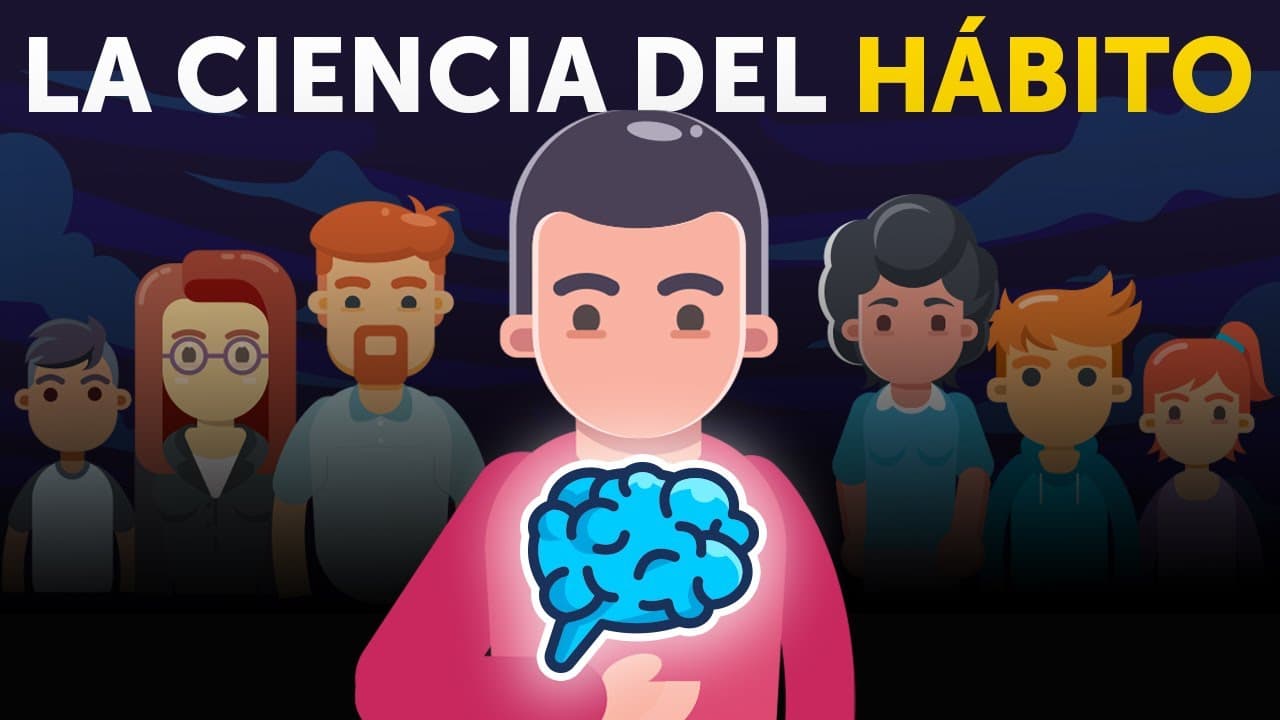
Do you find it hard to create good habits and break bad ones? Then stay because in this video you will learn two simple systems for habit formation. The first is based on the neuroscience of brain states, and our ability to perform certain tasks in different phases of the day. And the second system focuses on the formation and consolidation of habi... Read More
Key Insights
- Around 70% of daily behavior is habitual, made of reflex actions we repeat without thinking. Habits form when the nervous system learns through repetition, modifying connections between neurons so they communicate more easily and create routes that work automatically.
- Limbic friction, a term coined by Huberman, is the tension you overcome when in a state of anxiety (too agitated to act) or tiredness/laziness (too calm). Both extremes demand large amounts of energy to push through and start a behavior.
- Automaticity is the goal of habit formation: neural circuits work automatically so limbic friction is minimal and starting the behavior feels easy. It does not remove the effort of the task itself, only the resistance to beginning it.
- The first phase, the first 8 hours after waking, is action-oriented and focused, with dopamine, norepinephrine and cortisol naturally released. Hardest habits that generate the most limbic friction should be placed here because they cost much less.
- Phase two runs the next 8 hours, when dopamine, norepinephrine and cortisol decrease and serotonin rises due to circadian changes. It suits executing already-established habits and incorporating new habits that are easier to perform.
- Phase three is sleep, where neuroplasticity actually occurs and neural circuits rewire during deep sleep states. Without deep, restful sleep you cannot consolidate the habits worked on in phases one and two, so avoid caffeine, screen light and stress.
- The 21-day system asks you to choose 6 new habits done daily for 21 consecutive days, expecting to complete only 4 to 5 each day. Rotating habits and having no compensation for missed days keeps the dopamine circuit vigorous.
- Heather Fritz's meta-analysis showed bad habits break effectively by performing a short, easy replacement behavior immediately after the bad habit, while its neurons are still active. The brain links the two, recruiting new circuits until the bad habit disappears.
Install to Summarize YouTube Videos and Get Transcripts
Explore YouTube Video Summarizer or Get YouTube Transcript Extractor
Questions & Answers
Q: How can I build good habits and break bad ones using neuroscience?
Place difficult new habits in the first 8 hours after waking, easier or established habits in the next 8 hours, and protect deep sleep so the brain can consolidate them. You can also rotate 6 habits over 21 days, completing 4 or 5 each day. To break a bad habit, immediately follow it with a short, easy positive behavior that changes the behavioral sequence.
Q: What is limbic friction, and why does it matter for habits?
Limbic friction is Huberman’s term for the tension involved in overcoming anxiety or the opposite state of tiredness or laziness. It is especially strong during the early stages of a habit, when starting the behavior requires substantial energy. Habit formation becomes easier as repetition reduces this resistance.
Q: How should I schedule habits across the three phases of the day?
Divide the day into three 8-hour phases beginning when you wake. Use the first phase for habits that create the most limbic friction and the second for easier or established habits. The third phase is sleep, when neural circuits are rewired and the day’s habit practice is consolidated.
Q: Why should difficult habits be done within the first 8 hours after waking?
During the first 8 hours after waking, the system is action-oriented and focused, making limbic friction easier to overcome. Dopamine, norepinephrine, and cortisol are naturally present during this phase. Therefore, habits that are hardest to start should be scheduled here.
Q: Why is sleep important for forming habits?
Deep sleep is the phase in which neuroplasticity rewires neural circuits and consolidates the habits practiced earlier. Without deep, restful sleep, work performed during the first two phases may not become established. The guidance therefore recommends avoiding caffeine, bright screen light, and stress-increasing activities that interfere with sleep.
Q: How does Huberman’s 21-day habit system work?
Choose 6 new habits and work on them for 21 consecutive days, while expecting to complete only 4 or 5 each day. Missed habits carry no punishment and should not be compensated for later; simply continue the following day. Rotating the habits keeps the system flexible and the dopamine circuit vigorous.
Q: What does automaticity mean in habit formation?
Automaticity means the neural circuits supporting a behavior operate with minimal limbic friction, so beginning the action no longer feels difficult. It does not make the activity itself effortless: strength training still requires work even when going to the gym has become automatic. The reduction applies primarily to resistance at the starting point.
Q: What is the recommended way to break a bad habit?
Immediately after performing the bad habit, do a short and easy positive behavior, such as 5 minutes of meditation or using a language app. The neurons involved in the bad habit are still active, allowing the brain to link the old behavior with newly recruited circuits. Repeating this replacement sequence can weaken the original habit until it fades.
Summary & Key Takeaways
-
Habits organize behavior into reflex actions, and about 70% of daily behavior is habitual. Forming habits means the nervous system learns through repetition, strengthening neural connections. People differ in how easily they form habits because of limbic friction, the tension arising from being too anxious or too tired to act.
-
Huberman's first system divides the day into three 8-hour phases. The first phase after waking is focused and action-oriented, ideal for the hardest habits. Phase two, driven by rising serotonin, suits easier or established habits. Phase three is deep sleep, where neuroplasticity consolidates everything worked on earlier.
-
The 21-day system uses 6 rotating habits done over 21 days with no penalty for missed days, split across phases one and two. To break bad habits, immediately follow the bad behavior with a short positive one, rewiring the neural sequence until the bad habit fades away on its own.
Read in Other Languages (beta)
Share This Summary 📚
Summarize YouTube Videos and Get Video Transcripts with 1-Click
Try YouTube Summary with ChatGPT & Claude or YouTube Transcript Generator
Explore More Summaries from Jorge Benito 📚




Summarize YouTube Videos and Get Video Transcripts with 1-Click
Try YouTube Summary with ChatGPT & Claude or YouTube Transcript Generator