The history of chocolate - Deanna Pucciarelli
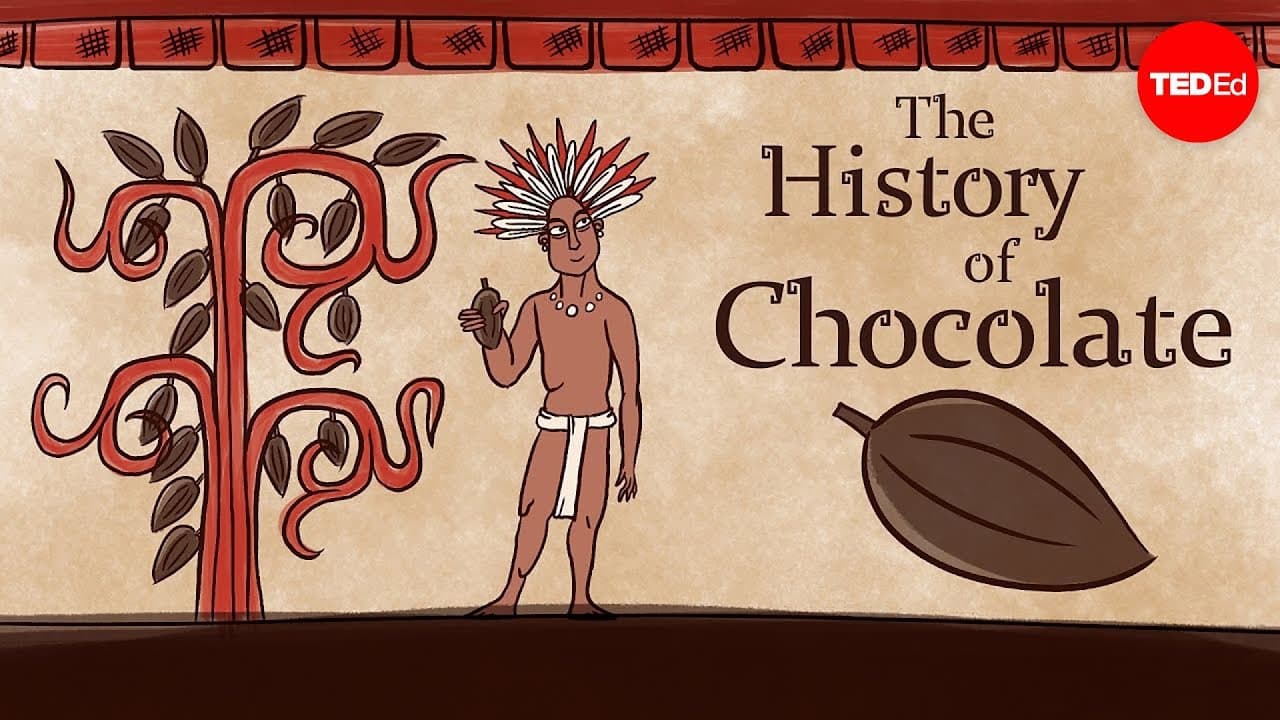
TL;DR
Chocolate originated in Mesoamerica as a bitter drink with significant cultural importance, especially among the Aztecs. While it evolved into a luxury item in Europe, the chocolate industry has a troubling history, marked by child and slave labor in cocoa production, particularly in West Africa, where over two million children are estimated to be affected.
Transcript
If you can't imagine life without chocolate, you're lucky you weren't born before the 16th century. Until then, chocolate only existed in Mesoamerica in a form quite different from what we know. As far back as 1900 BCE, the people of that region had learned to prepare the beans of the native cacao tree. The earliest records tell us the beans were ... Read More
Key Insights
- 💝 Chocolate originated in Mesoamerica as a bitter drink and had cultural and religious significance for the Aztecs.
- 🌍 It became a luxury item in Europe and was associated with aristocracy and decadence.
- 💝 The production of chocolate required plantations and imported slave labor in the Caribbean and Africa.
- 😑 The cocoa press and the addition of milk revolutionized the chocolate industry.
- 💝 Chocolate became a popular treat for the public in the 20th century.
- 👶 Industrial-scale cocoa production shifted to West Africa, with significant issues of child and slave labor.
- 😀 Major chocolate companies have made efforts to address these labor practices but face ongoing challenges.
Install to Summarize YouTube Videos and Get Transcripts
Explore YouTube Video Summarizer or Get YouTube Transcript Extractor
Questions & Answers
Q: How was chocolate consumed in Mesoamerica?
In Mesoamerica, chocolate was primarily consumed as a bitter drink mixed with cornmeal and chili peppers, not as the sweet and creamy treat we know today.
Q: How did chocolate become popular in Europe?
After Hernán Cortés's visit to Tenochtitlan, chocolate was brought back to Europe and sweetened with honey, sugar, or vanilla, making it a popular delicacy in the Spanish court.
Q: What were the significant inventions that shaped the chocolate industry?
The cocoa press introduced in 1828 allowed the separation of cocoa's natural fat, leading to the creation of solid chocolate. Later, powdered milk was added by a Swiss chocolatier, inventing milk chocolate.
Q: What are the current issues in the cocoa industry?
Child and slave labor are prevalent in many cocoa plantations in West Africa, including those supplying major chocolate companies. Despite efforts to reduce these practices, the problem persists.
Key Insights:
- Chocolate originated in Mesoamerica as a bitter drink and had cultural and religious significance for the Aztecs.
- It became a luxury item in Europe and was associated with aristocracy and decadence.
- The production of chocolate required plantations and imported slave labor in the Caribbean and Africa.
- The cocoa press and the addition of milk revolutionized the chocolate industry.
- Chocolate became a popular treat for the public in the 20th century.
- Industrial-scale cocoa production shifted to West Africa, with significant issues of child and slave labor.
- Major chocolate companies have made efforts to address these labor practices but face ongoing challenges.
- Despite its indulgent image, the dark history of chocolate includes connections to colonization, exploitation, and human rights abuses.
Summary
This video explores the history of chocolate, starting from its origins in Mesoamerica to its transformation into the popular treat we know today. It discusses the cultural significance of chocolate to the Mesoamericans, its introduction to European society, the industrial advancements that made chocolate accessible to the masses, and the dark side of the chocolate industry involving human rights abuses in West Africa. The video concludes by urging viewers to reflect on the complex history and production of chocolate.
Questions & Answers
Q: How was chocolate prepared in Mesoamerica?
As far back as 1900 BCE, the people of Mesoamerica prepared chocolate by grinding cacao beans and mixing them with cornmeal and chili peppers. This resulted in a bitter and invigorating drink, which was believed to be a heavenly food gifted to humans by the feathered serpent god.
Q: How did the Mesoamericans view chocolate?
The Mesoamericans revered chocolate, believing it to be a sacred food. They associated it with deities such as Kukulkan and Quetzalcoatl and valued cacao beans as currency. Chocolate was not only consumed but also used in rituals and given as rewards to successful soldiers.
Q: When was chocolate introduced to Europe?
The first transatlantic chocolate encounter occurred in 1519 when Hernán Cortés visited the court of Moctezuma in Tenochtitlan. The Aztec king had 50 jugs of chocolate brought out and served in golden cups. The colonists later brought the chocolate bean back to Europe.
Q: How did chocolate become popular in Europe?
Chocolate initially had a bitter taste, making it suitable for medicinal purposes like treating upset stomachs. However, its appeal grew when honey, sugar, or vanilla were used to sweeten it. Soon, chocolate became a popular delicacy in the Spanish court, leading to its widespread popularity in Europe.
Q: What advancements revolutionized the chocolate industry?
In 1828, Coenraad van Houten of Amsterdam introduced the cocoa press, which could separate the cocoa's natural fat, cocoa butter. This innovation allowed for the creation of a powder that could be mixed into a drink or recombined with cocoa butter to produce solid chocolate. Additionally, in the late 19th century, Daniel Peter invented milk chocolate by adding powdered milk to the mixture.
Q: How did the production of chocolate change over time?
By the 20th century, chocolate ceased to be an elite luxury and became a treat for the general public. Meeting the rising demand required increased cultivation of cocoa, which primarily occurred in West Africa, particularly Cote d'Ivoire. This shift led to the use of slave and child labor on many plantations, causing significant human rights abuses.
Q: How prevalent is child and slave labor in the chocolate industry?
Many cocoa plantations in West Africa, which supply Western companies, employ slave and child labor. There are estimations of over 2 million children affected by these labor practices. Despite efforts from major chocolate companies to address this issue, it remains a persistent problem in the industry.
Q: What is the cultural association of chocolate today?
Chocolate retains an aura of sensuality, decadence, and forbidden indulgence in modern culture. This association is partly influenced by its historical connection with native cultures and the power of advertising.
Q: What does understanding the history and production of chocolate reveal?
Understanding the history and production of chocolate allows us to recognize the origins of the associations we have with chocolate and the hidden complexities behind it. It prompts reflection on the not-so-sweet aspects of the chocolate industry.
Takeaways
Chocolate's history is rooted in Mesoamerica, where it held cultural and religious significance. The introduction of chocolate to Europe led to its transformation into a popular delicacy. Industrial advancements, including the cocoa press and the invention of milk chocolate, made chocolate more accessible. However, the growth of the chocolate industry has been marred by human rights abuses, particularly involving child and slave labor in West Africa. Recognizing the complex history and production of chocolate encourages a deeper understanding of its cultural associations and the ethical considerations surrounding its consumption.
Summary & Key Takeaways
-
Chocolate has a long history and was initially consumed as a bitter drink mixed with cornmeal and chili peppers in Mesoamerica.
-
The Aztecs used cacao beans as currency, drank chocolate at royal feasts, and believed it was a gift from a god.
-
The introduction of cocoa press and powdered milk led to the creation of solid and milk chocolate, respectively. However, the cocoa industry faces issues of child and slave labor in West Africa.
Read in Other Languages (beta)
Share This Summary 📚
Summarize YouTube Videos and Get Video Transcripts with 1-Click
Try YouTube Summary with ChatGPT & Claude or YouTube Transcript Generator
Explore More Summaries from TED-Ed 📚






Summarize YouTube Videos and Get Video Transcripts with 1-Click
Try YouTube Summary with ChatGPT & Claude or YouTube Transcript Generator