How Did Marathon Change the Persian Invasion
TL;DR
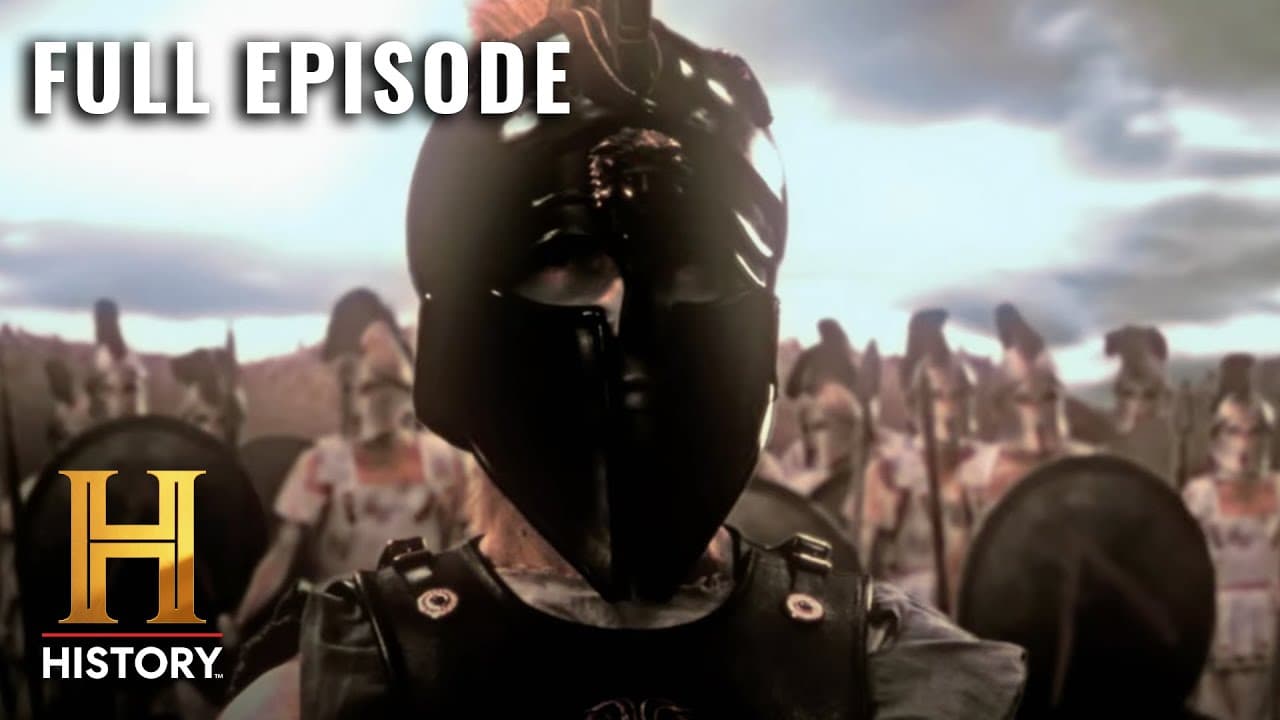
Miltiades leads about 10,000 Athenians to meet a far larger Persian force at Marathon, choosing battle over retreat. The decision hinges on democracy and strategic risk, with victory stopping a direct threat to Athens and shaping Greek resolve, while exposing the Persians to a costly setback. The campaign sets a lasting precedent for Greek unity against a common foe.
Transcript
NARRATOR: On the narrow plane of Marathon in Eastern Greece, a battle rages that will alter the course of Western civilization. On one side, the army of the Persian empire, the most powerful fighting force in the world. On the other side, the army of Athens, half its size, led by the famed Greek general Miltiades. This is a battle of military brill... Read More
Key Insights
- Marathon is the chosen battlefield despite the Athenians being outnumbered
- Miltiades unites the Athenian army and drives them to Marathon
- The council resolves the fate of Athens through a tie-breaking vote
- Persian cavalry and archers complicate the Greek defense
- Miltiades leverages a strategic plan to maximize terrain advantage
- Athenian democracy extends to military command and decisions
- The battle stalls the Persian invasion and boosts Greek resolve
- The event foreshadows later Greek cooperation against common threats
- More videos from this channel:
- More from this channel: HISTORY
Install to Summarize YouTube Videos and Get Transcripts
Explore YouTube Video Summarizer or Get YouTube Transcript Extractor
Questions & Answers
Q: What caused the Athenians to choose to fight at Marathon
The Athenians faced a dilemma about whether to defend Athens behind its walls or meet the Persians on the field. Miltiades argued that open battle could preserve democracy and prevent factional collapse, appealing to the ceremonial polemarch Callimachus to cast the deciding vote. The result was a decision to attack, driven by a desire to defend Athens and deter the invaders.
Q: Who led the Athenians at Marathon and what was their advantage
Miltiades led roughly 10,000 Athenians and chose to march east to the plains of Marathon. His leadership capitalized on the Athenians’ willingness to take strategic risks and the advantages of open terrain. Despite being outnumbered, the decision to engage aimed to disrupt Persian command and exploit a potentially vulnerable flank through tactical deployment.
Q: What were the Persian invasion goals at Marathon
The Persian goal was total destruction of Athens, and they aimed to land forcefully at Marathon to march on the city from the land route. By choosing a ground assault east of Athens rather than a direct sea attack on the walls, they sought to overwhelm Athens with a combined land and sea threat, leveraging their superior numbers and cavalry.
Q: Why is Marathon considered a turning point in ancient history
Marathon is a turning point because a smaller Greek alliance halted a much larger Persian force, stopping a potential collapse of Athens and demonstrating the effectiveness of disciplined infantry and strategic terrain use. The victory reinforced Greek confidence, shaped future alliances, and contributed to the development of Western political and military ideas.
Q: What role did the Earth and Water demand play in the events leading to Marathon
The Earth and Water demand was a Persian condition for envoys from Athens, implying that accepting would signify submission and loss of Athens as a Persian colony. Misunderstanding that pledge influenced Greek diplomacy, contributing to misaligned expectations and ultimately to Athens taking a stand against Persian demands by pursuing military action.
Q: How did Miltiades structure his battle plan at Marathon
Miltiades reorganized lines to maximize pressure against the Persian force while compensating for numerical inferiority. He sought to create a decisive engagement by compelling the Persian army to commit to a ground fight where Greek hoplite tactics and disciplined formation could maximize impact, breaking through Persian lines and causing disarray in their ranks.
Q: What was the immediate military significance of the Marathon victory
The immediate significance was to stop the Persian advance toward Athens and demonstrate that the Athenians could prevail against overwhelming odds on open ground. It preserved Athens as a political center, encouraged Greek unity, and shaped the perception of Greek military capability which influenced subsequent Greek resistance against invasions.
Q: What broader historical themes emerge from Marathon according to the episode
The episode highlights how a city-state defends democracy, the interplay between leadership and popular decision making, and the strategic use of terrain and timing in warfare. It also frames Greek and Persian interactions within broader patterns of alliance, diplomacy, and the long-term shaping of Western civilization through military and political resilience.
Summary & Key Takeaways
-
The Marathon episode frames a pivotal clash where a numerically inferior Greek army confronts a vastly larger Persian force on open ground, highlighting leadership, strategy, and political stakes. The Athenians push for battle to defend democracy and deter invasion, despite high odds.
-
Miltiades plays a decisive role by persuading the council and directing a bold march to Marathon, turning a potential strategic disaster into a historic victory that changes perceptions of Greek military capability.
-
The aftermath emphasizes the broader historical context, including Greek and Persian military tactics, the role of diplomacy, and how the battle influenced subsequent Greek alliances and the shaping of Western civilization.
Read in Other Languages (beta)
Share This Summary 📚
Summarize YouTube Videos and Get Video Transcripts with 1-Click
Try YouTube Summary with ChatGPT & Claude or YouTube Transcript Generator
Explore More Summaries from HISTORY 📚


Summarize YouTube Videos and Get Video Transcripts with 1-Click
Try YouTube Summary with ChatGPT & Claude or YouTube Transcript Generator