What Are the Main Causes of Illness and Death Worldwide?
TL;DR
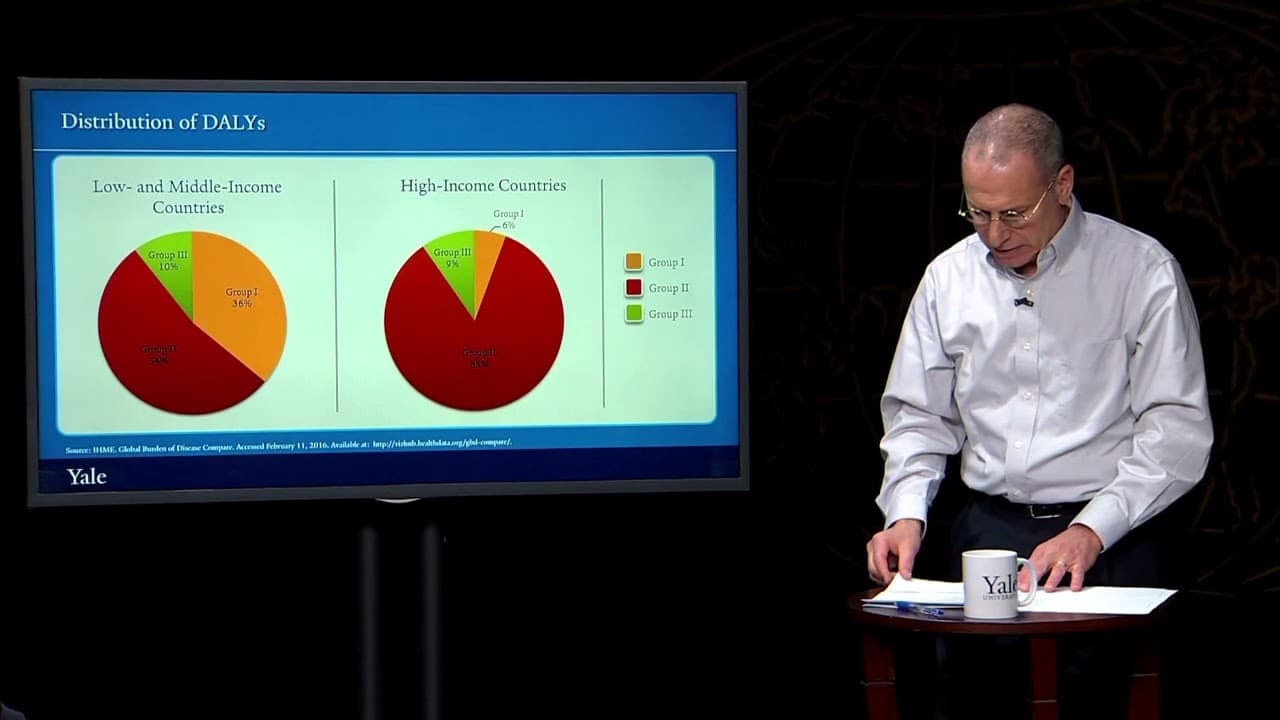
Globally, non-communicable diseases are the leading causes of illness and death, except in sub-Saharan Africa where communicable diseases remain prevalent. As countries develop, the shift from communicable to non-communicable diseases occurs, influenced by factors such as age, sex, and income levels, varying the burden of disease across different regions.
Transcript
welcome in this session we're going to explore what people get sick disabled and die from and how that varies across regions ages and sexes by the time this session ends you should be able to indicate the leading causes of death deaths and dallies for different regions of the world different age groups and different Sexes and you should be comforta... Read More
Key Insights
- 🌍 Non-communicable diseases are more prevalent as causes of death and disability worldwide, except in sub-Saharan Africa.
- 🚱 The burden of disease shifts from communicable to non-communicable diseases as countries develop.
- 🤕 The leading causes of death and disability vary by country income group, age, and sex.
- 🕵️♀️ Road traffic injuries are more common in males, while HIV/AIDS and depressive disorders are more significant causes of disability in females.
- 🤕 The burden of disease differs among different age groups, with communicable diseases being more prominent in children and certain non-communicable diseases increasing with age.
- 🌍 Malaria is more prevalent in sub-Saharan Africa compared to other regions.
Install to Summarize YouTube Videos and Get Transcripts
Explore YouTube Video Summarizer or Get YouTube Transcript Extractor
Questions & Answers
Q: What are the leading causes of death and disability in low and middle income countries compared to high income countries?
In low and middle income countries, lower respiratory infections, diarrheal diseases, tuberculosis, and HIV/AIDS are important causes of death. In high income countries, non-communicable diseases like ischemic heart disease and stroke are the leading causes of death.
Q: How does the burden of disease differ among different age groups?
In children aged zero to five, communicable diseases like lower respiratory infections and malaria are major causes of death. In adults aged 15-49, HIV/AIDS, tuberculosis, and self-harm contribute significantly to the burden of disease. In older adults aged 50-69, non-communicable diseases like ischemic heart disease and musculoskeletal problems become more prominent.
Q: What are the differences in the leading causes of death and disability between males and females in low and middle income countries?
Road traffic injuries are more common in males, while HIV/AIDS and depressive disorders are more significant causes of disability in females.
Q: How has the burden of disease changed over time?
There has been a global shift from communicable diseases to non-communicable diseases. Communicable diseases, such as lower respiratory infections and tuberculosis, have decreased, while non-communicable diseases like ischemic heart disease and stroke have increased.
Summary & Key Takeaways
-
Non-communicable diseases are the leading causes of death and disability worldwide, except in sub-Saharan Africa.
-
As countries develop, the burden of disease shifts from communicable to non-communicable diseases.
-
The leading causes of death and disability differ by country income group, age, and sex.
Read in Other Languages (beta)
Share This Summary 📚
Summarize YouTube Videos and Get Video Transcripts with 1-Click
Try YouTube Summary with ChatGPT & Claude or YouTube Transcript Generator
Explore More Summaries from YaleCourses 📚






Summarize YouTube Videos and Get Video Transcripts with 1-Click
Try YouTube Summary with ChatGPT & Claude or YouTube Transcript Generator