What Are Earth's Most Remote and Unusual Places?
TL;DR
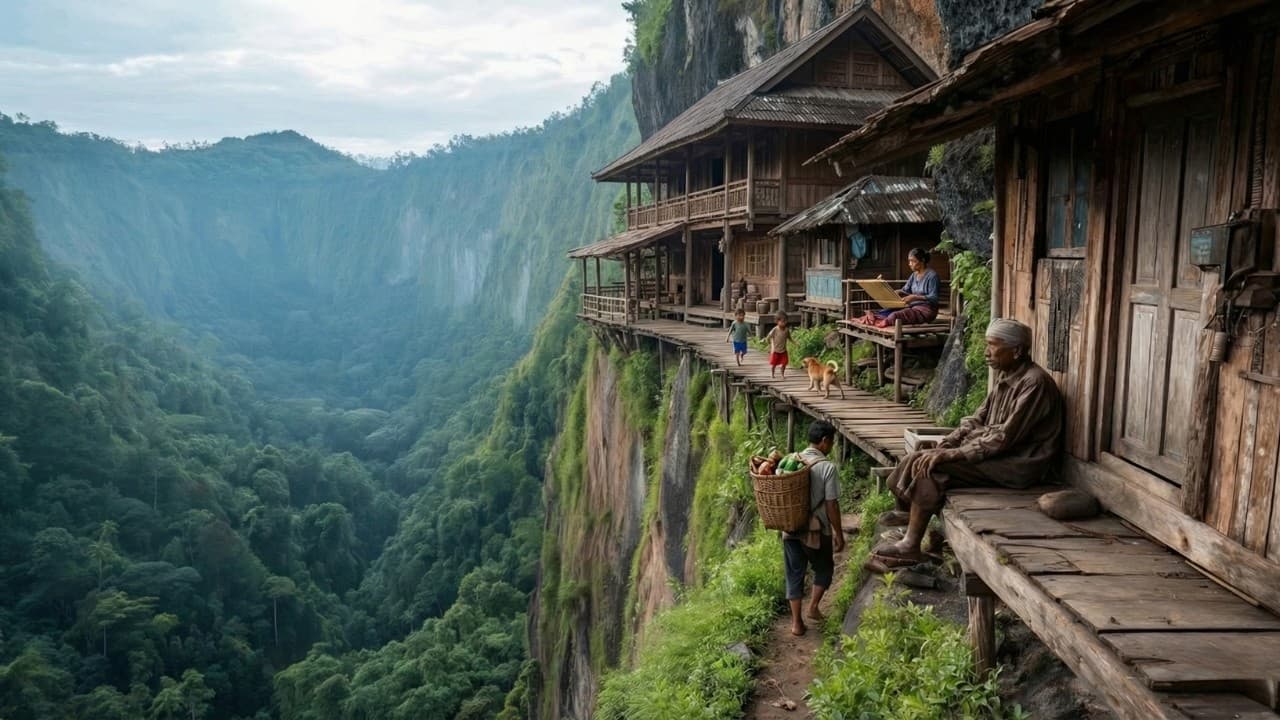
Earth's remotest landscapes reveal how isolation, erosion, volcanism, extreme weather, and human adaptation shape extraordinary environments. From Socotra's endemic plants and Meteora's cliff-top monasteries to Dallol's acidic pools and Ittoqqortoormiit’s Arctic settlement, these places preserve rare ecosystems, ancient geology, cultural traditions, and evidence of survival under severe conditions.
Transcript
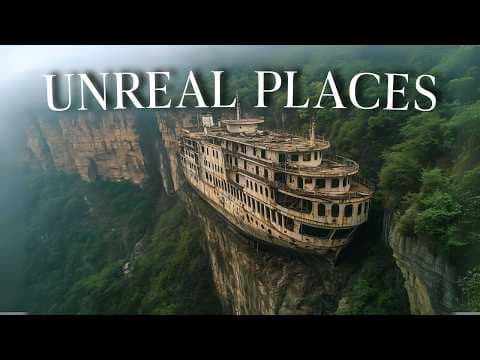
If I told you that Earth still holds places so remote that many people doubt they even exist, would you believe it? Today we explore 30 of the most isolated locations on the planet. landscapes almost completely separated from the modern world. They possess an unusual beauty that feels like a glimpse into a world beyond the edge of reality. Villages... Read More
Key Insights
- Schaefer Ridge is composed of limestone and metamorphic rocks more than 200 million years old. Its peaks exceed 8,000 feet, while Pleistocene glaciers, strong winds, melting ice, and natural collapses shaped steep serrated walls, broad boulder fields, and difficult habitat used by alpine ibex.
- Socotra is an isolated evolutionary center where nearly 40% of plant life occurs nowhere else on Earth. Ancient limestone and coral sediments underlie its dry highlands, while dragon's blood trees, seasonal winds, and unusually branched biological systems give the island its distinctive appearance and ecological importance.
- Meteora is a landscape of sandstone pillars rising from 300 to more than 600 feet. Wind and water shaped the formations over millions of years, and monks built monasteries on the cliffs during the 14th century, combining spiritual isolation, human architecture, and natural stone.
- The Transfăgărășan is a mountain road extending more than 90 kilometers across the Carpathians. It contains over 50 sharp turns, required over 6,000 tons of explosives to cut through ancient rock, and is frequently closed when winter snow and dense fog create unsafe travel conditions.
- Reflection Canyon is an S-shaped sandstone formation created by ancient rivers and millions of years of erosion. Its exposed Triassic and Jurassic layers are more than 190 million years old, while the absence of fresh water and harsh desert terrain make access a demanding endurance challenge.
- Whakaari, also called White Island, is New Zealand's most active marine volcano. Its crater exceeds one mile in width and releases toxic gas, while ash, black rock, chemical stains, boiling mud, fissures, steaming vents, mining ruins, and the deadly 2019 eruption demonstrate its continuing danger.
- Jigokudani Monkey Park is a protected volcanic valley where snow monkeys endure winter snow exceeding three feet. The monkeys soak in hot springs to remain warm and conserve energy, demonstrating an unusual behavioral adaptation among primates living at the northernmost latitude described in the documentary.
- Dallol is a depression about 427 feet below sea level with extreme heat, salinity, hydrogen sulfide, acidic pools, sulfur columns, salt crusts, and active vents. Visitors require convoy travel, safety guidance, and avoidance of direct mineral-water contact because the environment makes survival and access difficult.
Install to Summarize YouTube Videos and Get Transcripts
Explore YouTube Video Summarizer or Get YouTube Transcript Extractor
Questions & Answers
Q: What makes Socotra one of Earth's most unusual islands?
Socotra's long isolation has produced clearly branched biological systems and made the island an open-air laboratory of evolution. Nearly 40% of its plant life occurs nowhere else on Earth. Ancient limestone and coral sediments form its geology, while umbrella-shaped dragon's blood trees with red sap dominate dry highlands and symbolize its strange natural beauty.
Q: How were Meteora's rock pillars and monasteries formed?
Meteora's sandstone and conglomerate pillars were formed more than 60 million years ago and shaped by millions of years of wind and water erosion. Their material splits vertically, helping create columns that appear to float. During the 14th century, monks constructed monasteries on the cliff tops to live apart from society and pursue greater spiritual closeness to heaven.
Q: Why is the Transfăgărășan considered a difficult mountain road?
The Transfăgărășan crosses the Carpathian range for more than 90 kilometers and includes over 50 sharp turns clinging to steep mountainsides. Builders used over 6,000 tons of explosives to carve through ancient rock, and the construction caused hundreds of injuries and deaths. Heavy snow and thick fog frequently force complete winter closures because travel becomes unsafe.
Q: How difficult is it to reach Reflection Canyon?
Reaching Reflection Canyon requires walking dozens of miles across harsh desert terrain with no fresh water. The journey tests endurance and survival skills before visitors reach its S-shaped sandstone landscape. The canyon's colored rock layers date to the Triassic and Jurassic periods, more than 190 million years ago, and become especially visible when water levels fall.
Q: Why is Whakaari dangerous to visit?
Whakaari is an active marine volcano with a crater more than one mile wide that releases toxic gas. Its terrain continually develops boiling mud pools, new fissures, and steaming vents. A deadly eruption in 2019 killed and injured dozens, while ash, black rock, chemical stains, and abandoned sulfur-mining structures reflect both volcanic instability and earlier human activity.
Q: How do Jigokudani's snow monkeys survive severe winters?
Jigokudani's snow monkeys soak in volcanic hot springs to keep their bodies warm and conserve energy during winter. Snow can accumulate to more than three feet in the valley, creating conditions that few animals can tolerate. The park was founded in 1964 to protect these monkeys, described as the primates living at Earth's northernmost latitude.
Q: How does Aït Benhaddou's architecture handle desert conditions?
Aït Benhaddou uses clay, palmwood, and stone construction suited to severe desert conditions and large temperature changes between day and night. Solid-block houses remain cool during daylight and warm after dark without industrial materials. Ancient underground water channels supported residents, while narrow alleys, watchtowers, and hillside buildings created a defensible fortified settlement preserved across centuries.
Q: What makes Dallol an extreme geological environment?
Dallol lies about 427 feet below sea level and combines intense heat, extreme salinity, hydrogen sulfide, acidic pools, sulfur columns, salt crusts, and constantly active vents. Mineralization and evaporation repeatedly rebuild its colorful surface. Access generally requires a guided convoy across the desert, with minimal amenities, no phone signal, and strict avoidance of direct mineral-water contact.
Summary & Key Takeaways
-
Remote landscapes often preserve ancient geological records because their isolation limits modern development. Schaefer Ridge, Reflection Canyon, Staffa, Patagonia, and Nahanni contain rocks, canyons, basalt columns, fossils, or mineral formations shaped across millions of years by glaciers, rivers, volcanic activity, erosion, tectonic uplift, hot springs, wind, and water.
-
Isolation also produces distinctive biological and human adaptations. Socotra supports plant life found nowhere else, snow monkeys use Jigokudani's hot springs during deep winter, and Ittoqqortoormiit’s residents maintain life beside frozen seas. Aït Benhaddou demonstrates how traditional clay architecture and underground water channels support settlement within severe desert conditions.
-
Some remote destinations remain dangerous or difficult to reach. Whakaari contains toxic gas, unstable vents, and a history of deadly eruption, while Dallol combines heat, salinity, hydrogen sulfide, and acidic pools. Reflection Canyon requires a long desert walk without fresh water, and Nahanni remains roadless, preserving an exceptionally secluded wilderness ecosystem.
Read in Other Languages (beta)
Share This Summary 📚
Summarize YouTube Videos and Get Video Transcripts with 1-Click
Try YouTube Summary with ChatGPT & Claude or YouTube Transcript Generator
Explore More Summaries from My Unreal Planet TV 📚

Summarize YouTube Videos and Get Video Transcripts with 1-Click
Try YouTube Summary with ChatGPT & Claude or YouTube Transcript Generator